Geneva arms conference weighs next steps on autonomous weapons
The Nov. 16–20 review conference will consider a path for talks. The central question is how people retain control over the use of force.
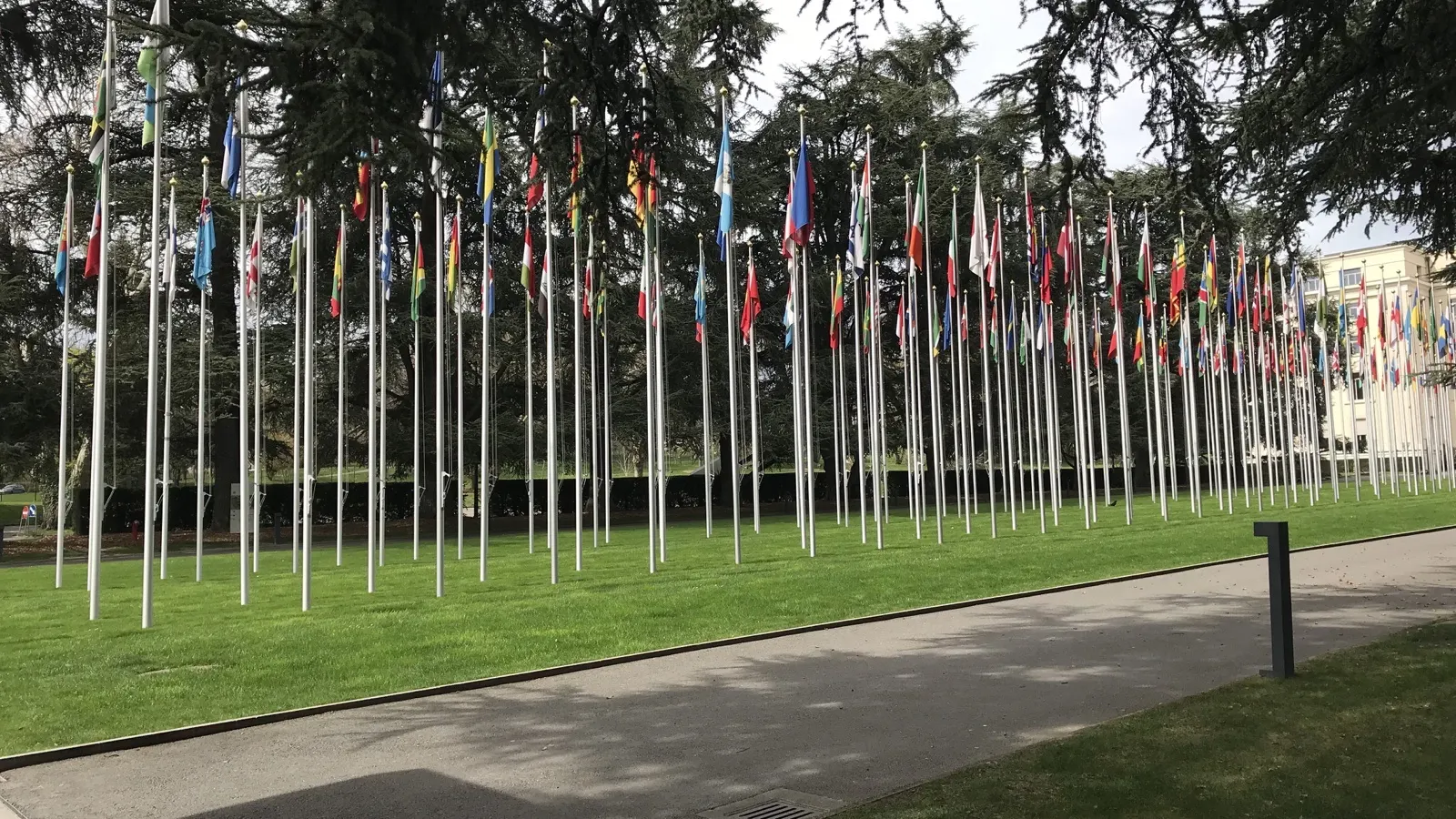
Delegates meeting in Geneva this week are considering what to do about weapons that can select and engage targets after a person activates them. The United Nations’ review conference opened Monday, Nov. 16, and is scheduled to run through Friday. A question for the meeting is whether governments will agree on a mandate that moves discussions toward new rules on autonomous weapons.
The meeting is a review of the Convention on Certain Conventional Weapons, a framework governments use to address harms associated with particular types of weapons. The conference has a broader agenda. On autonomy, the disagreement centers on what decisions people should retain when a system is designed to react to conditions in the field.
Where the question of human control arises
A person can decide when and where to switch on a weapon, and software can still make choices about what it engages afterward. In its explanation of autonomous systems, the International Committee of the Red Cross focuses on what happens after activation. In that account, a system responds to information from its sensors and can select and engage a target based on a profile rather than a human picking the particular target at that moment.
One hypothetical shows why the distinction matters. Imagine a system activated in a defined area when an operator expects only military vehicles to be present. Civilians later move through the area. The legal and operational questions include how the system distinguishes targets, whether the person supervising it can see that conditions changed, and how quickly that person can stop an engagement. Those questions concern the design of the weapon and the conditions in which it can be used.
Human control can also involve limits set before activation. The operator might restrict where the system operates, how long it stays active and which kinds of targets it is allowed to engage. A separate question is what supervision is possible once it is active. The harder it is to predict how a system will respond to conditions, the more those restrictions matter to a discussion about civilian protection.
What a decision this week could do
The Red Cross’s recommendations for the conference call for moving toward a legally binding instrument. Its existing position calls for prohibiting unpredictable autonomous weapons and systems designed or used to apply force against people, with restrictions on other uses. Those proposals are the organization’s position. Governments decide what instructions, if any, to give to the next phase of talks.
The Associated Press reported Monday that delegates were weighing whether to begin negotiations on rules. An agreement to continue discussions would keep the subject in front of governments. A negotiating mandate would go further by setting work for delegates to do and may identify a deadline or a type of instrument. Adoption of final text would be a later milestone with its own decisions about what the rules cover and how they take effect.
The United Nations conference notice says delegates are expected to consider a set of elements for a possible instrument and to decide the mandate and how future work will proceed. Elements are building blocks for discussions. They can identify areas of agreement or narrow the remaining questions even while the final language is open. A negotiating mandate can turn those elements into instructions for a next meeting.
What to look for in the outcome document
Look first for the verbs delegates use. A decision could request more expert work, instruct states to draft a text, or establish dates for negotiations. Then check whether the mandate identifies the types of systems it covers and how it refers to human control. That wording will help establish whether the conference moved the debate forward procedurally and which questions governments are leaving to later meetings.
This week’s most useful record will be the meeting’s official outcome, read alongside positions from individual delegations. That is where readers can check which commitments countries agreed to pursue and how long they expect that work to take. Follow Newsmerica’s Politics desk for international policy coverage.
Trust & transparency
How we handled this story
Checked the UN Geneva event record, ICRC Nov. 13 recommendations and independent Nov. 16 AP coverage. Any mandate or formal outcome remains subject to conference decisions.

Grounded in this reporting
Ask Newsmerica
Ask about this article. Answers quote the closest published passages and link back to their sources.
This tool retrieves article passages; it does not add outside facts.Keep exploring