Trump joked Thailand got the better deal. What did the leaders sign?
Trump teased Thai Prime Minister Anutin at the ASEAN dinner. The signed statement records progress toward a trade deal and sets out the next steps.
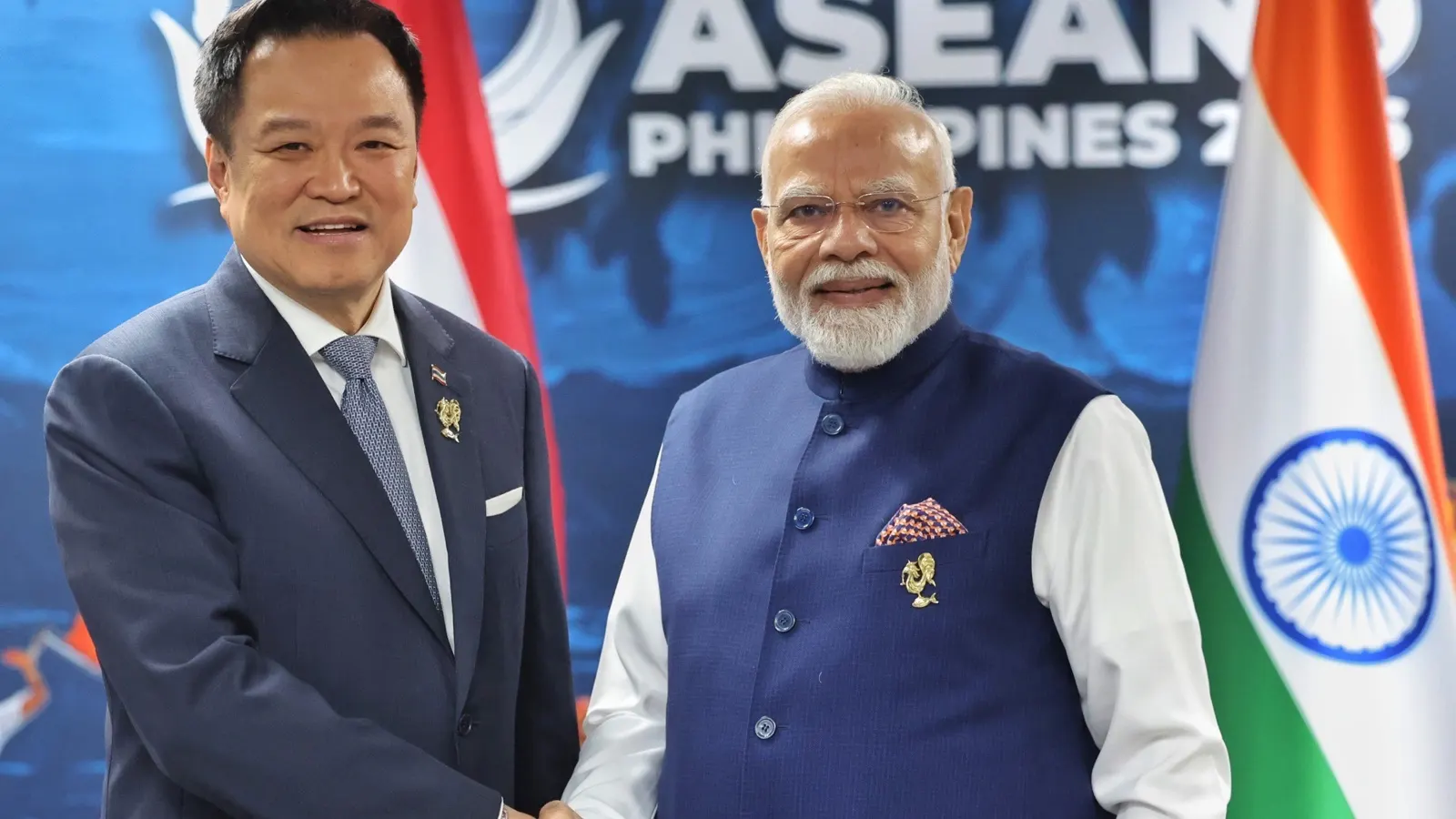
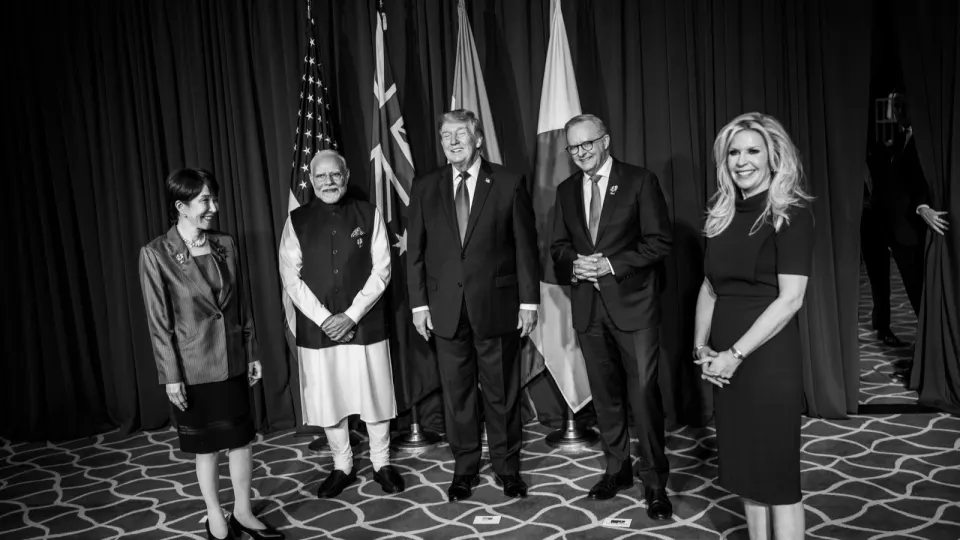
President Donald Trump joked at a U.S.–ASEAN dinner in Manila that Thailand’s prime minister had outnegotiated him on trade. “He made a much better deal than I did,” Trump said after asking Prime Minister Anutin Charnvirakul to stand. The White House’s dinner recording and the transcript of Trump’s remarks place the joke shortly after the two leaders signed a statement on the status of their negotiations.
The document they signed on Nov. 17 records an important step toward a reciprocal trade agreement. The joint statement published by the White House says the countries had reached substantial conclusion in negotiations and would begin the internal work required to prepare the agreement for signature and entry into force. Thailand’s government account of the signing describes the same sequence.
What Trump and Anutin signed in Manila
The ceremony marked the leaders’ endorsement of the negotiating progress. The signed statement is short. It identifies the planned agreement by name, places it in the history of U.S.–Thai trade relations and sets out the next steps. The governments say they will complete their respective internal procedures ahead of signing the agreement itself and bringing it into force.
That sequence explains why different descriptions appeared within hours of the ceremony. At dinner Trump used the shorthand of having signed a deal. At the signing, Reuters reported that he spoke about what the agreement would do once it was complete. The written statement allows readers to distinguish the event already on the calendar, the signing of the joint statement, from the future milestones that will determine when the agreement applies.
What the 2025 framework proposed
The countries had announced a negotiating framework in October 2025. The U.S. trade representative said then that Thailand would eliminate tariffs on 99% of goods, covering a range of U.S. industrial and agricultural products. The framework described a U.S. reciprocal tariff rate of 19% for imports from Thailand, with certain products to be identified for a zero reciprocal rate. Those numbers describe the framework published in 2025. The Nov. 17 statement contains no tariff schedule or effective date.
The percentages also describe different things. The 99% figure describes the breadth of proposed Thai tariff elimination. The 19% figure is a proposed U.S. duty rate on covered imports from Thailand in the framework. Comparing them as if both were duty rates would give readers the wrong impression. An actual cost comparison needs the duty on a particular product, whether an exception applies and the date any change takes effect.
The framework also discussed accepting some U.S. regulatory documentation for medical products and addressing barriers facing U.S. food and agricultural exports. Those provisions matter to exporters because approval requirements can affect whether a firm can enter a market, in addition to the price it pays at the border. Their practical value depends on the final wording and how officials implement it.
The trade figures behind the negotiations
The Census Bureau’s goods trade tables put the negotiations in perspective. In 2025 the United States recorded about $91.3 billion in goods imports from Thailand and $19.6 billion in goods exports to Thailand. Imports were approximately 4.7 times exports, using the unrounded Census totals of $91.2553 billion and $19.5885 billion. In 2024 the ratio was closer to 3.5 to 1, based on $62.9553 billion in imports and $17.9065 billion in exports. These are dollar values for merchandise over a full calendar year. They show how the balance of goods trade shifted before the Manila statement, without assigning the change to any one tariff policy.
The U.S. trade representative’s country profile includes services as well. Its broader totals answer a different question, because they combine goods with services sold across borders. A company estimating a duty on a shipment needs a product-level tariff schedule rather than either countrywide total. The U.S. International Trade Commission’s tariff schedule is the published starting point for checking how an imported product is classified and which rate or additional provision applies.
What importers and exporters should look for next
The White House’s Nov. 18 fact sheet described the Thailand negotiations alongside other announcements from Trump’s Asia trip. For a business planning shipments between the United States and Thailand, the documents to watch are the final agreement, the product schedules and the official implementation instructions. Product classification and origin rules can affect whether a shipment qualifies for a particular tariff rate.
The joint statement cites a 1966 treaty and a 2002 trade and investment framework as earlier foundations for the relationship. The agreement under negotiation would be the next item in that timeline. The dinner joke gives readers a memorable moment from Manila. The signed text gives them the concrete milestone and the next documents to look for.
Trump continued to China after the Manila meetings. Newsmerica’s coverage of the Shenzhen summit tracks what emerged from his separate talks with Xi Jinping and Vladimir Putin.
Trust & transparency
How we handled this story
Checked the dinner recording and transcript against the signed joint statement, Thai government account, Reuters and the 2025 trade framework. Prior negotiating terms are clearly attributed and dated.

Grounded in this reporting
Ask Newsmerica
Ask about this article. Answers quote the closest published passages and link back to their sources.
This tool retrieves article passages; it does not add outside facts.Keep exploring