Trump touted Quad minerals deals in Manila. Here’s what the records show
Trump touted critical minerals deals at the Quad summit. The $20 billion financing target and USGS import figures show what the partners are trying to change.
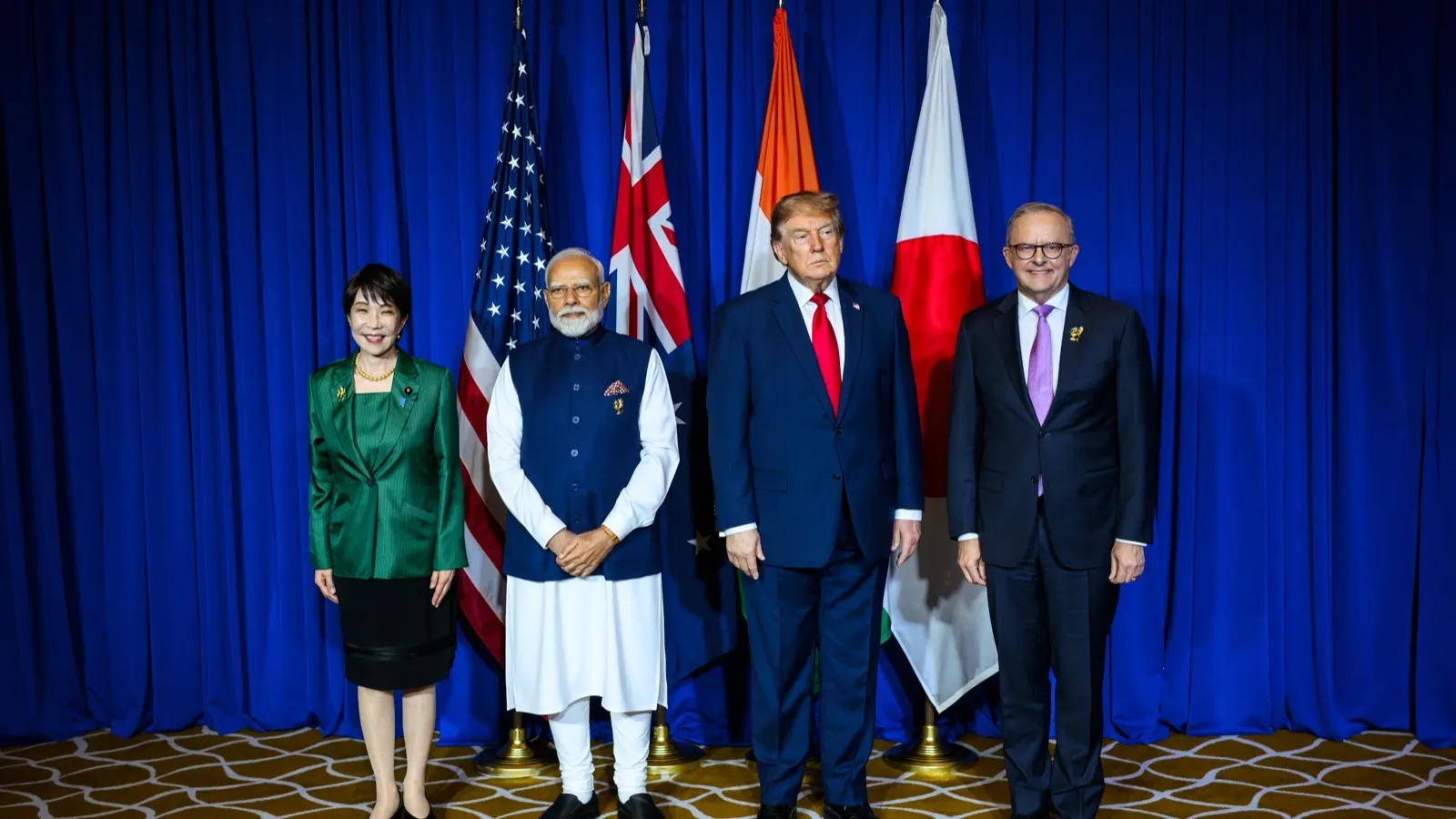
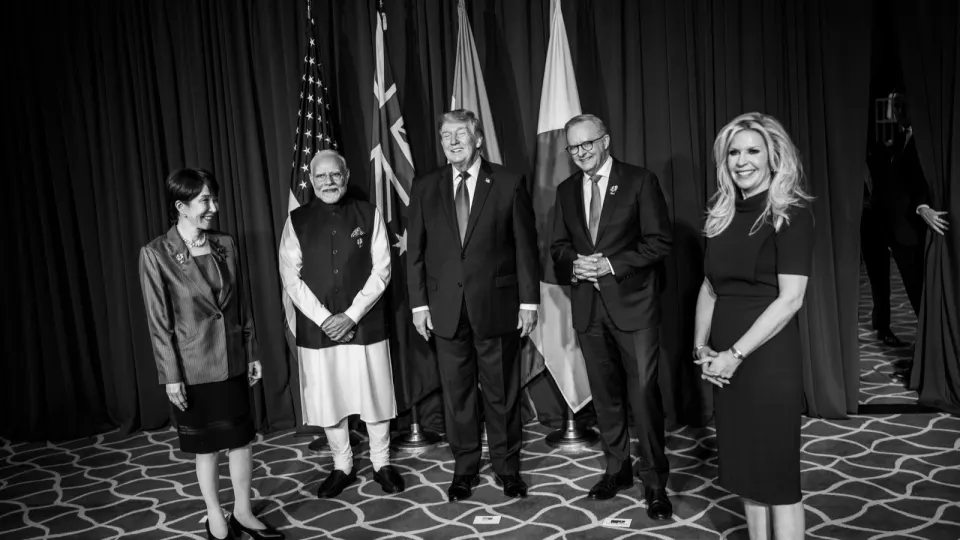
President Donald Trump told the leaders of Australia, India and Japan in Manila on Nov. 17 that new critical-mineral deals could reduce reliance on any one foreign supplier. The opening remarks put mineral supply chains at the center of his pitch to the Quad, the four-country grouping that also includes the United States.
The public documents give businesses a clearer picture of what follows. The leaders announced a business forum for early 2027. Japan’s account confirmed continued minerals cooperation. A framework issued in May explains how the four countries hope to finance projects. The November statement leaves the individual awards, timetables and changes in physical supply to future announcements.
What the four leaders announced in Manila
Trump met with Australian Prime Minister Anthony Albanese, Indian Prime Minister Narendra Modi and Japanese Prime Minister Sanae Takaichi. Their joint release warned about arbitrary export restrictions and scheduled the first Quad Business Leaders’ Forum for early 2027. The forum is meant to bring officials, businesses and policy specialists together to discuss commercial partnerships.
Japan’s account of the meeting says the leaders agreed to work together on the resilience of critical-mineral supply chains and on energy security. Read together, the records show a statement of shared priorities and a venue for future business discussions. The releases give readers no signed supply contract or delivery date for a named minerals project.
Where the $20 billion figure comes from
The Quad’s May 26 critical-minerals framework, published by Australia, sets out an ambition to mobilize up to $20 billion in government and private support through existing and new efforts. It covers mining, processing and recycling. The framework identifies possible tools ranging from loans and guarantees to private capital and purchase commitments.
The words “up to” matter. The figure is an upper target for mobilizing support across different mechanisms. The framework includes no line-by-line allocation of that full amount to projects. A buyer looking for a new source of material would need confirmation of a project’s financing, processing capacity and delivery terms. A government guarantee and a private purchase contract can both help a project proceed, but each answers a different business question.
Why the stage of production matters
The U.S. Geological Survey’s 2026 rare-earths summary shows how concentrated one relevant market was. It identifies China as the reported origin of 71% of U.S. imports of rare-earth compounds and metals over 2021–24. The percentage refers to those imported compounds and metals over that period. It does not represent all U.S. mineral consumption.
Ore from a new mine needs processing before it can replace many of those imports. A project that changes the country of extraction may still rely on a processor elsewhere. A new processing plant or a recycling agreement can change exposure at a different point in the chain. That is why the Quad framework covers both the source of the raw material and the stages that turn it into a product manufacturers can use.
Three measures that can move independently
The same USGS report estimates U.S. net import reliance at 67% of apparent consumption of rare-earth compounds and metals in 2025, compared with 53% in 2024. That series asks how much U.S. demand, as measured by apparent consumption, depends on net imports. The 71% figure answers a separate question about where imports came from over several years. A country can buy imports from a wider group of suppliers and still rely heavily on imports overall.
The geological survey also says some compounds and metals imported from Malaysia, Japan and Estonia were made with concentrates or intermediate materials from Australia, China and other countries. That is a third part of the picture. A customs record can identify where a product arrived from. Knowing which refinery made it and where that refinery obtained its inputs takes additional evidence. Tracking all three questions helps show whether a deal has reduced dependence at the part of the supply chain the buyer cares about.
What a funded project would add to the announcement
The May framework points to tools that address different barriers. A lender’s guarantee can help a plant secure financing. An agreement to buy some of its output can help show that the plant has a customer. A recycling project can bring material back into the supply chain through a different route from opening a new mine. Projects can use more than one of these tools, so announced financing figures need context before anyone adds them up.
Consider a manufacturer that buys processed material for magnets. The announcement that matters to its procurement team would identify a supplier, a grade of material and a reliable delivery window. A mining project may eventually help. The manufacturer still needs a processing or production agreement that delivers something it can use. That distinction is one reason the Quad’s framework includes processing and recycling along with extraction.
The November meeting sets up a place for those discussions. The forum announcement is a date range and an invitation to cooperate. A subsequent disclosure that identifies a financing institution, a named plant, or a buyer committed to taking output would tell readers more about whether a deal is moving toward delivery.
What to watch after Manila
For a measurable change, look for a named project, its financing, the country where the material will be processed and an expected date for deliveries. The early-2027 forum is the next window identified in the leaders’ statement for businesses to discuss partnerships. Actual changes in import dependence will take time to appear in trade data. The USGS series gives readers a baseline to compare with later figures.
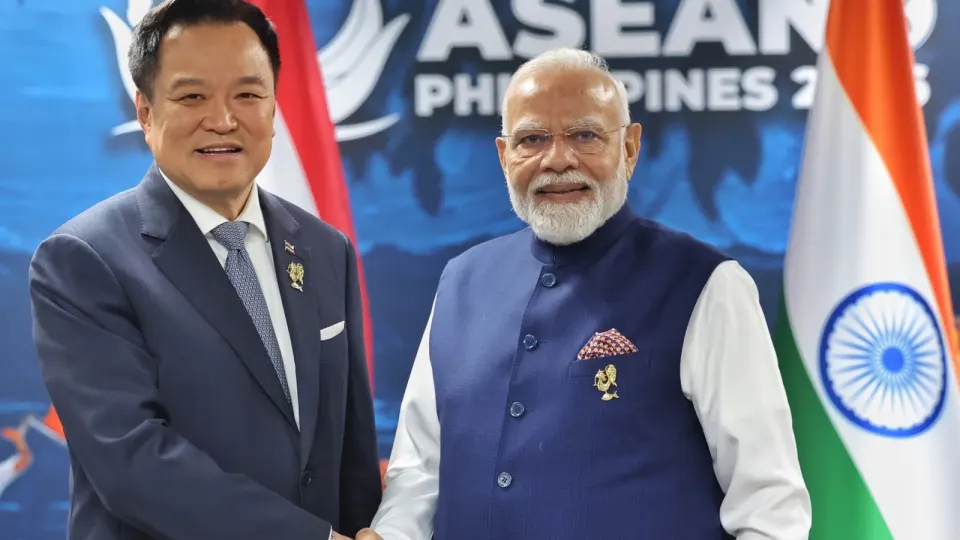
The Quad meeting came during a trip that also included the separate U.S.–Thailand trade announcement and Trump’s meeting with Xi and Putin in Shenzhen.
Trust & transparency
How we handled this story
Compared Trump’s remarks with the Manila joint release, the May 26 Quad framework, Japan’s account, and the U.S. Geological Survey’s rare-earths import-origin and net import reliance series.

Grounded in this reporting
Ask Newsmerica
Ask about this article. Answers quote the closest published passages and link back to their sources.
This tool retrieves article passages; it does not add outside facts.Keep exploring