Trump joked about MacArthur’s gold baton at a Manila lunch. Here’s the history
Trump joked about MacArthur’s gold baton at a Manila luncheon. Quezon’s 1935 order and U.S. trade data put the remark and the visit in context.
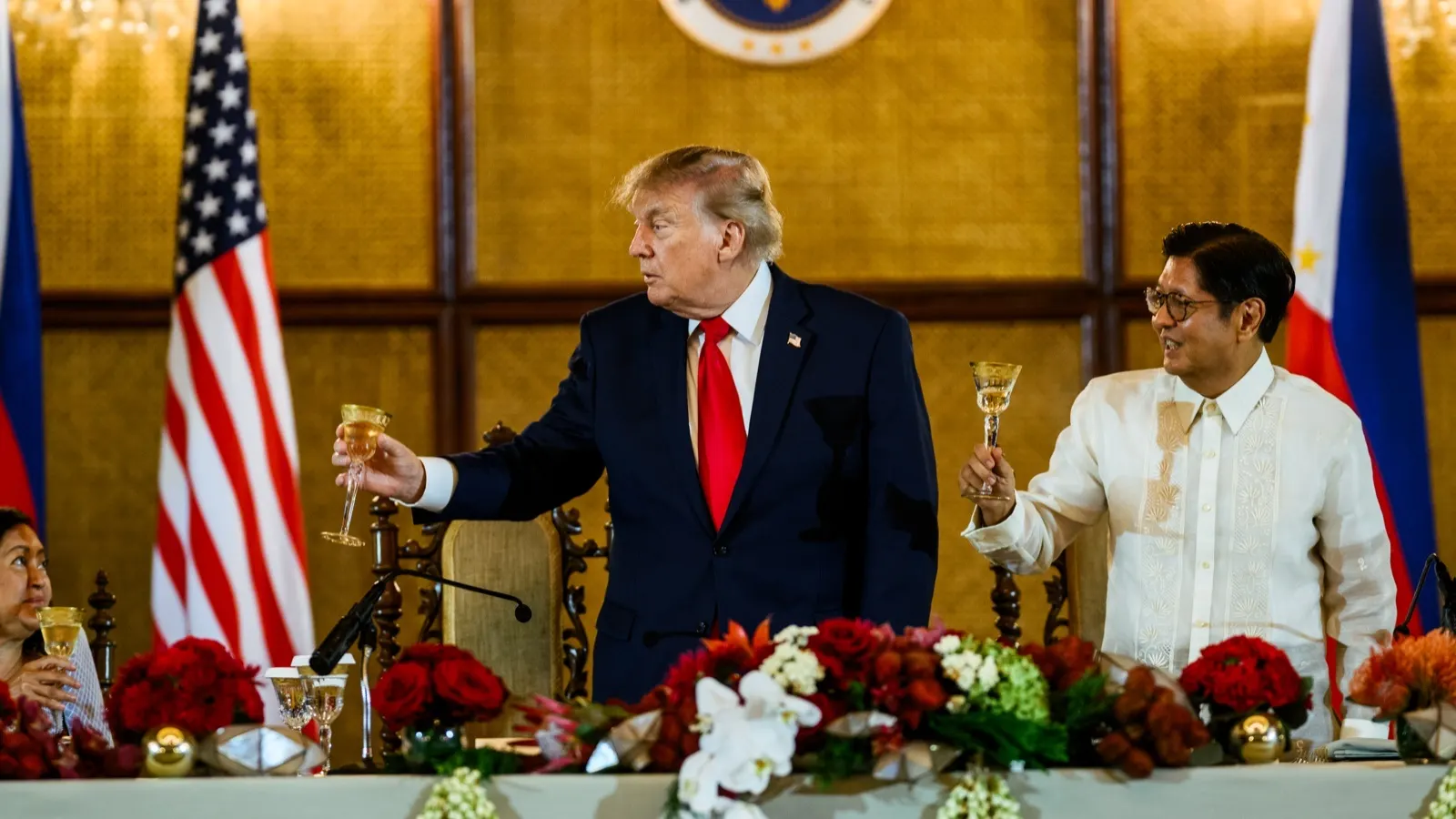
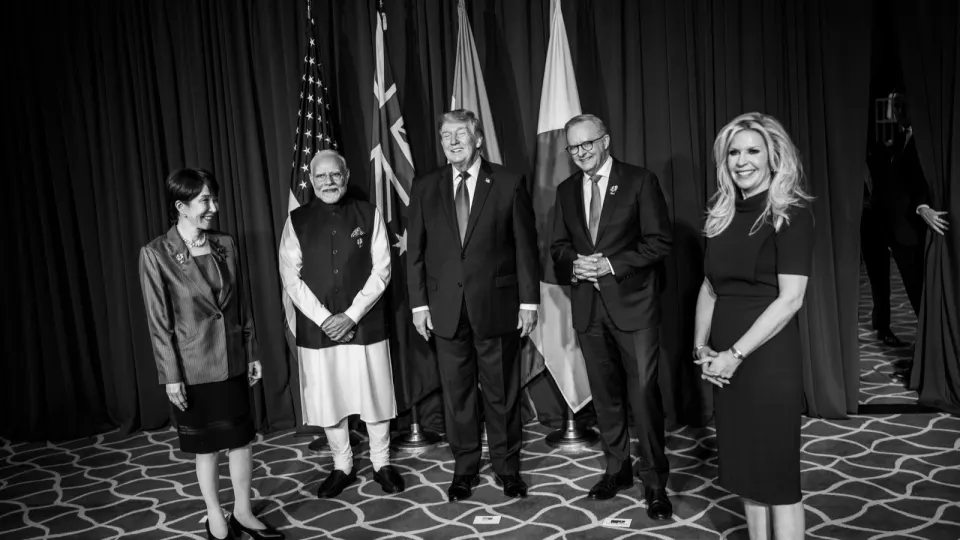
President Donald Trump drew laughter at a Nov. 18 luncheon in Manila after invoking a gold baton and the rank of field marshal that he said Philippine President Manuel L. Quezon had bestowed on Gen. Douglas MacArthur. Turning the historical reference into an aside for his host, President Ferdinand Marcos Jr., Trump said, “I’d like to have you do that to me, if you don’t mind.”
The line came during Trump’s toast at Malacañang Palace. A transcript of the luncheon records laughter after the line. The contemporaneous White House pool report also describes the MacArthur reference and Trump making an aside about receiving the honor. The pool report varies slightly on the wording of his follow-up. The first line above is from the transcript.
Who Quezon actually appointed
Quezon headed the Philippine Commonwealth when he appointed MacArthur its military adviser. The Nov. 16, 1935 executive order, preserved in the Philippine Supreme Court’s electronic library, records the appointment and creates a National Defense Council. The written record recounts the government’s decision about MacArthur’s responsibilities. It does not describe the palace ceremony or establish the details of the baton presentation.
The U.S. Army’s historical account describes MacArthur accepting the Philippine government’s request to help build its army and serving with the rank of field marshal. It places that assignment several years before the Pacific war. MacArthur later commanded U.S. Army Forces in the Far East. His Philippine rank and the American military posts he held were appointments under different governments.
That distinction helps explain the reference. Trump invoked Quezon’s Philippine decision at the country’s presidential palace. The 1935 order is a written appointment. At the 2026 luncheon, Trump made a joking request in the middle of a historical account. Neither the pool report nor the White House’s public summary of the visit announced an appointment or award for Trump.
What Trump and Marcos discussed at the visit
The pool report says Marcos spoke before Trump and marked 80 years of diplomatic relations. Both leaders offered toasts. Trump praised the Philippines and discussed the countries’ trade relationship. The White House photo record documents the luncheon separately from the arrival ceremony and the bilateral meeting that took place beforehand.
The administration’s fact sheet described commitments to increase Philippine imports of U.S. energy and agricultural products. Those are the stated trade objectives. Whether purchases rise can be tracked in later customs and trade figures. Trump’s historical aside provides context for the tone of the visit, while the fact sheet records the commitments the White House says were made.
Why Marcos marked 80 years of diplomatic relations
MacArthur’s appointment came in 1935, during the Commonwealth period. The U.S. State Department’s Office of the Historian dates formal diplomatic relations to July 4, 1946. On that day the United States recognized Philippine independence and Ambassador Paul V. McNutt presented his credentials. Those dates explain why the historical appointment Trump cited predates the anniversary Marcos marked at the same luncheon.
The documents also show what can be established about each moment. Quezon’s order records a government appointment and establishes the defense council that would advise the Commonwealth. The State Department history identifies the later establishment of diplomatic relations between independent governments. The 2026 transcript and pool notes document a toast and laughter. They offer evidence of what was said in the room, rather than a new written decision about an appointment.
The trade numbers behind the modern visit
The administration’s promise to work toward eliminating the U.S. trade deficit with the Philippines has a measurable starting point. The Census Bureau goods series shows $7.45 billion in U.S. exports to the Philippines and $20.26 billion in imports from January through September 2026. The reported difference was a U.S. goods deficit of about $12.81 billion in those nine months.
For a comparable period, adding Census’s monthly balances from January through September 2025 gives a deficit of about $5.91 billion. The gap was therefore about $6.90 billion larger in the first nine months of 2026. The figures are in current dollars and cover goods. Services are measured separately. The September figures also precede the November visit, which makes them a baseline for checking what happens after the commitments announced in Manila.
Additional U.S. sales of agricultural goods or energy could narrow the gap if other trade flows stayed the same. The balance can also move when U.S. imports change, or when prices shift even if shipment volumes hold steady. Later data on both sides of the trade ledger will show more than a tally of purchase announcements.
The White House posted a recording of the luncheon. Its headline uses Nov. 17, while its gallery and the transcript date the luncheon Nov. 18 in Manila. The late-evening date in Washington corresponds to the following day in the Philippines. For the separate trade signing during the trip, see Newsmerica’s report on Trump’s Thailand remarks and the U.S.–Thailand agreement.
Trust & transparency
How we handled this story
Rechecked the official video, press pool report, transcript, 1935 appointment order, State Department diplomatic history, White House fact sheet, and Census monthly goods balances.

Grounded in this reporting
Ask Newsmerica
Ask about this article. Answers quote the closest published passages and link back to their sources.
This tool retrieves article passages; it does not add outside facts.Keep exploring