Garcia sends 12 preservation notices ahead of January oversight
Robert Garcia issued 12 record-preservation notices ahead of anticipated House investigations. Here is what the requests cover and what could follow.
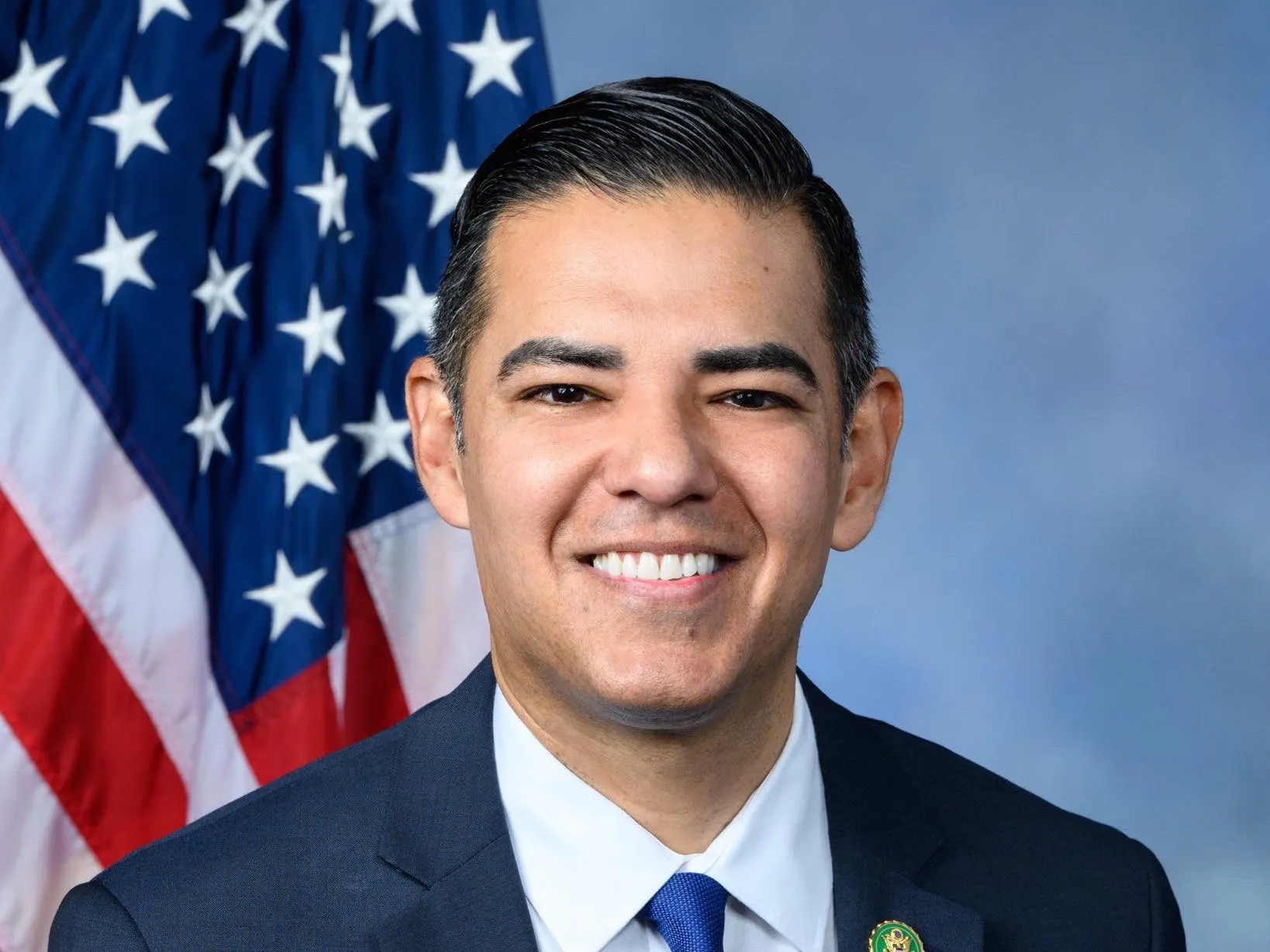
Rep. Robert Garcia has issued 12 record-preservation notices to people and organizations connected to President Donald Trump as House Democrats prepare for oversight work in the next Congress. The Nov. 18 letters identify records Democrats want retained while they plan investigations into alleged conflicts of interest, immigration enforcement and the handling of the Jeffrey Epstein files.
Garcia, the California Democrat who is the Oversight Committee’s ranking member and is expected to lead it in January, released the notices through the committee Democrats’ official website. His release says the investigations are intended to inform legislation and government reforms.
The notices reveal subjects the incoming majority intends to pursue. They also require readers to distinguish the act of seeking records from proof of the allegations described in the correspondence. The underlying claims remain allegations, and the responses, documents and procedural decisions that follow will determine what can be established.
What the requests cover
The original release organizes the notices around several subjects, with different recipients asked to retain records related to their own role. Some concern private business interests. Others focus on government decisions, enforcement or the management of investigative records. Reading the actual recipient letter helps identify which of those questions it addresses.
- Trump-family businesses — Notices to Donald Trump Jr., Eric Trump and Jared Kushner concern alleged conflicts involving their business interests.
- Government access and financing — Other correspondence concerns alleged access-related payments and records about financing for White House construction.
- Homeland Security — Notices address records involving Stephen Miller, Kristi Noem and Corey Lewandowski and alleged misconduct in administration activities.
- Epstein-related decisions — Correspondence seeks records from current or former officials about the administration’s handling of the files and related decisions.
These categories summarize the requested subjects. Each letter has its own scope. The notice addressed to Eric Trump, for example, identifies records concerning alleged conflicts and business activities. The letter addressed to Vice President JD Vance concerns records of a different set of government discussions.
That distinction matters when a broad headline lists multiple recipients together. Receiving one notice does not imply that every allegation in the full batch applies to that recipient. An accurate account needs to connect each request to its named addressee, the subject of the records and the status of the claim.
Preserving a record and producing it are different steps
A preservation request asks the recipient to retain relevant information. A production request asks for information to be delivered. The two can appear in the same broader investigation but have different immediate effects. The Associated Press reported that these preservation notices do not compel recipients to turn over documents.
A simple hypothetical example illustrates the distinction. If an office is asked to preserve emails from a specified period, retaining them makes them available for a later request. It does not by itself put those emails in a committee’s possession. A subsequent report saying the committee requested documents should identify whether the records were actually received.
The same question applies to responses that provide only part of what was requested. A recipient could acknowledge a letter, provide an explanation or dispute its scope. Each is a response, but none automatically establishes that all relevant documents have been supplied. Tracking what was requested, what was delivered and what remains outstanding gives readers a more useful account of progress.
The White House disputes the Democrats’ approach
The administration has challenged the planned inquiries. In its Nov. 18 report, AP described a letter from White House counsel Will Scharf dismissing information requests by Democratic lawmakers while they remain in the minority. Scharf also argued that requests made in the current Congress would not automatically carry over into the next one.
AP reported that the White House characterized the Democrats’ approach as politically motivated. Garcia, in his official release, argues that the work serves legislative and accountability purposes. Those are the positions of the participants. Whether a particular request has a valid scope or produces a dispute requiring resolution depends on its terms and the subsequent proceedings.
The change in congressional control gives that argument a practical timetable. Garcia is currently the ranking member. The new Congress will organize in January, when Democrats expect to control the committee. Future demands must be evaluated under the authority and rules applicable when they are made.
Where subpoenas fit into an investigation
The Congressional Research Service’s Oversight Manual explains the range of tools available to Congress, including requests for information, hearings and subpoenas. Their use is governed by institutional authority and committee rules. A later subpoena would be a separate action to verify, with its own recipient, scope and deadline.
That process can involve negotiations over relevance, confidentiality, privilege and the form in which material is provided. A disagreement about a request is one part of the investigation’s procedural history. A committee report, a legislative proposal or a court ruling is a later kind of record with a different purpose and evidentiary basis.
For readers, a practical chronology begins with five questions. What action was taken? Which official or committee took it? What records or testimony does it seek? What deadline is actually written in the document? What response or subsequent ruling has occurred? Applying those questions prevents a letter’s announced purpose from becoming an assumed outcome.
How to follow the next developments
The next reporting opportunities are recipient responses, any records actually produced and formally authorized actions when the new Congress begins. The dates in the original correspondence should be checked individually. A deadline appearing in one letter should not be applied to every notice in the batch.
Documents also need to be assessed in context. An allegation cited in a request may refer to prior reporting or an earlier inquiry. A newly released letter can be a new procedural development even when some of its underlying subjects have been discussed before. The useful new information will come from what changes in the record.
Newsmerica’s Politics coverage tracks those distinctions between requests, recorded votes, findings and proposals. Our report on Trump Media’s debt repayment terms addresses a separate company record. The 12 notices now provide a documented starting point for following the oversight work Democrats say they intend to undertake.
Trust & transparency
How we handled this story
Reopened the Nov. 18 Oversight Democrats release and exact original letters. Cross-checked AP’s report, including the administration’s response and status of preservation requests. Checked the CRS Oversight Manual. Allegations remain attributed, and future committee actions are prospective.

Grounded in this reporting
Ask Newsmerica
Ask about this article. Answers quote the closest published passages and link back to their sources.
This tool retrieves article passages; it does not add outside facts.Keep exploring