U.S. consumer sentiment rises in November as inflation expectations fall
Consumer sentiment rose to 51.5 and year-ahead inflation expectations fell to 3.7%. See which parts of the survey improved and how gasoline prices moved.
U.S. consumer sentiment improved in November as households gave a better assessment of the economic outlook and lowered their expectations for inflation. The University of Michigan’s final Index of Consumer Sentiment rose to 51.5 from 48.0 in October, a 3.5-point gain. The median expectation for inflation over the next year fell to 3.7% from 4.7%.
The final index also came in half a point above the preliminary November reading of 51.0. The final survey covers interviews from Oct. 20 through Nov. 16, spanning the Nov. 3 midterm elections. Survey director Joanne Hsu said the month’s gains were led by improvements in expectations for business conditions after the election. The survey results describe households’ assessments over the interview period.
Expectations gained more than current conditions
The headline index summarizes responses about current economic conditions and expectations. Reading both component indexes helps show where the November improvement showed up. The figures below use the university’s final October and November readings. The changes are November minus October, expressed in index points.
| Index | October | November | Change |
|---|---|---|---|
| Overall sentiment | 48.0 | 51.5 | +3.5 |
| Current conditions | 46.7 | 49.4 | +2.7 |
| Expectations | 48.8 | 52.9 | +4.1 |
Expectations improved by 1.4 points more than current conditions. The split is even clearer against November 2025. Expectations were 1.9 points above their year-earlier reading of 51.0, while current conditions were 1.7 points below their year-earlier reading of 51.1. For readers weighing whether the rebound reflects relief households already feel, that comparison offers an answer. Families’ assessments of current conditions improved from October while remaining weaker than a year earlier.
These are survey indexes, so a level of 51.5 should be read against previous index levels. The university’s methodology and release information provide the background for making that comparison. Hsu said November’s sentiment reading was still about 9% below February’s level.
Inflation expectations fell at both horizons
The one-year median fell a full percentage point from October. Longer-run inflation expectations moved from 3.5% to 3.3%, a smaller decline of 0.2 percentage points. Comparing November with February tells another part of the story. The university puts February’s year-ahead expectation at 3.4%. November’s reading was still 0.3 percentage points higher, even after the larger drop in the latest month.
The expectations measure reflects how quickly respondents think prices will rise from here. The Consumer Price Index measures price changes that have already occurred. In October, the national CPI rose 0.4% from September after seasonal adjustment. Those numbers cover different periods and answer different questions. A decline in expected inflation means the typical respondent anticipated a slower rate of price increases than in the previous survey.
October’s inflation report also has a gap that matters for comparisons. The Bureau of Labor Statistics did not collect its usual October 2025 survey data during a lapse in appropriations, so it could not publish standard October-to-October changes for most affected indexes. Newsmerica’s October CPI coverage explains which figures readers can compare.
Gasoline prices fell during the survey window
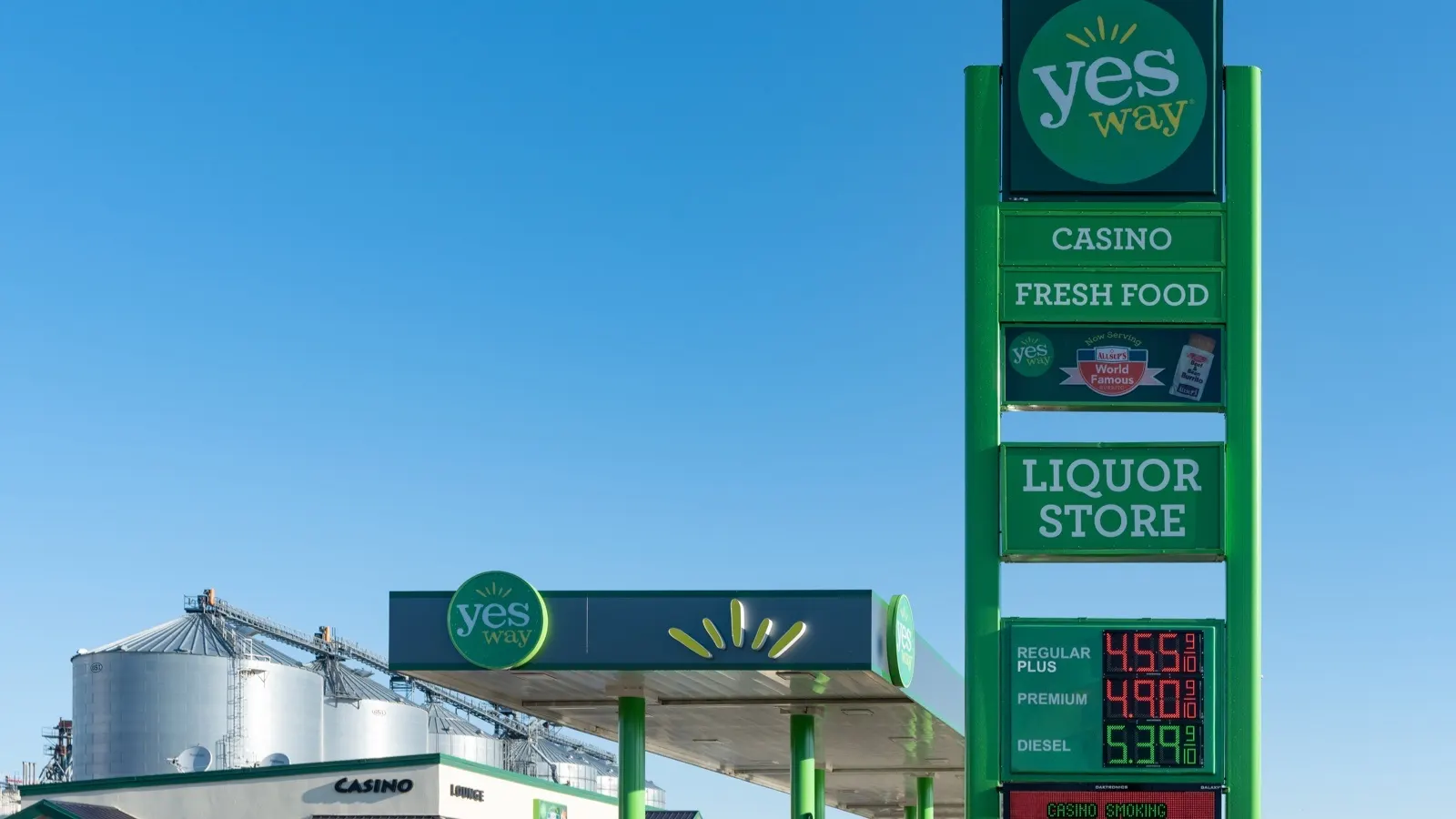
The U.S. Energy Information Administration’s weekly series provides a separate measure of the price relief the university discussed. The national average for regular gasoline was $4.284 per gallon on Oct. 19, the day before interviews began. It was $3.805 on Nov. 16, the day the survey window closed. The difference was about 48 cents per gallon, or 11.2%, using the Oct. 19 price as the starting point.
At those two national averages, 12 gallons would have cost about $51.41 and $45.66, respectively. The difference is about $5.75 for the same purchase. A household’s actual bill depends on the local price and how much it buys. The calculation illustrates one way a price decline could show up in a budget during the interview period. The survey tracks reported experiences and does not isolate the effect of gasoline prices on the overall sentiment index.
What to watch in the next survey
Hsu said some lower- and middle-wealth respondents reported relief in their personal finances as gasoline prices fell, while respondents with the largest stockholdings reported weaker personal finances. These are the university’s observations about groups in the survey. They help explain why a single national sentiment reading can improve while people exposed to different household expenses or asset prices report different experiences. The university’s release archive provides further breakdowns by stock ownership and political affiliation.
The preliminary December survey is scheduled for Dec. 4 at 10 a.m. Eastern. Watch whether current conditions continue to improve alongside expectations and whether the median expected inflation rate moves closer to February’s level. The next official price report will help answer the separate question of what households actually paid.
Trust & transparency
How we handled this story
Checked the survey readings and interview dates against the University of Michigan, and compared them with the October BLS price release and EIA weekly gasoline series.

Grounded in this reporting
Ask Newsmerica
Ask about this article. Answers quote the closest published passages and link back to their sources.
This tool retrieves article passages; it does not add outside facts.Keep exploring
More from Newsmerica
Related coverage

Business & Economy
Black Friday 2026 dates for Walmart, Target, Best Buy and Home Depot

Business & Economy
30 states join FTC’s Dollar General lawsuit as Family Dollar deal awaits approval
Business & Economy