U.S. producer prices rose 6.5% from a year earlier in October
U.S. producer prices rose 6.5% from a year earlier in October. Consumer prices rose 0.4% for the month, and inflation-adjusted hourly pay held steady.
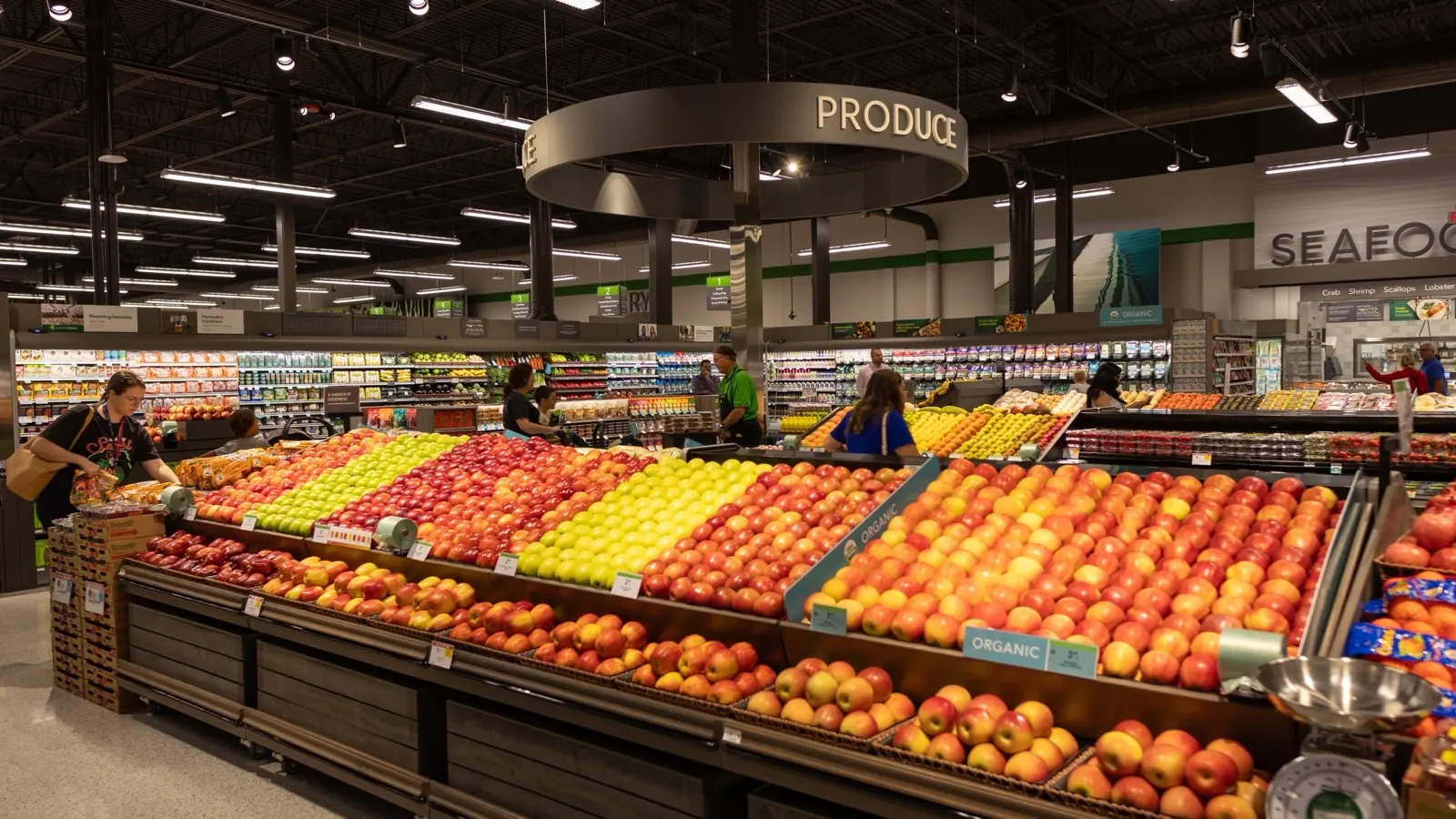
U.S. producer prices rose 6.5% from a year earlier in October, the largest annual increase since November 2022, the Bureau of Labor Statistics reported Friday. The monthly increase slowed to 0.3%, from 1.4% in September.
The report measures prices that producers receive for goods and services. A separate Consumer Price Index report, released Tuesday, showed that prices consumers pay rose 0.4% from September. Here is how the two reports compare.
| U.S. price measure | September monthly change | October monthly change | October change from a year earlier |
|---|---|---|---|
| Producer prices, final demand | +1.4% | +0.3% | +6.5% |
| Consumer prices, all items | +0.6% | +0.4% | Unavailable |
What the Producer Price Index measures
The Producer Price Index tracks changes in the prices that U.S. producers receive for what they sell. That includes goods such as food and services such as shipping. The Consumer Price Index follows a different set of transactions: what households pay for goods and services, including rent and other expenses. The two measures can move at different speeds because they track different prices and give different weight to the goods and services in each index. BLS guide to the PPI
October’s report illustrates the difference between the monthly and annual comparisons. Producer prices rose 0.3% from September to October after seasonal adjustment and 6.5% from October 2025 to October 2026 before seasonal adjustment. A slower monthly increase can coincide with a higher annual rate because the comparisons start from different months. The figures describe prices received by producers. To see what households paid in October, use the consumer-price figures in the table above. BLS October PPI release · BLS October CPI release
Monthly changes are seasonally adjusted. The annual producer-price change is unadjusted. Source: Bureau of Labor Statistics.
What moved prices in October
In the producer-price report, prices for final-demand goods rose 0.5%, while services prices rose 0.2%. Transportation and warehousing accounted for about three-quarters of the monthly increase in services prices, according to BLS.
For consumers, shelter accounted for more than 30% of the monthly increase in the overall index. Grocery prices rose 0.4%, and gasoline rose 1.0% after a 9.1% jump in September. The size of the change in each category helps explain why households may see different increases in their own bills.
Why there’s no annual figure for overall consumer inflation
BLS missed most October 2025 consumer-price data because of a lapse in federal funding. That left the agency without a year-ago figure for the overall CPI. It could still calculate the change from September to October 2026 and publish annual comparisons for some individual categories with data available. The 6.5% producer-price increase comes from a separate index.
What happened to paychecks
Average hourly pay on private nonfarm payrolls rose 0.4% in October, matching the monthly rise in consumer prices. After adjusting for inflation, average hourly and weekly earnings were both unchanged.
BLS has scheduled the November consumer-price and real earnings reports for Dec. 10 at 8:30 a.m. ET.
Trust & transparency
How we handled this story
Checked the October producer-price, consumer-price and real earnings releases from the Bureau of Labor Statistics.

Grounded in this reporting
Ask Newsmerica
Ask about this article. Answers quote the closest published passages and link back to their sources.
This tool retrieves article passages; it does not add outside facts.Keep exploring
More from Newsmerica
Related coverage

Business & Economy
Black Friday 2026 dates for Walmart, Target, Best Buy and Home Depot

Business & Economy
30 states join FTC’s Dollar General lawsuit as Family Dollar deal awaits approval

Business & Economy