Daraxonrasib combination shows tumor responses in early pancreatic cancer study
Early data cover 61 people given daraxonrasib with chemotherapy. See how the study differs from the FDA-approved use and what a randomized trial will test.
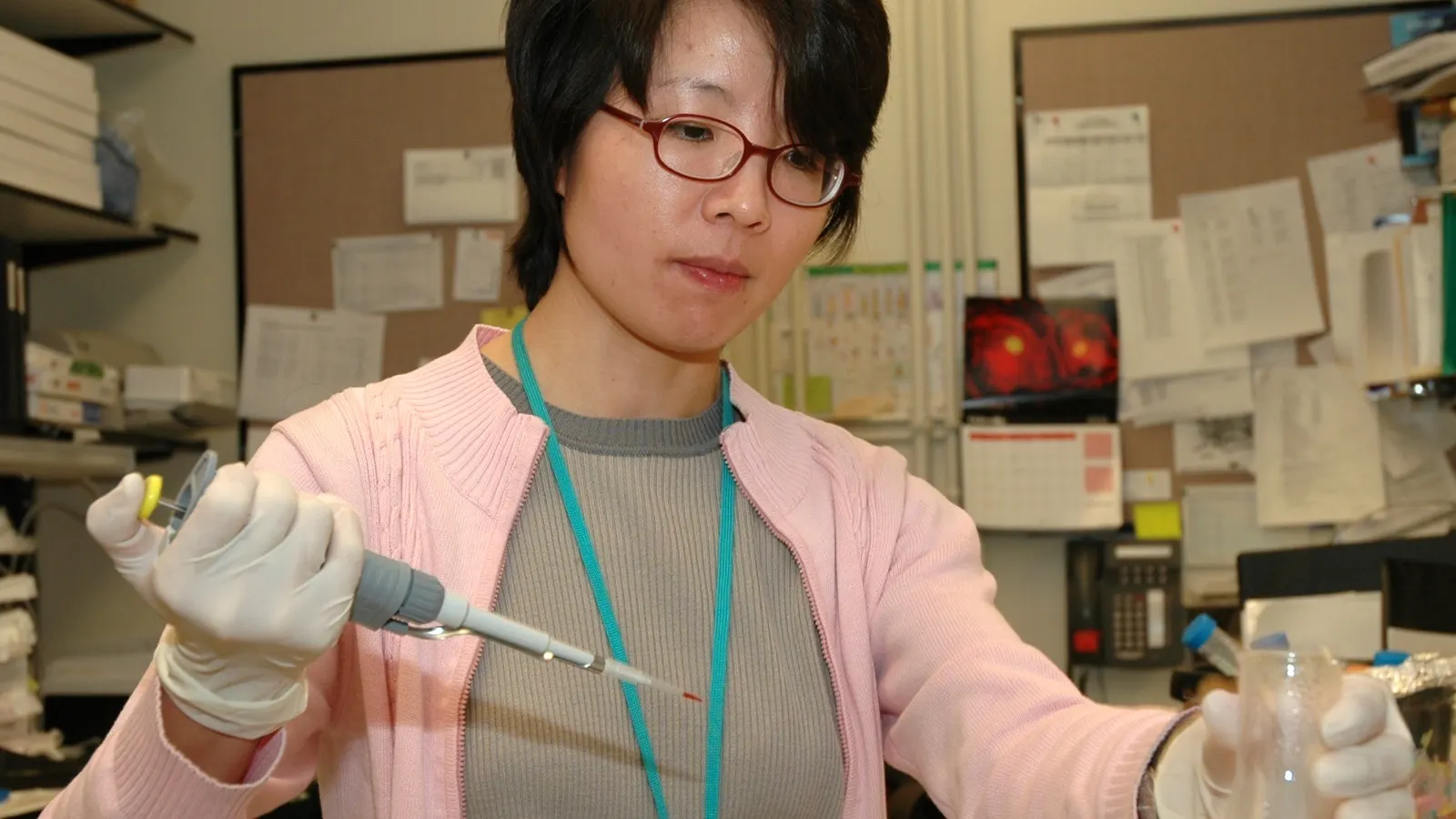
Tumors shrank in about six in 10 people in an early study of daraxonrasib combined with chemotherapy as initial treatment for metastatic pancreatic cancer. Investigator Wungki Park presented the results Friday at a cancer research conference in Barcelona. The finding gives researchers more evidence to pursue the combination in a larger randomized trial.
Daraxonrasib, sold as Rasonque, already has U.S. Food and Drug Administration approval for a defined group of adults with metastatic pancreatic adenocarcinoma. The new conference results address a distinct question about using it with chemotherapy at the start of treatment for metastatic disease. The distinction matters to anyone trying to make sense of an approval headline alongside an early trial headline about the same drug.
What researchers saw in 61 patients
Revolution Medicines reported a confirmed objective response rate of 60.7% in the 61-person group. Applied to that group, the percentage represents about 37 people. Five people, or 8.2%, had a complete response. They are included in the response total. In this study, a complete response means the tumors were no longer detectable on scans at the assessment. Follow-up is needed to learn how long such a response lasts.
The data cutoff was Sept. 28, and median follow-up was 18.3 months. The sponsor estimated that 76.6% of participants were alive at 12 months. That survival estimate and the response rate answer different questions. One describes how many people were estimated to be alive at a point in time, taking account of the available follow-up. The other describes how many met the study’s criteria for tumor shrinkage. Neither figure on its own measures the benefit attributable to adding daraxonrasib.
The RMC-GI-102 study was open label, meaning the participants and investigators knew the treatment being given. Everyone in the reported cohort received the combination. With no randomized chemotherapy-only group for comparison, differences between these patients and people treated in other studies can affect apparent results. The conference report also describes side effects including rash, diarrhea, fatigue and low blood-cell counts. The data on benefit and side effects will both matter in comparisons from the randomized trial.
How the results fit with the FDA approval
The FDA approved daraxonrasib on Aug. 26 for adults with metastatic pancreatic adenocarcinoma who have received at least one prior systemic therapy or who are ineligible for multiagent systemic therapy. The agency based its efficacy assessment on the separate RASolute 302 trial. That trial randomly assigned 500 people whose disease had progressed after one prior line of systemic treatment to daraxonrasib or a physician’s choice of standard chemotherapy.
The FDA reports that in the previously treated RASolute 302 population, median overall survival was 13.2 months in the daraxonrasib group and 6.7 months in the comparison group. The calculation comes from one randomized trial with both groups enrolled under the same protocol. The August approval and the Friday presentation therefore refer to different bodies of evidence. The new report follows the people in one initial-treatment cohort receiving a combination. Its percentages cannot be used to estimate what those same people would have experienced on chemotherapy alone or to infer a new indication.
What the randomized trial will test
The ongoing RASolute 303 phase 3 trial is designed to compare three approaches in people receiving initial treatment for metastatic pancreatic adenocarcinoma. Its groups get daraxonrasib alone, daraxonrasib with chemotherapy, or chemotherapy alone. The registered study summary describes the randomized design. It will allow investigators to compare treatment groups enrolled in the same trial rather than relying on outcomes from other populations.
There are three separate records to follow as this research progresses. The FDA’s approval page defines the U.S. indication. The conference report describes outcomes observed in an early combination cohort. The phase 3 registry describes the comparison designed to test initial treatment. Future results can show whether any improvement in survival or time before the cancer progresses comes with side effects people can tolerate. Those are the findings that would help determine whether the combination should move into broader first-line use.
Trust & transparency
How we handled this story
Cross-checked the Nov. 19 sponsor data, Nov. 20 ENA presentation, RMC-GI-102 listing, FDA approval notice and RASolute 303 trial design. Response percentages are from a single uncontrolled cohort. The FDA survival comparison is from a distinct randomized trial.

Grounded in this reporting
Ask Newsmerica
Ask about this article. Answers quote the closest published passages and link back to their sources.
This tool retrieves article passages; it does not add outside facts.Keep exploring