Jury convicts Jonathan Rinderknecht in federal Palisades Fire case
A jury found Jonathan Rinderknecht guilty on two counts in the Palisades Fire case. See what the verdict resolved and how to follow the March sentencing.
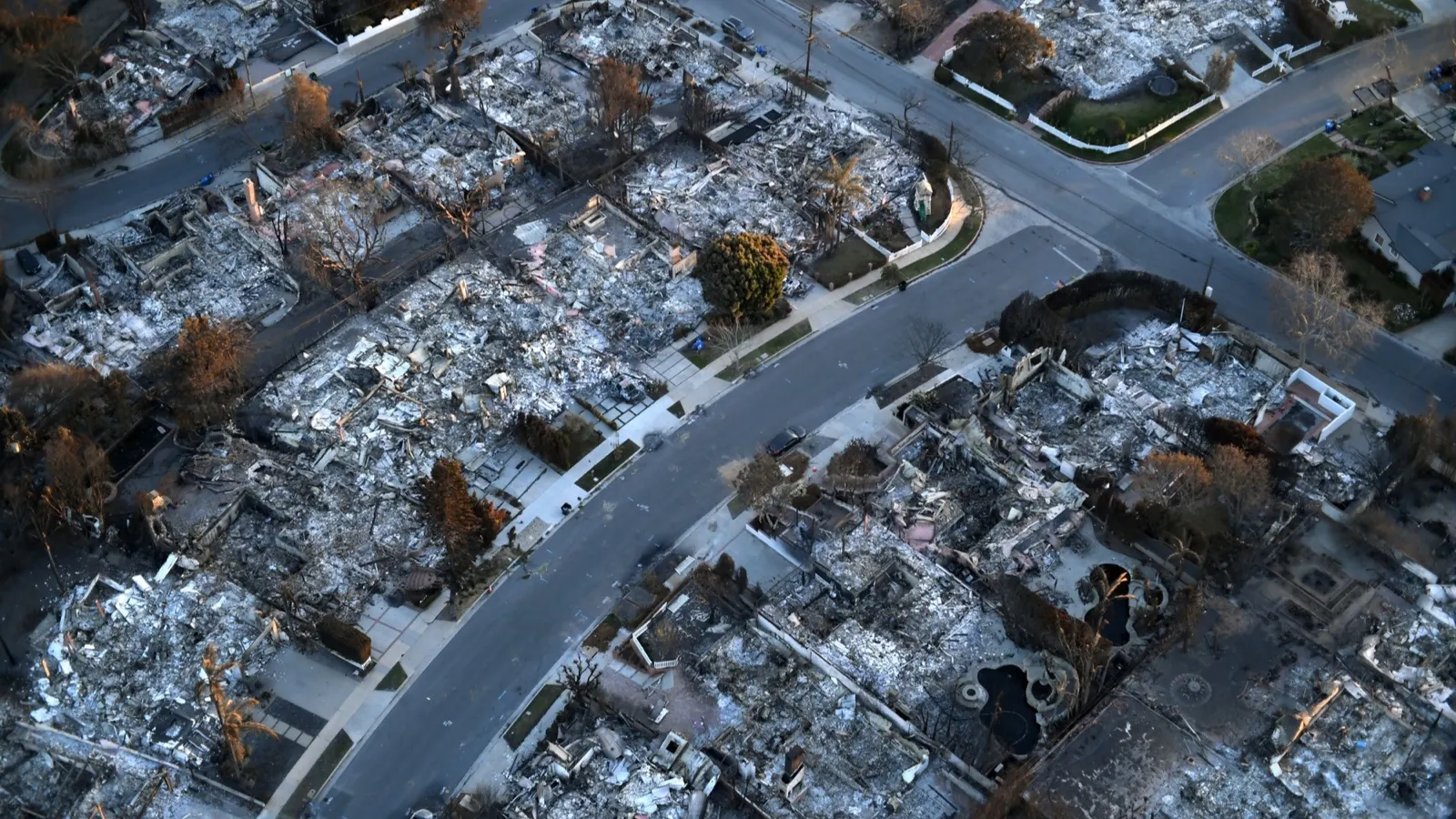
A Los Angeles federal jury on Nov. 20 found Jonathan Rinderknecht guilty on two counts in the case arising from the 2025 Palisades Fire. It was the second federal trial, after the first ended in a mistrial. U.S. District Judge Anne Hwang scheduled sentencing for March 17, 2027, according to the U.S. Attorney’s Office’s verdict announcement.
The Justice Department announced guilty verdicts on one count of destruction of property by fire and one count of arson affecting property used in interstate commerce. The verdicts resolved the charges presented to the jury. Sentencing is a separate hearing, and Judge Hwang has yet to impose a sentence.
Three dates that tell different parts of the story
January 2025: The CAL FIRE incident archive records the Palisades Fire as a Jan. 7 incident in Los Angeles County and puts the area burned at 23,448 acres. Residents looking for official fire measurements or affected areas can start with that archive. It is an incident record maintained by the fire agency.
Nov. 20, 2026: The guilty verdicts followed a retrial. The Associated Press reported that the first federal trial ended in a mistrial. A mistrial ends that trial without a verdict on the charges at issue. The retrial had its own jury and produced Friday’s verdicts.
March 17, 2027: This is the scheduled sentencing date in the verdict announcement. The announcement gives the statutory minimum and maximum penalties and identifies the judge. The sentence itself will be a later court record. The time or date can also change, so families planning to attend should confirm the latest listing with the court or the federal case page.
What changes at sentencing
At trial, jurors weighed the evidence supporting the charged offenses. At sentencing, the judge determines punishment following the verdicts. Federal law also gives qualifying crime victims the right to be reasonably heard at a public sentencing proceeding. The Justice Department’s overview of crime victims’ rights explains that role and points readers to assistance.
The verdict announcement identifies the counts and summarizes the government’s case. The case page is more useful for people looking for dates and victim information. Questions about whether a person qualifies to participate, how to submit material or whether a filing deadline applies belong with the designated federal victim assistance staff. The case page provides the district’s own point of contact.
There are several details worth confirming before making travel plans for a hearing. A courtroom assignment can change, and a scheduled date does not establish a time to arrive. Check the newest notice for the courtroom and start time, and ask the case contact about access or accommodations. A social post sharing an earlier schedule is less useful than the dated court entry.
Families and businesses may also be dealing with rebuilding, claims or other proceedings arising out of the fire. The criminal court’s docket answers what happened in this federal case. The incident archive records the fire’s footprint and the response. Each source has its own figures, deadlines and purpose, so a dated entry is more informative than treating every update as part of one process.
What to check before the hearing
Start with the case number, 2:25-CR-833-AH, the judge and the posted hearing date. A new court notice can move the date. Filings from the parties may raise issues after verdict and before sentencing. The operative documents are the court’s orders and its eventual judgment. The federal case page and the Central District of California provide routes to those records.
The federal case page refers to the venue as the Felicitas and Gonzalo Mendez United States Courthouse in Los Angeles. That location is a starting point for following the proceeding. The clearest way to keep the records straight is to use the defendant’s full name and the judge’s name when searching the court calendar, then match the result to a posted date.
After sentencing, the written judgment is the place to check the term imposed and any other terms the court sets. The scheduled hearing and the eventual sentence belong on separate lines of a case timeline.
For residents looking back at the disaster itself, the fire agency’s archive offers a starting point for the geography and scale of the January 2025 incident. For readers following the verdict today, the next concrete milestone is the scheduled March hearing. Newsmerica’s U.S. desk tracks subsequent developments in court and state records.
Trust & transparency
How we handled this story
Checked the guilty verdicts and scheduled hearing against the U.S. Attorney’s announcement and case page. Corroborated the prior mistrial with AP and acreage with CAL FIRE.

Grounded in this reporting
Ask Newsmerica
Ask about this article. Answers quote the closest published passages and link back to their sources.
This tool retrieves article passages; it does not add outside facts.Keep exploring