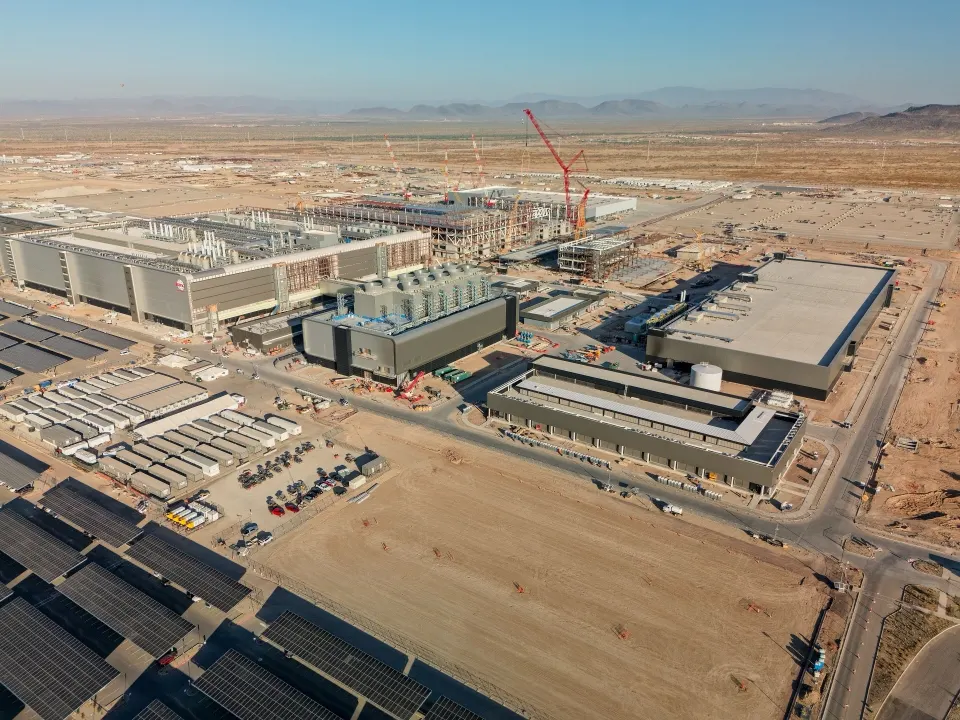
U.S. Section 301 tariff proposals draw responses from Malaysia and Singapore
Malaysia is seeking a 19% cap as the U.S. weighs different tariff paths for 14 economies. Compare the proposed rates and find the January comment deadline.
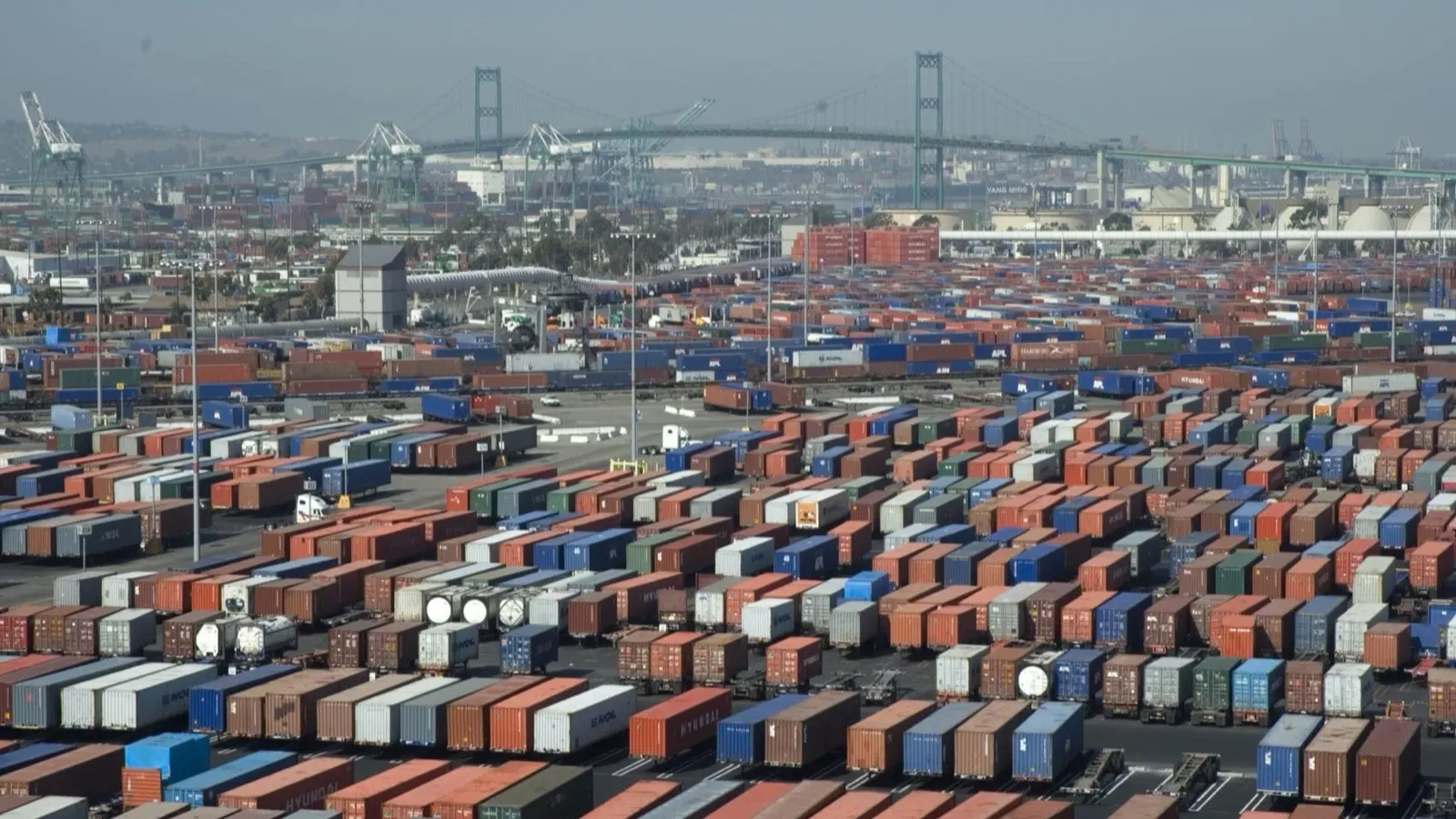
Malaysia said Nov. 26 it would seek to keep its total U.S. Section 301 tariff rate at or below 19%, a day after Washington proposed new duties covering 14 economies. Singapore also challenged the reasoning behind the U.S. findings. The two responses came as the Office of the U.S. Trade Representative opened a comment process on what it calls excess manufacturing capacity.
The headline numbers describe different things. Malaysia’s 19% is a negotiating target. The U.S. notices contain different rate options depending on how talks go, along with exemptions and instructions for accounting for certain existing duties. The Nov. 25 USTR announcement gives businesses until Jan. 5, 2027, to submit comments or request a hearing appearance. The new proposals have not taken effect.
How the U.S. tariff proposals compare
| Economy | Proposed rate | What to check |
|---|---|---|
| Malaysia | Up to 18% or 25% | Higher option if USTR is unsatisfied with talks |
| Singapore | Up to 20%, with a 10% option | Lower option tied to responsive commitments |
| European Union | 15% | Takes specified existing duties into account |
| India | Up to 25% | A qualifying agreement could lead to 17% |
| Vietnam | Up to 35% | A qualifying agreement could lead to 20% |
| China | Up to 10% or 20% | Which annex lists the product |
The Malaysia notice explains the upper end of the range. USTR is considering up to 18% after accounting for existing Section 301 tariffs, with exemptions. It could consider up to 25% on the same basis if it concludes that consultations and commitments are unsatisfactory. The gap between those two proposed ceilings is seven percentage points. That is the difference between the two scenarios for the new action, rather than a calculation of what a particular shipment would owe.
In its Nov. 26 response, Malaysia’s trade ministry cited a 10% tariff already in force under the separate forced-labor action. The July Federal Register notice specifies exemptions to that action. An importer should check whether the July duty applies to its classification before estimating how the new proposal could affect it. The 19% figure is what the ministry wants to secure in talks.
In the Singapore notice, the U.S. describes an initial ceiling of 20% net of existing Section 301 duties and an option to adjust the rate to 10% in response to a trade agreement or other negotiations that produce relevant commitments. Singapore Deputy Prime Minister Gan Kim Yong said the findings did not reflect Singapore’s economic circumstances and that his government would continue engaging with Washington, according to the ministry’s transcript.
Why product classification matters for China and the EU
The China notice lays out a rate of up to 10% for goods listed in Annex A and an exemption for certain products in Annex B. It proposes a separate ceiling of up to 20% for goods outside the two annexes, with an adjustment for duties under the separate forced-labor action under the terms of the notice. Reviewing only the country headline would miss which proposal applies to a specific import.
The EU notice accounts for the most-favored-nation rate and existing Section 301 duties and has specified product exemptions. The remaining notices use their own rules on offsets, exemptions and possible agreements. A business estimating costs can start with its tariff classification and country of origin, check the applicable annex, then identify the existing duties the notice tells it to account for.
How to comment before the January hearings
The USTR comment portal lists separate written-comment dockets for Malaysia, USTR–2026–0735, and Singapore, USTR–2026–0736. The notices provide the docket information and filing instructions, including how to request a hearing appearance and submit a summary of testimony. Written comments and hearing requests are due Jan. 5. Hearings are scheduled to start Jan. 25. Neither date sets a start date for new duties.
The inquiry began March 11 with 16 economies. The Nov. 25 determinations covered Bangladesh, Cambodia, China, the EU, India, Indonesia, Japan, Malaysia, Singapore, South Korea, Switzerland, Taiwan, Thailand and Vietnam. USTR did not make determinations on Mexico or Norway in this announcement. For a business awaiting a bill or negotiating a new order, the document to watch after comments is a final notice with effective dates and product coverage. Newsmerica’s coverage of the separate chip tariff discussion explains why that proposal follows a different path.
Trust & transparency
How we handled this story
Newsmerica checked the Nov. 25 USTR announcement, the Malaysia, Singapore, China and EU notices, the July Federal Register notice and the governments’ Nov. 26 responses.

Grounded in this reporting
Ask Newsmerica
Ask about this article. Answers quote the closest published passages and link back to their sources.
This tool retrieves article passages; it does not add outside facts.Keep exploring
More from Newsmerica
Related coverage
Business & Economy
Norse Atlantic cancels all flights as Norwegian unit moves to file for bankruptcy

Business & Economy
Argentina’s central bank reform and what the U.S. Treasury swap records show
Business & Economy