FCC conditionally authorizes SpaceX’s one-million-satellite Starmind network
The FCC order sets four milestones through 2040 and requires a new debris filing before SpaceX deploys Starmind satellites above 600 km.
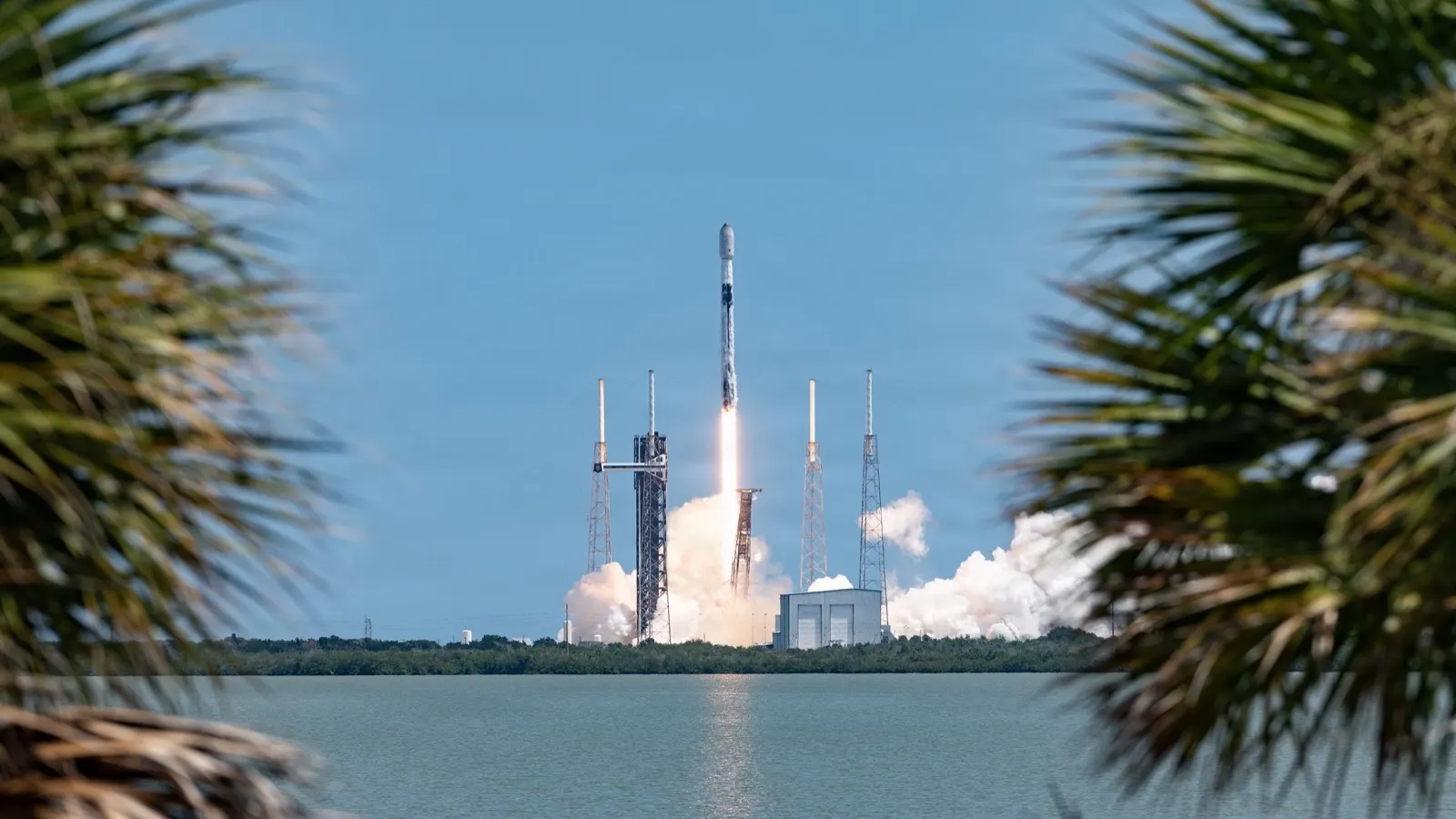
The Federal Communications Commission’s Space Bureau on Nov. 25 conditionally authorized SpaceX’s Starmind system, a proposed network of up to one million satellites designed to provide computing capacity in orbit. The order gives SpaceX a regulatory path to deploy the network and operate under the prescribed communications and safety conditions. It also leaves a portion of the company’s request unresolved, including its request for flexibility on how some satellites would be disposed of after their missions.
The FCC order, DA 26-1273, offers a more useful guide to the project than the headline satellite count alone. It sets four deployment milestones stretching from 2033 to 2040. It also requires a separate filing on debris mitigation before SpaceX deploys satellites that will operate above 600 kilometers.
What the FCC requires and when
| Deadline | FCC deployment condition | Count implied by the authorized ceiling |
|---|---|---|
| Nov. 25, 2033 | One satellite deployed in its assigned orbit and operating | 1 |
| Nov. 25, 2035 | 10% operating in assigned orbits | 100,000 |
| Nov. 25, 2038 | 50% operating in assigned orbits | 500,000 |
| Nov. 25, 2040 | Remaining authorized constellation operating | 1,000,000 total |
The numbers in the third column apply the percentages in the order to the one-million-satellite ceiling. The 2035 and 2038 milestones imply an increase of 400,000 operating satellites in three years. That arithmetic illustrates the scale of the license conditions. The dates are regulatory deadlines, and the order says the authorization becomes void if the deployment requirements are missed. A launch plan would need company schedules, spacecraft and rockets.
The license term runs for 15 years from the date SpaceX certifies that its first Starmind satellite is in orbit and operating in accordance with the grant. SpaceX must file that certification within five business days after placing the satellite into operation, according to the order. The authorization also includes a period in which SpaceX may decline the conditioned grant. Those are two distinct milestones, one tied to the release of the order and the other to the first operating satellite.
What remains open above 600 kilometers
The bureau found the debris mitigation plan for satellites operating below 600 kilometers met the agency’s requirements. It imposed a separate requirement for satellites intended to operate higher. Before deploying Starmind spacecraft that will operate above 600 kilometers, SpaceX must submit a modification application with its final debris mitigation plan for those satellites.
The order also defers a waiver request involving end-of-mission disposal. SpaceX sought flexibility to use alternative disposal orbits for some satellites. The FCC said SpaceX must provide additional justification before it can use a disposal method that departs from the applicable atmospheric reentry rule. The altitude condition and the disposal waiver address separate decisions. It is possible to follow the project’s progress by watching for each in the FCC’s filings.
How the project would communicate
The original public notice describes a system built around optical links between spacecraft. The order allows specified radio frequencies for backup and emergency operations under conditions. That distinction matters because the Starmind concept relies on satellites passing data optically, while the FCC authorization addresses the circumstances in which the system can use radio links.
Earlier Newsmerica coverage of SpaceX’s GPU equipment financing covers a separate set of commitments. A financing agreement and a satellite authorization establish different things. For Starmind, the next useful records are modifications filed under SAT-LOA-20260108-00016, evidence of hardware deployment, and the first certification that a satellite is operating. Together they would show how far SpaceX has moved from the order’s conditions toward a working network.
Trust & transparency
How we handled this story
Newsmerica checked FCC order DA 26-1273 and the earlier application notice and calculated satellite counts from the order’s stated percentages and ceiling.

Grounded in this reporting
Ask Newsmerica
Ask about this article. Answers quote the closest published passages and link back to their sources.
This tool retrieves article passages; it does not add outside facts.Keep exploring