Revised FRONTIER Act proposal would preserve qualifying state AI laws
Compare the July FRONTIER Act bill with the November outline, including proposed AI incident deadlines and which state laws it would preserve.
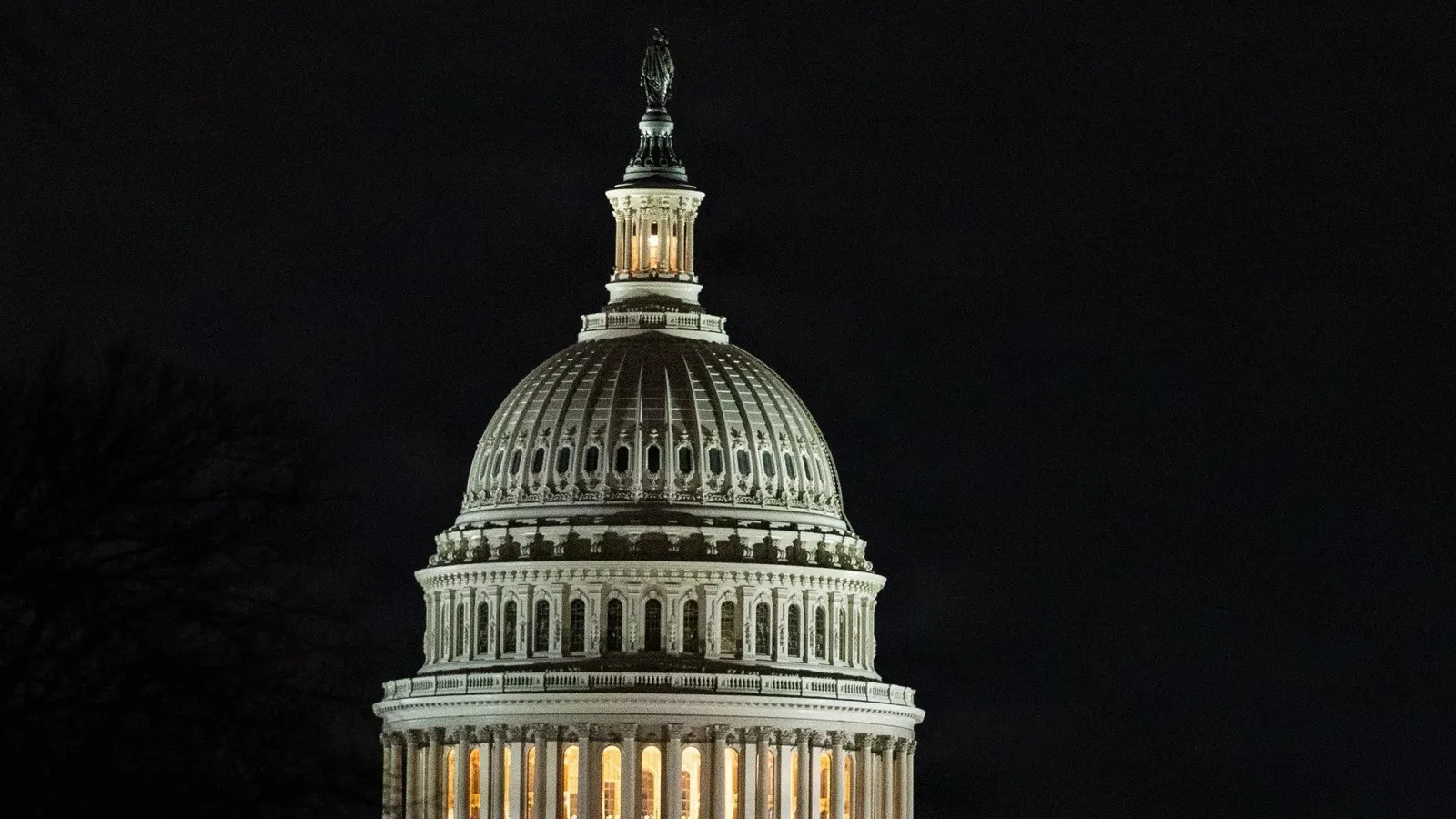
Rep. Lori Trahan has released a revised outline for federal oversight of advanced artificial intelligence that would preserve state laws providing at least as much protection, with specified exceptions. The November draft summary also proposes deadlines for reporting critical safety incidents and would require covered developers to publish information about new frontier models.
Trahan, a Massachusetts Democrat, helped introduce the original FRONTIER Act with California Republican Rep. Jay Obernolte in July. The Nov. 19 announcement says full revised text will follow. The document available now describes a proposal. It sets out the sponsor’s intended direction but creates no current reporting deadline or legal obligation.
The July bill and November outline handle state laws differently
The July bill, H.R. 9925 as introduced, would bar states and their subdivisions from imposing new substantive obligations on AI developers in areas covered by the bill, subject to exceptions. Its rules of construction spell out protections for certain state authorities. The November section-by-section summary approaches the question from the other direction. It describes retaining state laws at least as protective of people or property as the proposed federal law.
That comparison matters in states already debating requirements for leading AI developers. Suppose a state requires a developer to send notice sooner than the proposed federal deadline. A shorter deadline alone would not decide how the two rules fit together. The outcome could also turn on the type of incident covered, which organizations are subject to the duty and other protections in each law. The updated summary gives no ruling on the fate of a specific state law.
Section 17 of the new summary identifies exceptions involving the confidentiality of federal materials shared with states and the protection for independent verification organizations acting in good faith. That is a reason to check the text even if a sponsor describes the proposal as preserving stronger state laws.
Three requirements to track as the text develops
| Subject | What the November summary proposes |
|---|---|
| Model disclosures | Covered frontier developers would publish a model card before or when deploying a new or substantially modified frontier model. Additional disclosures would apply to large frontier developers. |
| Incident reports | The general deadline would be 72 hours from when a covered developer knew or reasonably should have known of a critical safety incident. An incident posing an imminent threat would trigger the proposed 24-hour deadline. |
| State rules | State laws at least as protective of people or property would generally be preserved, with the exceptions described in section 17. |
A model card is a document describing what a model was built to do and where it has limitations or restrictions. The proposed card and proposed incident report address different moments. The card is tied to a release. An incident report is tied to something a developer learns about afterward. For a large developer, the summary also contemplates periodic risk reports. Anyone comparing the deadlines should first identify which disclosure the provision is talking about.
There is also a difference between a public disclosure and a private report to regulators. The proposal describes public model cards while allowing some redactions, with justification and an unredacted copy going to the Commerce secretary. It also says a governor could designate a state emergency management agency to receive information about incidents affecting that state under a confidentiality agreement. Those details matter when deciding what the public or a state agency would actually be able to see.
The draft would give the Department of Commerce a role in administering the rules. It also describes independent review for certain developers and a process in which the department could order changes where legal conditions are met. The scope depends on how the future text defines the developers and models it covers. A company that uses AI in its day-to-day work is different from a developer of the advanced models the proposal targets.
What the current proposal leaves open
The wording of the state-law provision, the definition of a critical safety incident and the authority assigned to the federal department are all worth checking once full text appears. A summary omits some of the definitions, cross-references and effective-date details that matter in practice. A committee recommendation, a floor vote and enactment would each be a separate legislative development.
Newsmerica’s report on California AI safety proposals describes one state-level debate. The federal proposal would add a different question for those readers: how a state requirement would interact with the federal standard if Congress adopted a version of the new language. That answer will depend on the text Congress actually advances.
Trust & transparency
How we handled this story
Newsmerica checked H.R. 9925 as introduced and Rep. Lori Trahan’s November announcement and section-by-section summary for model cards, incident deadlines and state-law provisions.

Grounded in this reporting
Ask Newsmerica
Ask about this article. Answers quote the closest published passages and link back to their sources.
This tool retrieves article passages; it does not add outside facts.Keep exploring