Argentina’s central bank reform and what the U.S. Treasury swap records show
Argentina’s Congress approved a ban on monetary financing. See what the change addresses and how it differs from the $2.5 billion U.S. swap that was repaid.
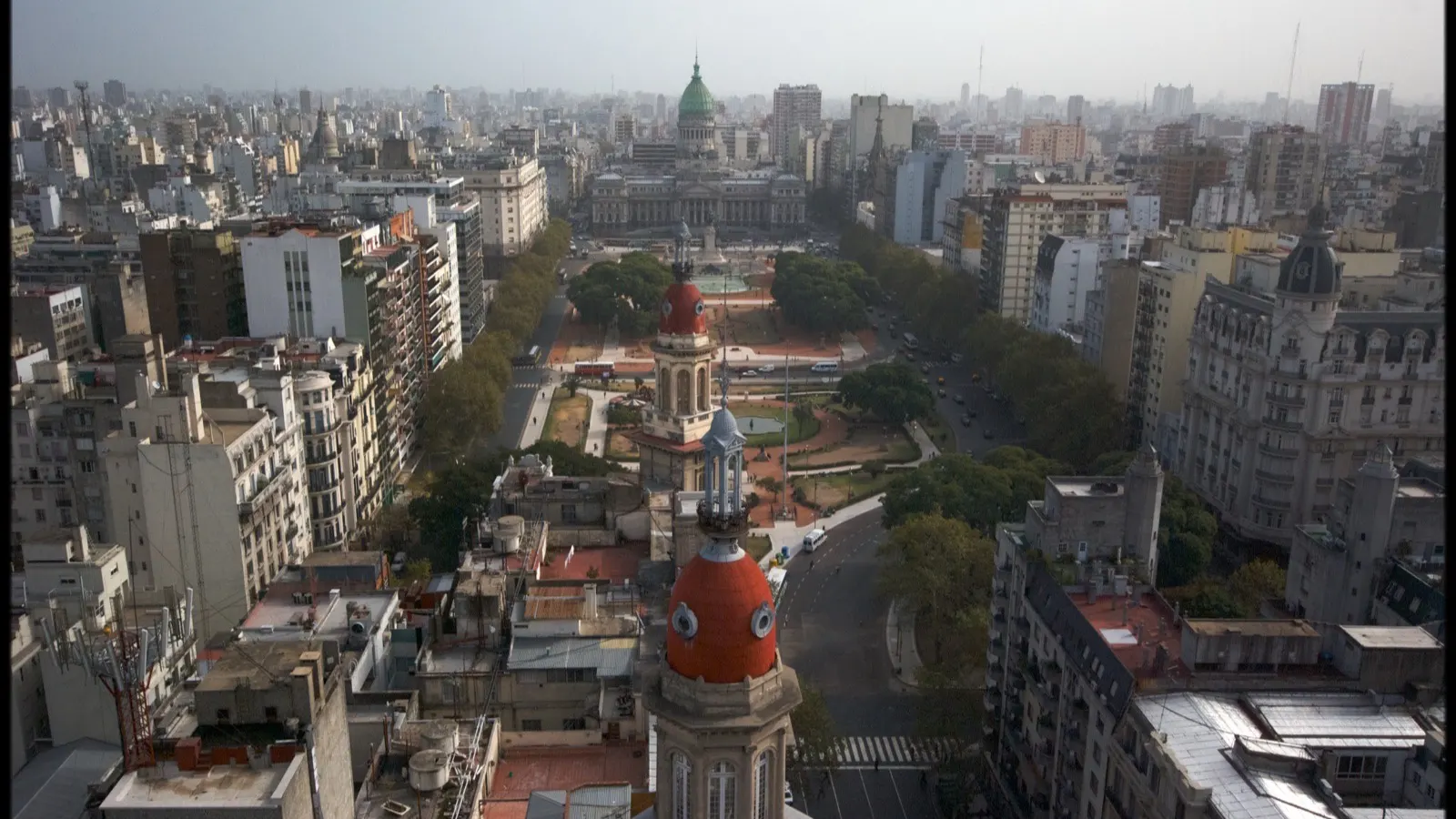
Argentina’s Congress approved a change to the central bank’s charter on Nov. 26 that would bar the bank from creating money to finance the public sector. President Javier Milei’s office announced final congressional approval. The Banco Central de la República Argentina said it would update the published charter once the promulgation and publication process was complete.
The vote addresses a domestic source of government funding. It also arrives after a separate financial relationship with Washington drew attention to the Argentine central bank. A U.S. Treasury audit shows that a much-discussed $20 billion arrangement led to a documented $2.5 billion currency swap in October 2025, which Argentina repaid that December. The legislative vote and the swap concern different transactions.
What Argentina’s Congress approved
In its Nov. 26 announcement, Milei’s office said the reform gives the central bank a primary mission of preserving the value of the currency and prohibits monetary financing of the public sector. The Associated Press reported that the Chamber of Deputies voted 141–0 to approve the measure, with 99 abstentions. The government presented the change as part of its effort to bring down inflation.
Monetary financing can occur when a central bank supplies money or credit to cover a government’s bills. A government spending more than it collects still faces a financing decision. Restricting the central bank channel changes one way that gap can be covered. It does not tell readers how Congress will set taxes or spending, or what it will cost Argentina to borrow from investors.
The central bank’s charter page gives an important status check. As of Nov. 27, it acknowledged that Congress had passed the reform and said the page would be updated once the next steps were complete. The published final text will be the record to consult for the wording, effective date and any transition rules.
How much did Argentina draw under the U.S. arrangement?
| Amount or event | What the official records show |
|---|---|
| $20 billion | Size of the exchange stabilization arrangement entered into by the U.S. Treasury’s Exchange Stabilization Fund and Argentina’s central bank in October 2025. |
| $2.5 billion | Amount the U.S. Treasury audit identified in an October 2025 swap transaction in which Argentina’s central bank exchanged pesos for dollars. |
| December 2025 repayment | Treasury’s audit says the Argentine central bank fully repaid the $2.5 billion and that swap position closed. |
The numbers come from note 13 of the Exchange Stabilization Fund’s audited fiscal 2025 statements. Although the statements cover a fiscal year ending Sept. 30, the note separately reports events that occurred afterward. Argentina’s central bank confirmed in January that it settled its fourth-quarter 2025 transactions with the U.S. Treasury in December.
The $2.5 billion transaction represented 12.5% of the stated $20 billion arrangement. That calculation compares the amount of a documented transaction with the agreed facility size. It is neither a measure of U.S. spending in Argentina nor an estimate of what remains available. An agreement sets terms for transactions. A draw records an exchange that actually took place. Repayment closes the transaction identified in the audit.
There is also a difference between the date of the agreement and the date it was made public. Treasury dated entry into the agreement to Oct. 18, 2025. The Argentine central bank’s January statement referred to an Oct. 20 announcement. The two documents agree that the fourth-quarter transaction was settled in December. Matching the same kind of date across records keeps the sequence clear.
Why the two records answer different questions
The Argentine charter governs what the central bank may do at home. The U.S. audit describes a prior bilateral exchange under which the two institutions swapped currencies. Readers looking for a link should ask what the final charter says about central bank powers, and separately what Treasury and the Argentine central bank disclose about any outstanding or future transactions. The historical draw and repayment provide a baseline for that comparison. They do not establish the current balance under the arrangement.
A reliable follow-up will depend on the newly published charter and the date its provisions take effect. If Washington or Buenos Aires reports a later transaction, look for the amount, the date and whether the statement refers to an available line, a new exchange or a repayment. Each describes a different financial event.
Trust & transparency
How we handled this story
Newsmerica checked Argentina’s presidency and central bank charter statements, the Associated Press vote report, the U.S. Treasury audit and the Argentine central bank’s settlement notice.

Grounded in this reporting
Ask Newsmerica
Ask about this article. Answers quote the closest published passages and link back to their sources.
This tool retrieves article passages; it does not add outside facts.Keep exploring
More from Newsmerica
Related coverage

Business & Economy
Norse Atlantic cancels all flights as Norwegian unit moves to file for bankruptcy

Business & Economy
Musk gives a timeline for SpaceX shares pledged to Trump Accounts

Business & Economy