ICE detains two passengers during boarding at Sea-Tac
ICE detained two passengers during boarding at Sea-Tac. The airport is asking DHS whether agents followed procedures previously agreed to at the airport.
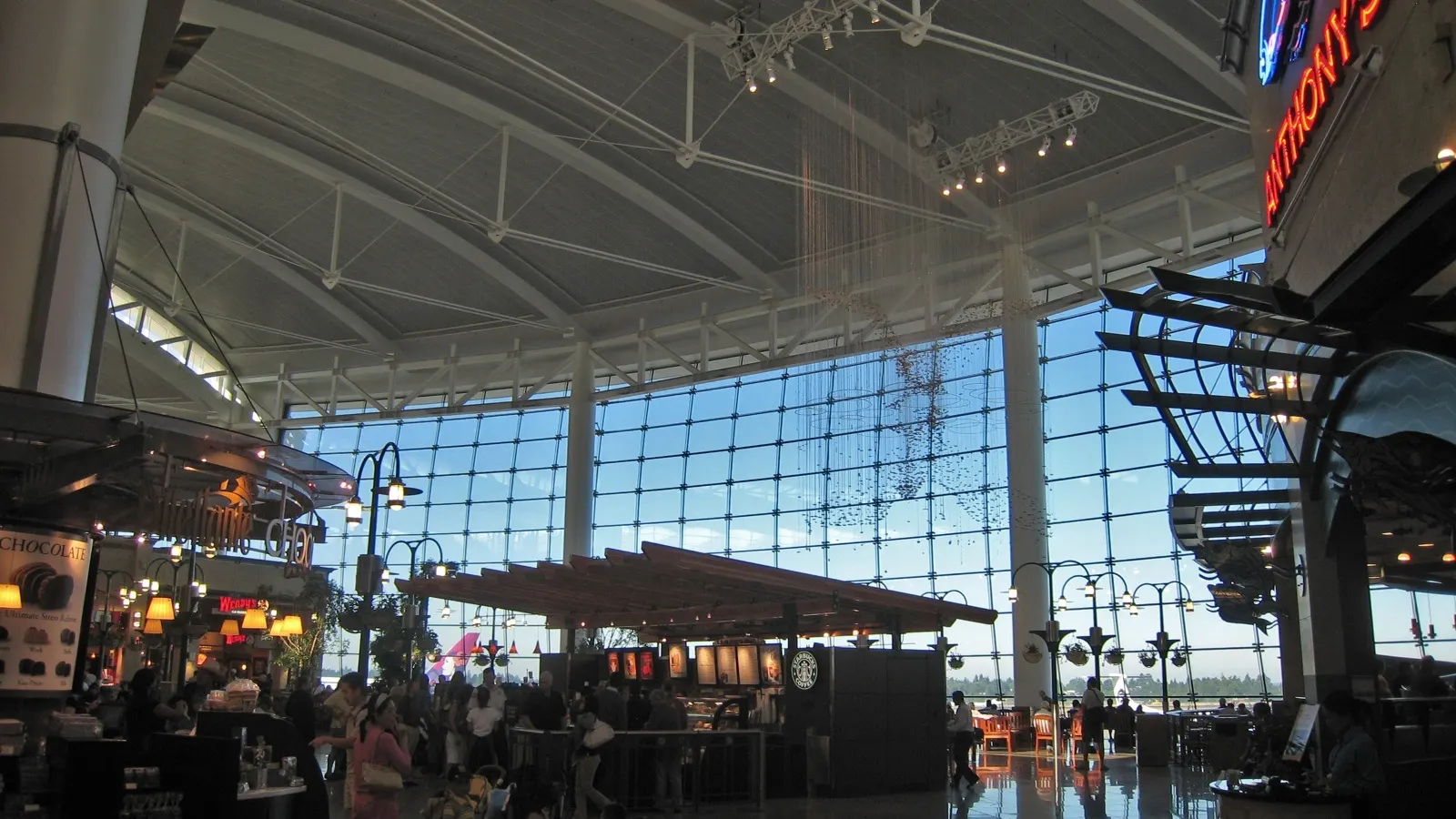
Federal immigration officers detained two people on a jet bridge at Seattle-Tacoma International Airport on Saturday as passengers boarded Alaska Airlines Flight 1306 for Los Angeles. The operation delayed the flight and prompted the airport’s operator to ask the Department of Homeland Security whether agents followed procedures previously agreed to at Sea-Tac.
The Port of Seattle’s Nov. 21 statement confirmed that the U.S. Immigration and Customs Enforcement operation involved two passengers during boarding. The Associated Press reported that masked agents detained both people and that the airline raised concerns about what happened. ICE described the operation as a targeted arrest and gave its account of how the second detention came about.
What happened during boarding
Flight 1306 was scheduled to depart at 8:10 a.m. Pacific time, according to flight data cited by AP. That is the scheduled departure time. The Port’s account places the incident earlier in the boarding process, on the passage between the gate and the plane. AP reported the flight was delayed.
ICE said officers went to the airport to arrest a man from Mexico it accused of overstaying his visa, according to the account it provided to AP. The agency said another passenger threw hot coffee at officers during the confrontation and alleged that she had also overstayed a visa. Those statements are the agency’s account of the encounter and the passengers’ immigration status. The public accounts reviewed for this article did not establish a court finding or the passengers’ current custody status.
In a statement issued at 3:30 p.m. Pacific time Saturday, Alaska Airlines said it received no advance notice of the operation and was working to learn whether procedures were followed. The airline said it does not direct immigration enforcement and had raised its concerns with the authorities. That response explains what the carrier says it knew before boarding was interrupted.
The airport’s review and the governor’s objection
The Port runs the airport and says it had no role in the federal operation. In its statement it said local federal immigration authorities had agreed to protocols and that Port officials were discussing possible breaches with DHS. The statement gives no text of the protocols or account of how officers got onto the jet bridge. Alaska’s statement establishes its own account of advance notice. The agency and airport records would have to establish what notice was required and which organizations were supposed to receive it.
Washington Gov. Bob Ferguson raised a separate question about face coverings. He told reporters he believed the operation violated legislation he signed in March and said he was looking into how agents accessed the jet bridge, according to AP. His comments set out the state’s position.
The Washington statute, effective March 19, restricts covered officers’ use of opaque face coverings while dealing with the public on duty. It has exceptions, including for officers working undercover in an active operation, certain tactical protective gear, and qualifying workplace protective equipment. It also addresses officer identification. Any ruling on the governor’s objection would need to address whether the state law applies to federal officers in this setting.
These reviews can lead to different findings. The airport can examine coordination, access and whether DHS followed an agreement. State and federal officials can separately address the law and whether it applies. Any immigration proceedings or criminal allegations involving a passenger would need their own verification.
The three public accounts answer different questions about the same morning. The Port identifies the flight and says federal officers acted independently of it. Alaska’s account addresses notice to the carrier. ICE explains whom officers say they were seeking and makes allegations about what happened during the confrontation. Together, those statements establish why any review needs the airport’s records as well as the federal agency’s account.
What would clarify the case
The most useful next documents would be a dated Port or DHS account of the airport protocols, a timeline of notice and access, and any court filing that bears on the detentions or the dispute over face coverings. A protocol finding would answer a narrower question than a ruling on the conduct of federal officers. The Port’s latest public statement identified the discussion with DHS and gave no timetable for a conclusion.
Saturday’s reporting tied the delay to Flight 1306. For travelers heading through airports this week, Newsmerica’s Thanksgiving airport guide covers the published screening and ID procedures. The Port’s question about Saturday involves a separate federal action during boarding.
Trust & transparency
How we handled this story
The Port and Alaska Airlines confirmed the flight, the carrier’s lack of advance notice and the open protocol review in separate statements. AP corroborated the arrests and reported the federal account. Alleged visa overstays and conduct remain attributed to ICE. No protocol or legal violation is stated as a finding.

Grounded in this reporting
Ask Newsmerica
Ask about this article. Answers quote the closest published passages and link back to their sources.
This tool retrieves article passages; it does not add outside facts.Keep exploring