Rocket Lab’s 101st Electron mission deploys StriX-14 satellite
Rocket Lab deployed Synspective’s StriX-14 radar satellite. The prior spacecraft shows what comes after launch and before the satellite enters service.
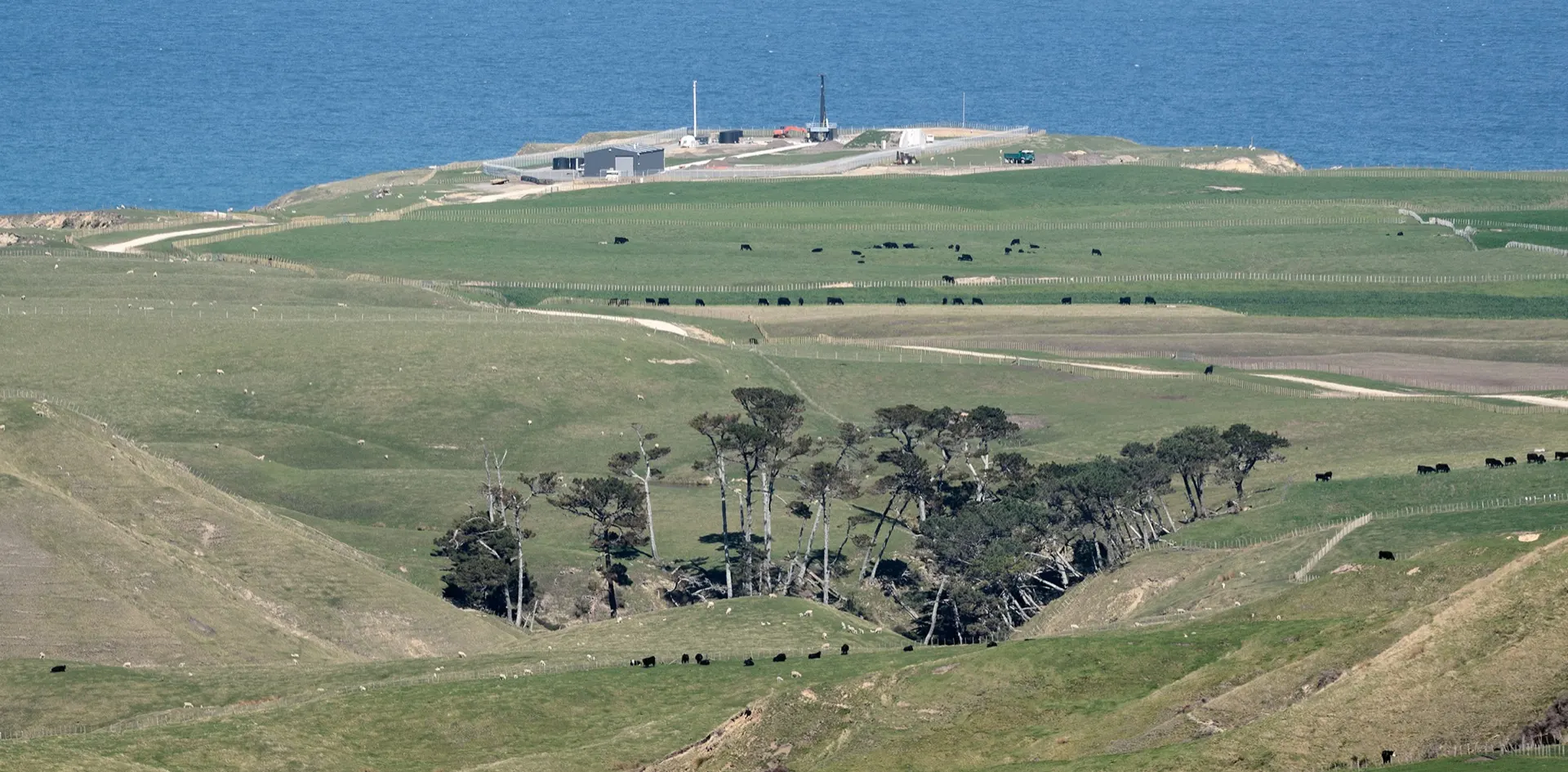
Rocket Lab’s 101st Electron mission put a Japanese radar-imaging satellite into orbit on Thanksgiving evening in the United States. The launch gives Tokyo-based Synspective another spacecraft for observing Earth. For the people who use its images, the next milestones are testing the satellite, validating its observations and bringing it into service.
The satellite operator said its 14th StriX spacecraft reached its target orbit after liftoff from Rocket Lab’s launch complex on New Zealand’s Māhia Peninsula at 00:15 UTC Nov. 27. That is 7:15 p.m. Eastern on Thursday, Nov. 26, and 1:15 p.m. in New Zealand on Friday, Nov. 27. Rocket Lab identified the flight as its 101st Electron mission and said the spacecraft was delivered to a low Earth orbit about 569 kilometers above Earth.
The two companies record different parts of the milestone. Rocket Lab provides the mission count and deployment report. Synspective operates the satellite and sets the timetable for testing before it enters service. The operator’s timestamp also matches the independent mission record and resolves a conflicting month in the text of the launch provider’s release.
The previous StriX satellite shows what happens next
A day before announcing the new deployment, Synspective published the first imagery from StriX-13. That satellite launched Sept. 26 at 00:39 UTC. Nov. 26, the date of the first-imagery announcement, was 61 calendar days later. The company did not give a capture date in that announcement, so the 61 days measure the time from launch to public disclosure.
| Milestone | What it establishes | What Synspective has reported |
|---|---|---|
| Reaches orbit | The launch placed the spacecraft in orbit | StriX-14 reached its target orbit on Nov. 27 UTC |
| First imagery | Operators obtained an observation from the satellite | Synspective announced first imagery from StriX-13 on Nov. 26 |
| Enters service | The operator completed the checks it requires for operational use | Synspective plans further testing and commissioning of StriX-14 over the coming months |
That timeline is a reference point for understanding the latest mission. StriX-13’s dates belong to that satellite. The operator has yet to give a date for the new spacecraft’s first public image or service. A later announcement can show which milestone the company has reached.
What a radar satellite can observe
StriX uses synthetic aperture radar, often called SAR. The instrument sends radio signals toward Earth and measures what reflects back. This lets the operator image surfaces at night and through many kinds of cloud cover, conditions that can limit visible-light photography. NASA’s introductory radar training materials explains how radar complements optical imagery and why the two can show different features of the same place.
For organizations monitoring a region, the value can be in comparing observations over time. Changes in radar images may help analysts examine a flood, infrastructure damage or movement of the ground. An additional satellite can give a network more opportunities to observe a location, depending on its orbit, the collection schedule and demand. A deployment announcement alone gives no precise revisit schedule for customers.
Why the launch count and the satellite count differ
Rocket Lab’s 101 counts Electron missions. Synspective’s 14 counts spacecraft in one customer’s StriX launch series. The figures answer separate questions about the flight history of a launch vehicle and the buildup of a commercial Earth-observation network. The word “14th” also describes the sequence of the satellite deployment. It does not state how many spacecraft are delivering imagery in regular service at the same time.
The next public evidence for StriX-14 will come from the operator as it reports on testing or shows the satellite’s observations. The launch established that the spacecraft reached orbit. A first-imagery release will help readers see what the instrument produces, and a service announcement would give a clearer answer about operational availability. Newsmerica’s coverage of SpaceX’s FCC authorization examines another set of milestones for a separate commercial satellite project.
Trust & transparency
How we handled this story
Deployment, timing and the prior satellite’s first-imagery announcement were checked against Rocket Lab, Synspective and an independent mission record.

Grounded in this reporting
Ask Newsmerica
Ask about this article. Answers quote the closest published passages and link back to their sources.
This tool retrieves article passages; it does not add outside facts.Keep exploring