Fed minutes show officials saw further rate increases as likely
Newly released Fed minutes explain the October rate hold, dissenting votes and the conditional outlook for further increases.
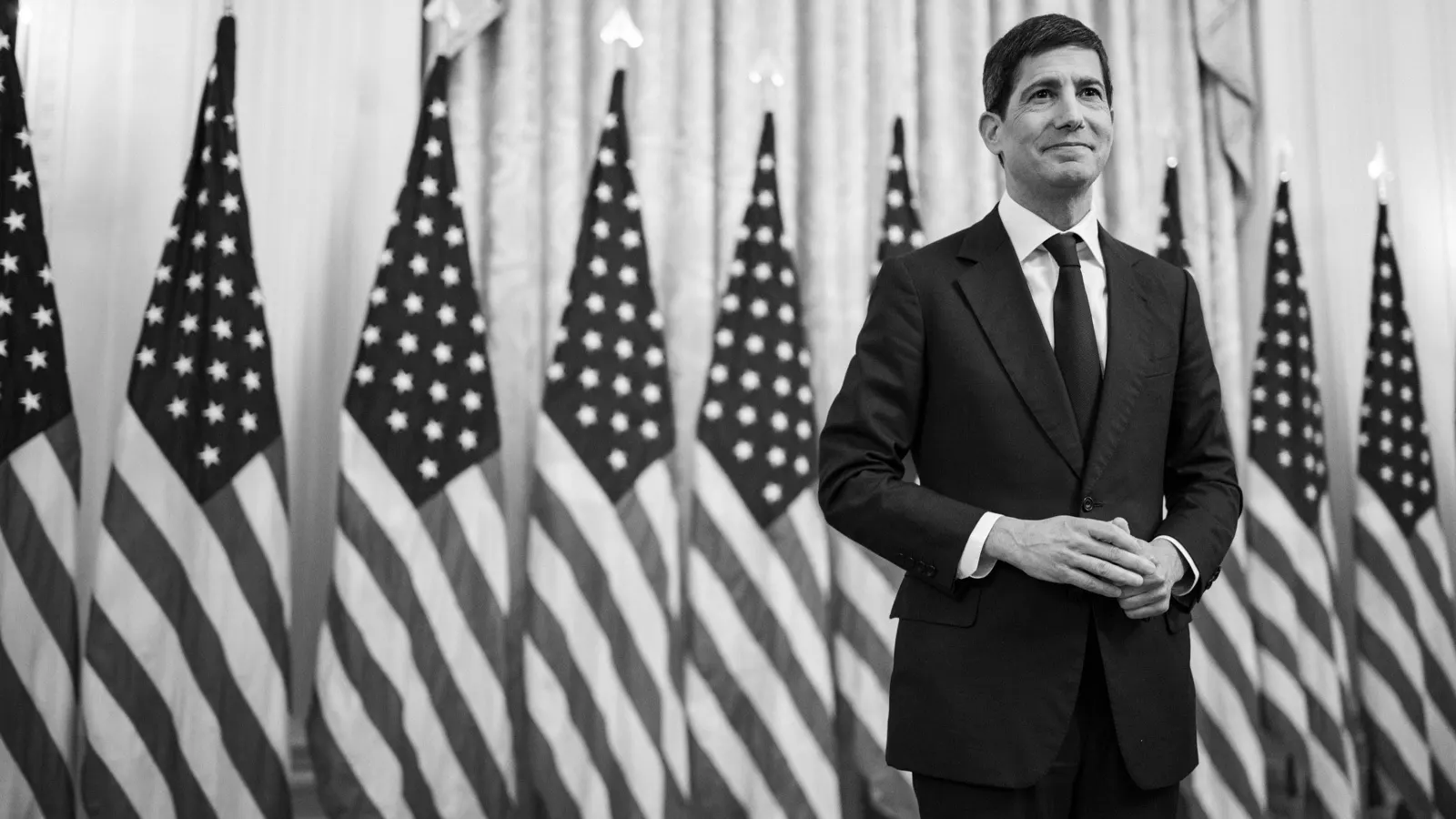
Federal Reserve officials considered further interest-rate increases likely under their economic outlooks at the October policy meeting, according to minutes released Wednesday. The record shows that the decision to keep rates unchanged coexisted with concerns that inflation would require additional action.
The minutes of the October 27–28 meeting say almost all participants judged that further increases would probably be appropriate under their baseline outlooks for inflation and the labor market. Decisions would depend on incoming information, the outlook and the balance of risks.
The committee’s actual October decision held the federal funds target range at 3.75% to 4%. Ten voting members supported that action. Lisa Cook and Beth Hammack dissented, preferring a quarter-percentage-point increase.
Three dates explain what changed this week
The release gives readers a fuller account of an earlier decision. It adds information about the discussion without constituting another policy vote. A short timeline separates the event from the publication of its record.
- October 27–28. Officials met and decided to hold the target range, with two dissenting votes for an increase.
- November 18. The Fed released the meeting minutes at 2 p.m. Eastern, providing the discussion behind the decision.
- December 8–9. The next scheduled policy meeting gives officials another opportunity to weigh incoming evidence and decide on rates.
The Fed says minutes are generally published three weeks after the policy decision and describe conditions using information available at the meeting. That dating matters when comparing the record with newer economic releases or officials’ subsequent remarks.
A development after October 28 cannot be assumed to have shaped that meeting. Readers assessing the next decision need both the historical discussion and the information that arrives afterward.
A rate hold can coexist with an expectation of further action
Officials’ votes and their expectations have different time horizons. A member can support holding the range at one meeting while considering an increase appropriate later. The October record shows precisely that distinction.
The minutes describe inflation as elevated and economic activity as expanding at a strong pace. The committee wanted additional information to determine the policy stance needed to bring inflation back to its 2% goal.
The wording about future increases is conditional on the baseline outlook. It does not establish a binding commitment for December or identify how every official will vote when that meeting occurs. The voting record establishes what the committee actually authorized in October.
How to read the discussion of a larger increase
A couple of participants said a move exceeding 25 basis points could warrant consideration at the next meeting if inflation data were unfavorable. That is a description of views expressed in the discussion, with an explicit condition attached.
Twenty-five basis points equals 0.25 percentage point. A 50-basis-point change would equal 0.50 percentage point. Keeping the units clear helps prevent a common mistake — reading a quarter-percentage-point move as a 25% change in the interest rate.
The number of participants discussing an option also should not be confused with the number of voting members supporting a decision. The minutes summarize a wider policy discussion, while the named roll call records the formal vote.
A simple borrowing-cost illustration
To put the units in practical terms, consider a hypothetical $10,000 balance whose annual interest rate rises by exactly 0.25 percentage point for a full year. The additional simple interest would be $25 — $10,000 multiplied by 0.0025. A half-percentage-point increase under the same assumptions would add $50.
This is an arithmetic illustration, rather than a prediction of a borrower’s bill. It assumes an unchanged balance, a full year and no compounding or fees. An actual loan’s rate, reset date, repayments and contract terms determine what the borrower pays.
The federal funds target is also distinct from a household’s mortgage or credit-card rate. A reader planning a purchase should check the lender’s actual quote and terms, rather than apply a possible Fed move directly to every borrowing product.
AI investment also featured in the risk discussion
The minutes record concerns about financial stability if returns on AI investment disappoint. Officials discussed rapidly growing AI-related debt, complex financing structures and the possibility that a reassessment of asset prices could amplify shocks.
Those passages describe risk scenarios considered by policymakers. They do not establish that an AI investment collapse has occurred or that a specific company will fail. The useful question is which financing exposures could transmit losses if expectations change.
That discussion adds context to Newsmerica’s reporting on Fed officials’ earlier comments about AI, jobs and financial risk. The new minutes should be read as a separate, dated record of the committee meeting.
What readers can verify before December
Follow the next official inflation and labor-market releases, distinguish revisions from newly measured periods and compare later Fed statements with the October record. A later speech may update an individual official’s view, while a policy change requires the committee’s decision.
The Business desk will cover those records as they become available. The central conclusion from the minutes is that officials held rates in October while leaving further increases in view, subject to the evidence they receive.
Trust & transparency
How we handled this story
Newsmerica checked the original records linked in this story. Reported facts, proposals, forecasts and calculations are distinguished in the article.

Grounded in this reporting
Ask Newsmerica
Ask about this article. Answers quote the closest published passages and link back to their sources.
This tool retrieves article passages; it does not add outside facts.Keep exploring
More from Newsmerica
Related coverage
Business & Economy
Black Friday 2026 dates for Walmart, Target, Best Buy and Home Depot

Business & Economy
30 states join FTC’s Dollar General lawsuit as Family Dollar deal awaits approval
Business & Economy