Judge blocks Trump’s August birthright citizenship order for a class of children
A federal judge blocked enforcement of Trump’s August birthright citizenship order for a class of children. See the four conditions and what comes next.
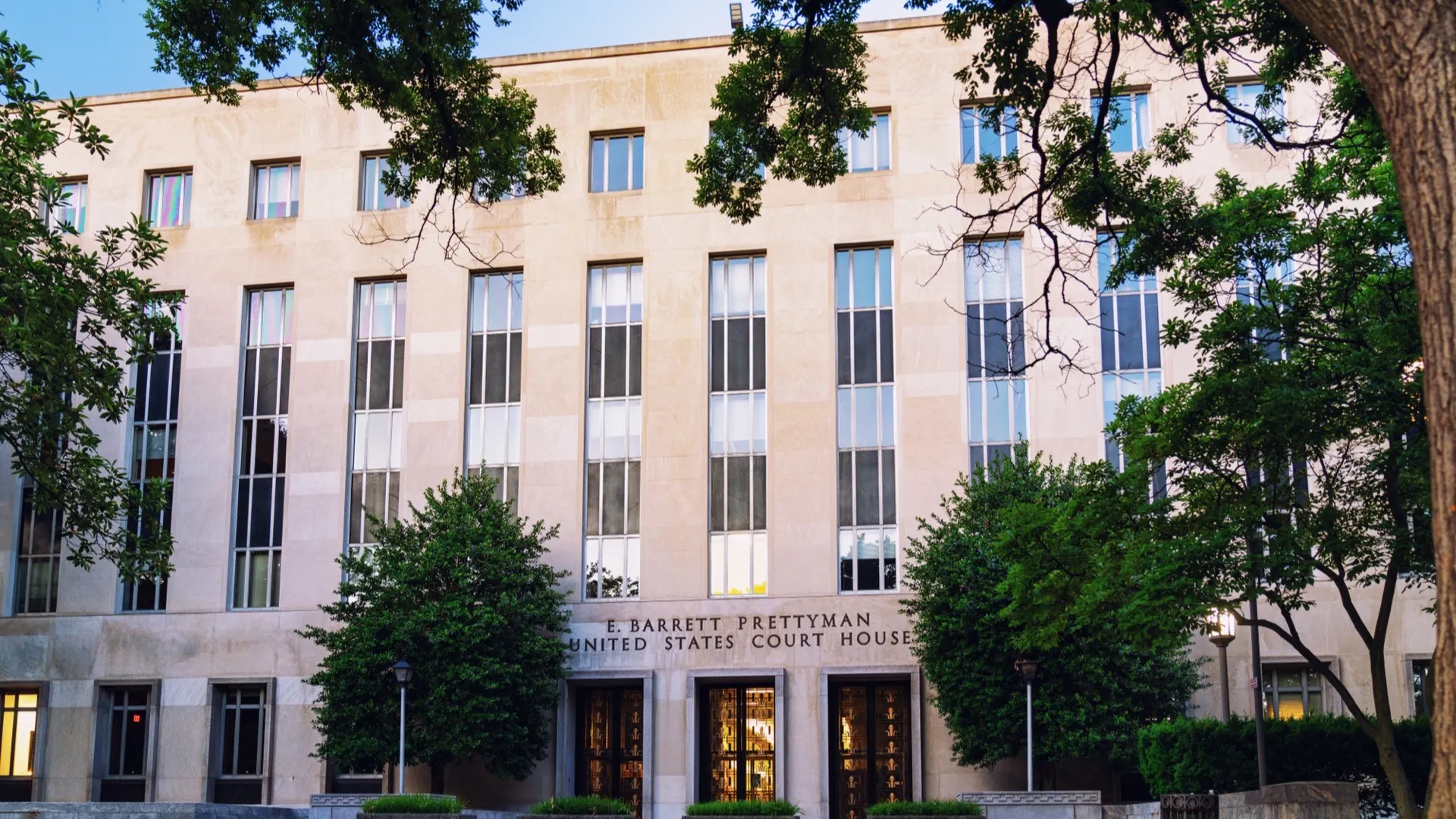
A federal judge in Washington on Nov. 25 blocked the Trump administration from enforcing its August birthright citizenship order against a class of children whose citizenship it would otherwise deny. U.S. District Judge Christopher R. Cooper also denied the government’s request to put the preliminary injunction on hold pending appeal. The ruling came in Nathan v. Trump, a challenge to the administration’s second executive order on birthright citizenship.
The injunction directs the officials who lead the Departments of Homeland Security and State and the Social Security Administration, along with others bound by the order, to refrain from enforcing it against class members or otherwise denying or infringing their citizenship. Its reach depends on the definition of the class. A child does not have to be named in the complaint or live in Washington to fall within it.
Who is covered by the Nathan injunction?
Cooper certified a class under federal rules that allow a single injunction to protect people affected by the same policy. The opinion lays out four conditions. All four apply together.
| Factor | What the court requires |
|---|---|
| Birth date | On or after Aug. 6, 2026 |
| Place of birth | In the United States under the definition in federal immigration law |
| Diplomatic status | The child was not born to an accredited foreign diplomatic officer |
| Parents’ status | Neither parent is a U.S. citizen and the government places or would place at least one parent in a category in sections 2(a) through 2(c) of the August order |
The last condition matters for families reading a summary of the executive order. The White House text lists several categories, covering certain people it deems enemy aliens, foreign government employees and people accused of paying for or fraudulently obtaining birthright citizenship. The class definition covers the first three lettered sections. It excludes the separate provision about territory or territorial waters where federal law does not confer citizenship.
The judge also distinguished the children who make up the class from the adults who can represent them. A parent can pursue the case on a child’s behalf. The ruling declined to add parents to the class in their own right, and it included protection for children born in the future who meet the same conditions.
Why there are two Trump orders and separate court cases
President Donald Trump signed the first order in January 2025. It aimed to deny citizenship to certain children born to parents who were temporarily or unlawfully in the United States. On June 30, 2026, the Supreme Court’s ruling in Trump v. Barbara affirmed a preliminary injunction against that order. The majority held that the parents’ immigration status described in the order did not place their U.S.-born children beyond the reach of the Citizenship Clause.
Trump issued the second order on Aug. 6, after that ruling. It used different criteria. Cooper pointed to one practical difference in the overlap between the two cases. A child of a permanent resident who works for a covered international organization could be affected by the August order even if the child would have fallen outside the class fashioned around the earlier order. That gap is one reason the judge gave for considering a new injunction even though another court had already blocked enforcement for a different class.
Cooper reasoned that the children were likely to prevail because the president lacked authority to create the new citizenship exceptions. The administration argued that the August order fit within the constitutional phrase “subject to the jurisdiction” of the United States. Cooper rejected that reading at this stage, finding that the order reached children who remained subject to U.S. law at birth.
What the court will decide next
The November decision addresses protection while the case proceeds. It is a preliminary ruling, and another court can change or stay it. A final judgment would address the merits after further proceedings. The ACLU’s case page collects filings in the lawsuit. A scheduling entry can move the case along without changing which children are protected.
For readers following the case, the key questions in the next filing are whether a court has changed the operative injunction and whether any change applies to the same class. A new motion seeking a stay would be a request to change protection. A judge granting that request would be the development that changes the immediate legal position. Follow further federal court coverage in Newsmerica’s Politics section.
Trust & transparency
How we handled this story
Newsmerica checked Judge Cooper’s Nov. 25 opinion, the executive order, the Supreme Court’s Barbara opinion and the district court docket.

Grounded in this reporting
Ask Newsmerica
Ask about this article. Answers quote the closest published passages and link back to their sources.
This tool retrieves article passages; it does not add outside facts.Keep exploring