Judge pauses FCC license review for eight ABC-owned stations
A judge paused the FCC’s early license review for eight ABC-owned stations. See the stations, what the order covers, and the Dec. 2 and Dec. 9 deadlines.
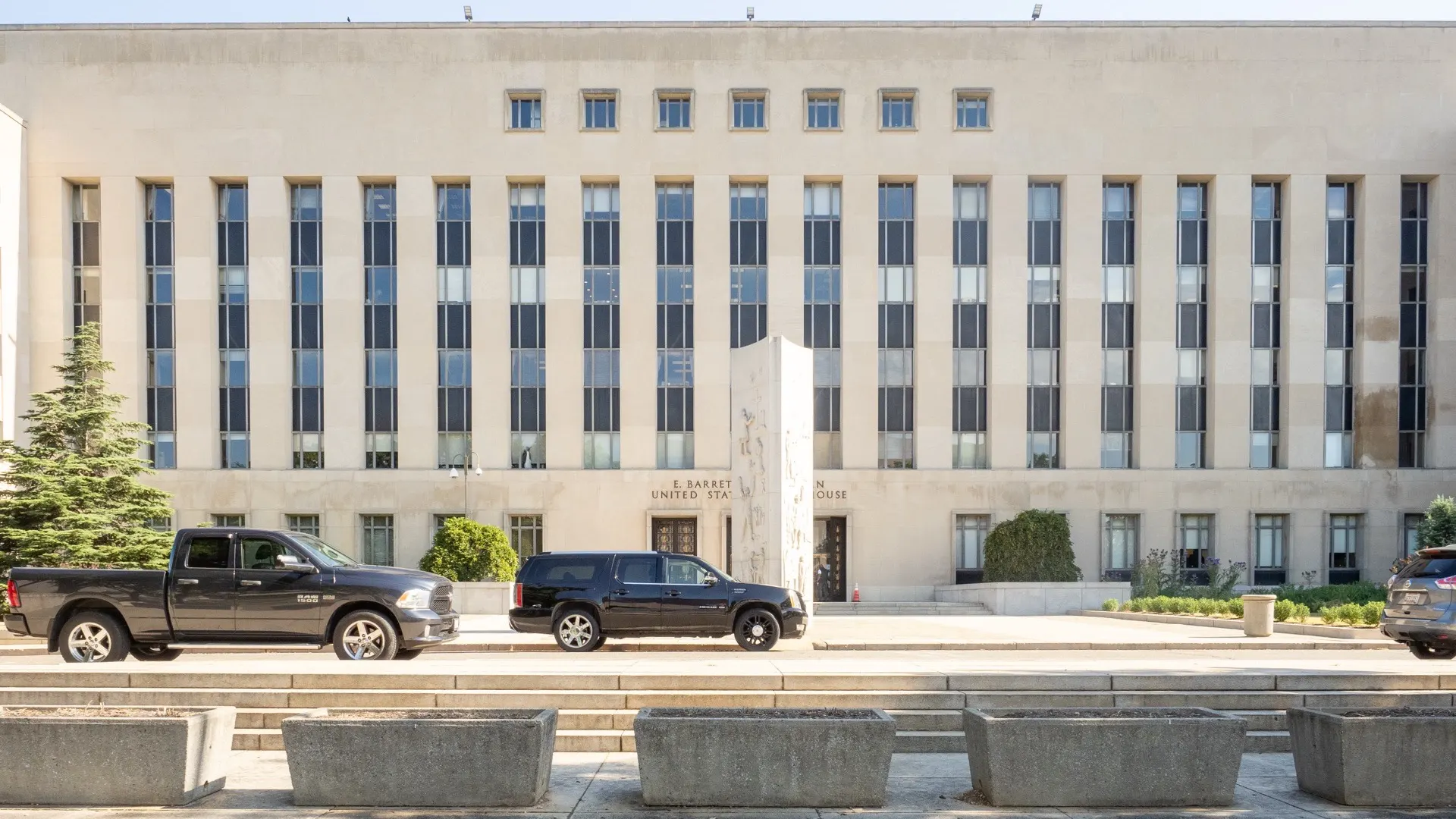
A federal judge on Nov. 25 ordered the Federal Communications Commission to pause an early review of eight ABC-owned television licenses. The preliminary injunction limits what the agency can do in that review while ABC’s lawsuit proceeds. It targets a group of over-the-air local stations in six states, including three in California, rather than all stations that carry ABC programming.
U.S. District Judge Loren L. AliKhan wrote that ABC was likely to succeed on a First Amendment retaliation claim. The network alleged that the agency advanced the renewals to punish it for airing coverage and commentary unfavorable to President Donald Trump and Republicans. The FCC argued that its order advancing the license renewals was part of an inquiry into possible unlawful discrimination. The judge’s November opinion explains why she found ABC had shown enough to pause the renewal process. The signed injunction gives the FCC until Dec. 2 to report how it complied and the parties until Dec. 9 to propose next steps.
Which ABC stations are covered?
The FCC’s June public notice identifies the eight applications by call sign, city of license and file number. The city of license matters because a station can serve a wider metro area. WTVD, for example, is licensed to Durham and serves the Raleigh–Durham market.
| Station | City of license |
|---|---|
| KABC-TV | Los Angeles, California |
| KFSN-TV | Fresno, California |
| KGO-TV | San Francisco, California |
| WLS-TV | Chicago, Illinois |
| WABC-TV | New York, New York |
| WTVD | Durham, North Carolina |
| WPVI-TV | Philadelphia, Pennsylvania |
| KTRK-TV | Houston, Texas |
Viewers can use the call sign to tell whether their local ABC station is one of the eight. The injunction concerns the listed stations’ licenses and does not order any channel off the air or change its programming. A separately owned local affiliate may carry the same network shows while holding a different FCC license outside this case.
What the FCC can do while the case is pending
The FCC’s Media Bureau directed the eight stations to file for early renewals, and the applications were filed on May 28. In June the agency said the filings were accepted for processing. Acceptance at that stage put the applications into a proceeding. Under the framework the FCC described in its notice, the licenses continue in effect while the applications are pending.
The November order blocks the FCC from taking further action on the challenged early renewal proceedings while the injunction is in force. It specifically includes referring the applications for an administrative hearing. A referral matters because it would advance an application into a new stage of formal consideration. The judge granted ABC’s motion in part and left room for investigations outside the scope described in the injunction. She also denied the FCC’s motion to dismiss the lawsuit.
The difference matters for reading any follow-up from Washington. An agency filing about compliance would describe what it is doing to honor the litigation pause. A separate inquiry would need to be evaluated on its own terms. Only a later ruling on the merits could resolve the underlying First Amendment dispute in this case.
The two December filings to watch
The signed order sets two deadlines a week apart. By Dec. 2 the FCC must address its compliance with the injunction. By Dec. 9 the parties must file a joint report proposing how to proceed with the litigation. Readers tracking the renewal records can use Media Bureau docket 26-131 from the FCC notice, while the separate court filings appear under case 1:26-cv-02902 in the U.S. District Court for the District of Columbia.
Neither deadline is a license expiration date. The first is the agency’s account of how it is carrying out the temporary ruling. The second concerns the next phase of the lawsuit. That difference matters more to viewers than any apparent change to a station’s listing in an online schedule. Read more on federal oversight of broadcasters in Newsmerica’s Tech & AI coverage.
Trust & transparency
How we handled this story
Newsmerica checked the signed preliminary injunction, the court’s accompanying opinion and the FCC public notice and station appendix.

Grounded in this reporting
Ask Newsmerica
Ask about this article. Answers quote the closest published passages and link back to their sources.
This tool retrieves article passages; it does not add outside facts.Keep exploring