FedEx jet overruns Miami runway, triggering Thanksgiving Eve flight delays
A FedEx jet overran a Miami runway Nov. 25. FAA records show how a regional ground stop turned into a wider flight-delay program.
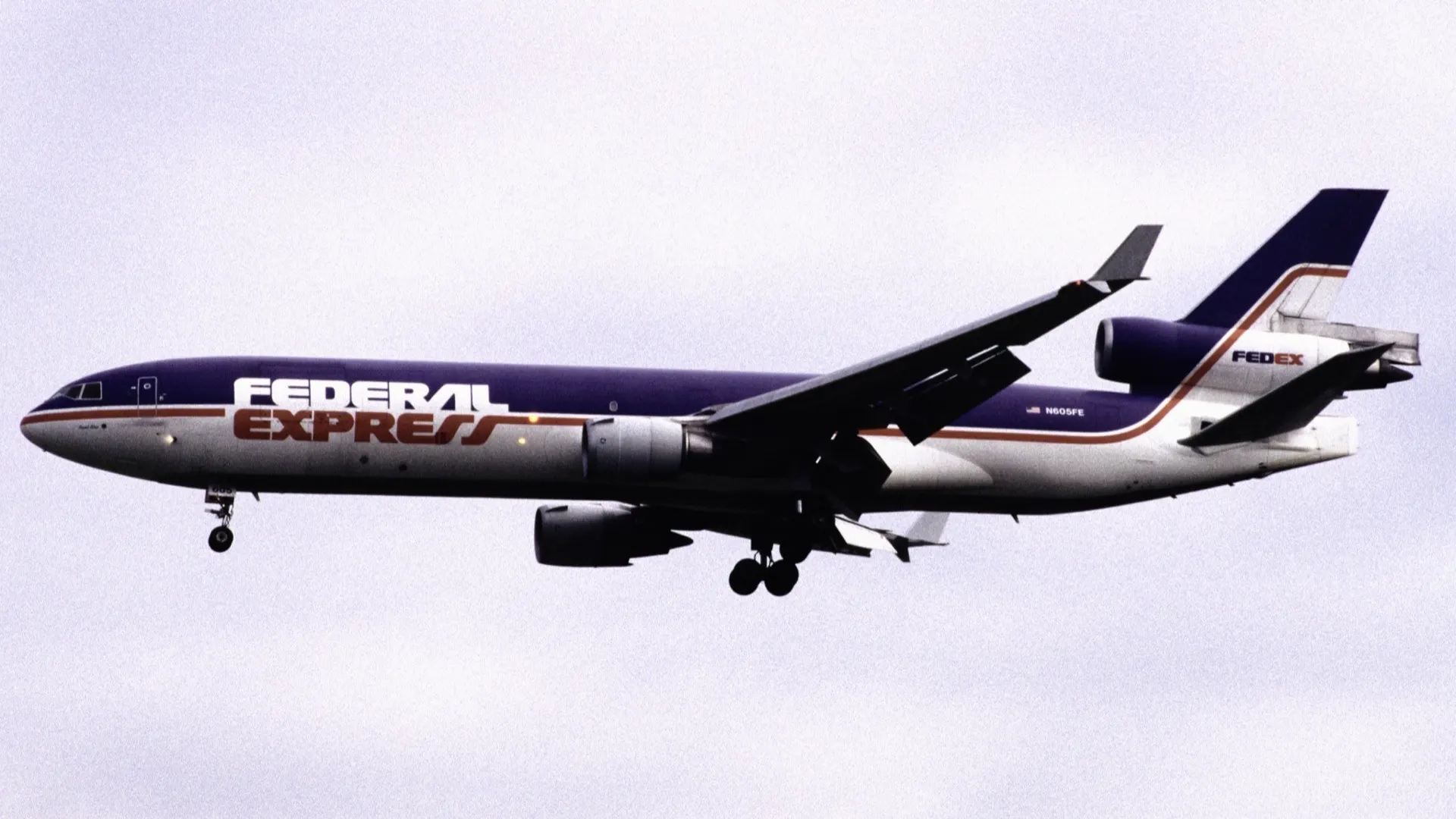
A FedEx cargo jet overran a runway at Miami International Airport on the evening of Nov. 25, disrupting flights on Thanksgiving Eve. The McDonnell Douglas MD-11 had flown from Memphis, and FedEx said its crew was safe. The Associated Press reported that there were no reports of injuries and that the Federal Aviation Administration was investigating.
By Thanksgiving morning, Miami International Airport said three of its four runways had reopened, with the runway involved in the incident still closed at the time of that update. The airport warned of lingering effects on flights, as USA Today reported that morning. The FAA’s advisories show how those delays could reach much farther than South Florida.
The FAA switched from a ground stop to a wider delay program
| FAA record | Signed in Miami time, Nov. 25 | What it shows |
|---|---|---|
| Advisory 022 | 9:11 p.m. | Miami-bound departures from eight control centers were subject to the stop. The FAA listed runway 27 as the only operating runway. |
| Advisory 027 | 10:03 p.m. | The agency extended the ground stop. It flagged a possible change to a ground delay program. |
| Advisory 029 | 10:16 p.m. | The FAA recorded the stop’s cancellation and listed a wider ground delay program that included the contiguous United States and six Canadian airports. |
The table converts the advisories’ signature times from UTC to Eastern Standard Time. The FAA labels the notices Nov. 26 because it was already after midnight UTC. It was still Wednesday evening in Miami. The signature time identifies the version of a notice; the start and projected end of the program appear in separate fields. Advisory 022, Advisory 027 and Advisory 029 document the sequence.
A ground stop holds covered flights at their departure airports. A ground delay program meters arrivals by assigning later departure slots to affected flights. In advisory 029 the FAA initially listed a Miami arrival rate of 20 per hour. It gave an average programmed delay of 214 minutes, or 3 hours 34 minutes, and a maximum of 352 minutes, or 5 hours 52 minutes. Those figures describe that program’s assignments and estimates. They do not measure every passenger’s actual delay or identify how many flights were canceled.
What to check if your flight was affected
Use the airline’s notice about your own reservation. The Miami airport flight page is useful for checking the airport board and for finding the airline if your trip is part of a connection. It cannot show every option on an individual ticket. If a reservation lists an alternative itinerary, compare the new destination arrival time with the original before deciding whether to travel.
Under the U.S. Department of Transportation’s refund rules, a traveler is entitled to a refund after a cancellation or significant change when they decline the alternative and do not take the transportation offered. The agency includes a scheduled arrival at least three hours later on a domestic itinerary or six hours later on an international one among its definitions of a significant change. The FAA’s airport-average delay is separate from the change to your booking. For context on how that distinction works, see Newsmerica’s guide to FAA ground stops and passenger refunds.
The FAA records identify the immediate reason for the flight restrictions as a disabled aircraft. The cause of the runway overrun itself remains under investigation. A separate September runway excursion at Miami involved a different carrier and aircraft, documented in an NTSB investigation update. The two incidents have separate evidence records. For later changes in air traffic restrictions, check the FAA’s current airspace status.
Trust & transparency
How we handled this story
Newsmerica checked FAA advisories 022, 027 and 029, the airport’s update as reported by USA Today, AP’s attributed account and the DOT refund rules.

Grounded in this reporting
Ask Newsmerica
Ask about this article. Answers quote the closest published passages and link back to their sources.
This tool retrieves article passages; it does not add outside facts.Keep exploring