U.S. jury finds Huawei guilty on 10 counts and acquits it on two
A Brooklyn jury convicted Huawei on 10 of 12 counts. The company’s lawyer said it plans to appeal. Here is what the verdict decided.
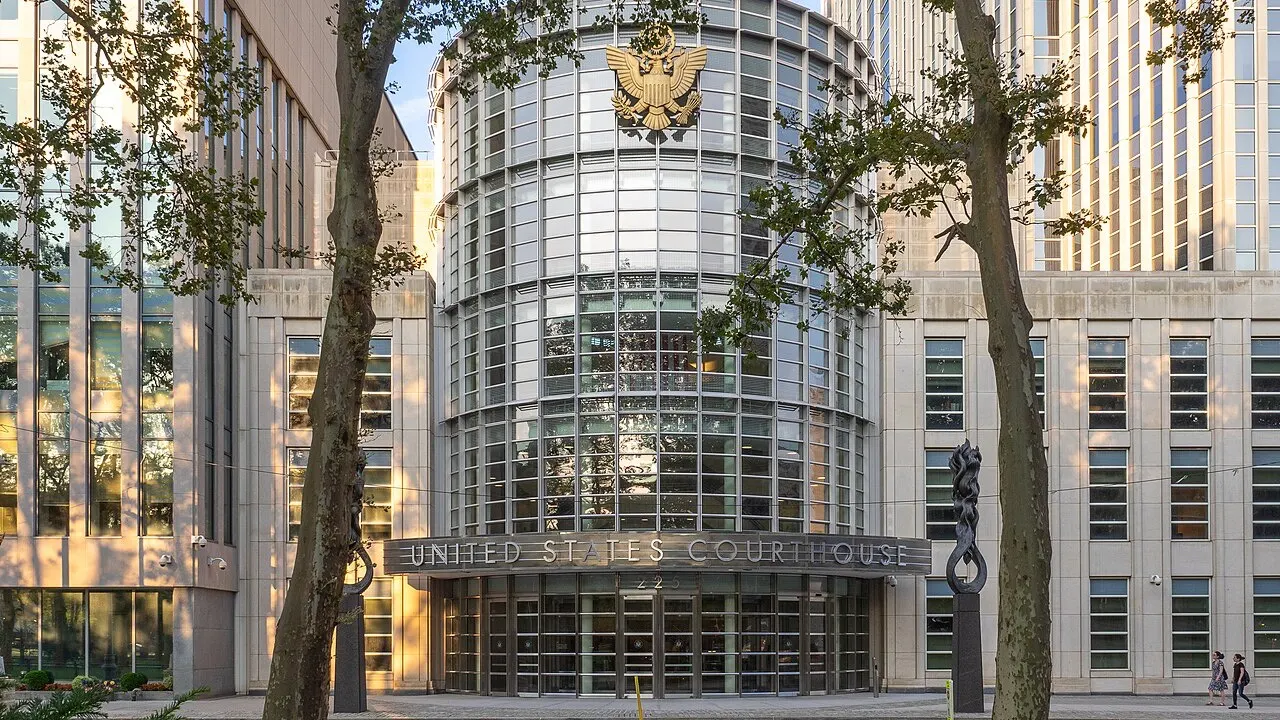
A federal jury in Brooklyn found Huawei Technologies guilty on 10 of 12 counts on Nov. 24 in a case involving trade secrets, bank fraud and dealings subject to U.S. sanctions. The jury acquitted the Chinese telecommunications company on two conspiracy charges. Huawei’s lawyer told reporters the company plans to appeal. The Justice Department says sentencing is scheduled for September 2027.
The U.S. attorney’s office in Brooklyn confirmed guilty verdicts against Huawei and three subsidiaries after about three months of trial. The Associated Press reported the 10-of-12 count for Huawei Technologies and identified the two acquittals as racketeering conspiracy and conspiracy to obstruct justice. The count total refers to the parent company as reported by AP. Individual subsidiary verdicts should be read against their own entries in the court record.
What the jury decided
| Part of case | Result or status |
|---|---|
| Trade secrets, fraud, sanctions and money laundering | DOJ confirmed convictions involving these categories in the corporate case |
| Racketeering conspiracy | Huawei Technologies acquitted, AP reported |
| Conspiracy to obstruct justice | Huawei Technologies acquitted, AP reported |
| Next court steps | Sentencing remains ahead, and Huawei’s lawyer has stated the company’s intention to appeal |
The verdict has consequences on both sides of the table. The convictions establish criminal liability on the counts that the jury sustained. The acquittals ended the government’s attempt to convict Huawei on two separate charges, including its allegation of a racketeering conspiracy. A description of the outcome that uses only the oldest indictment’s headline can miss both results.
The Justice Department’s verdict release says the case involved false statements to banks and Huawei’s dealings in Iran. The government said Huawei misrepresented its relationship with Skycom, a business it described as a Huawei subsidiary. The trade-secrets side of the prosecution addressed alleged efforts to obtain technology from U.S. companies. DOJ described the categories and defendants in its announcement. A count-by-count account would require the verdict form identifying the results for each entity.
How the case changed between indictment and verdict
The 2019 charging announcement centered on alleged financial fraud and the company’s business in Iran. A superseding indictment announced in 2020 added racketeering and trade-secret allegations. Those records establish what prosecutors alleged as the case developed. Tuesday’s verdict establishes the trial outcome, and the government did not prevail on the racketeering conspiracy charge.
The trial addressed corporate defendants. Huawei’s chief financial officer, Meng Wanzhou, had previously been charged in the case and reached a separate agreement. She was not an individual defendant convicted on Tuesday. Huawei attorney Brian Heberlig told reporters the company intended to appeal and emphasized the significance the defense placed on the acquittals. The court docket is the source for the date and scope of any appeal filing.
What U.S. telecom customers should take from the verdict
Huawei equipment already appeared on the FCC’s Covered List before Tuesday’s verdict. That list concerns communications equipment and services covered by the FCC’s rules. The Brooklyn prosecution examined conduct under federal criminal law. Both records concern the same company, but penalties in the criminal case and equipment restrictions come from different authorities and follow different procedures. The verdict supplies no new FCC purchasing rule in the documents reviewed for this story.
Federal prosecutors say the corporate defendants face fines, forfeiture and restitution. A fine is a monetary penalty, forfeiture concerns property subject to forfeiture under the judgment, and restitution addresses qualifying losses. Those potential consequences are separate from each other. The verdict supplies no final amount. The judgment and sentencing papers will provide a firmer basis for assessing the financial effect.
For the case itself, the next records to watch are court orders and motions ahead of sentencing, the judgment, and any appeal. For equipment rules, the operative records remain the FCC’s decisions and updated list. Newsmerica’s Tech & AI coverage follows related developments in U.S. technology regulation.
Trust & transparency
How we handled this story
Newsmerica checked the Eastern District of New York and DOJ verdict releases, the earlier indictments, AP’s court reporting and the FCC Covered List.

Grounded in this reporting
Ask Newsmerica
Ask about this article. Answers quote the closest published passages and link back to their sources.
This tool retrieves article passages; it does not add outside facts.Keep exploring