Federal judge limits Brooke Rollins’ religious messages to USDA staff
A preliminary injunction limits the agriculture secretary’s religious communications with staff. The judge relied on USDA’s own workplace guidance.
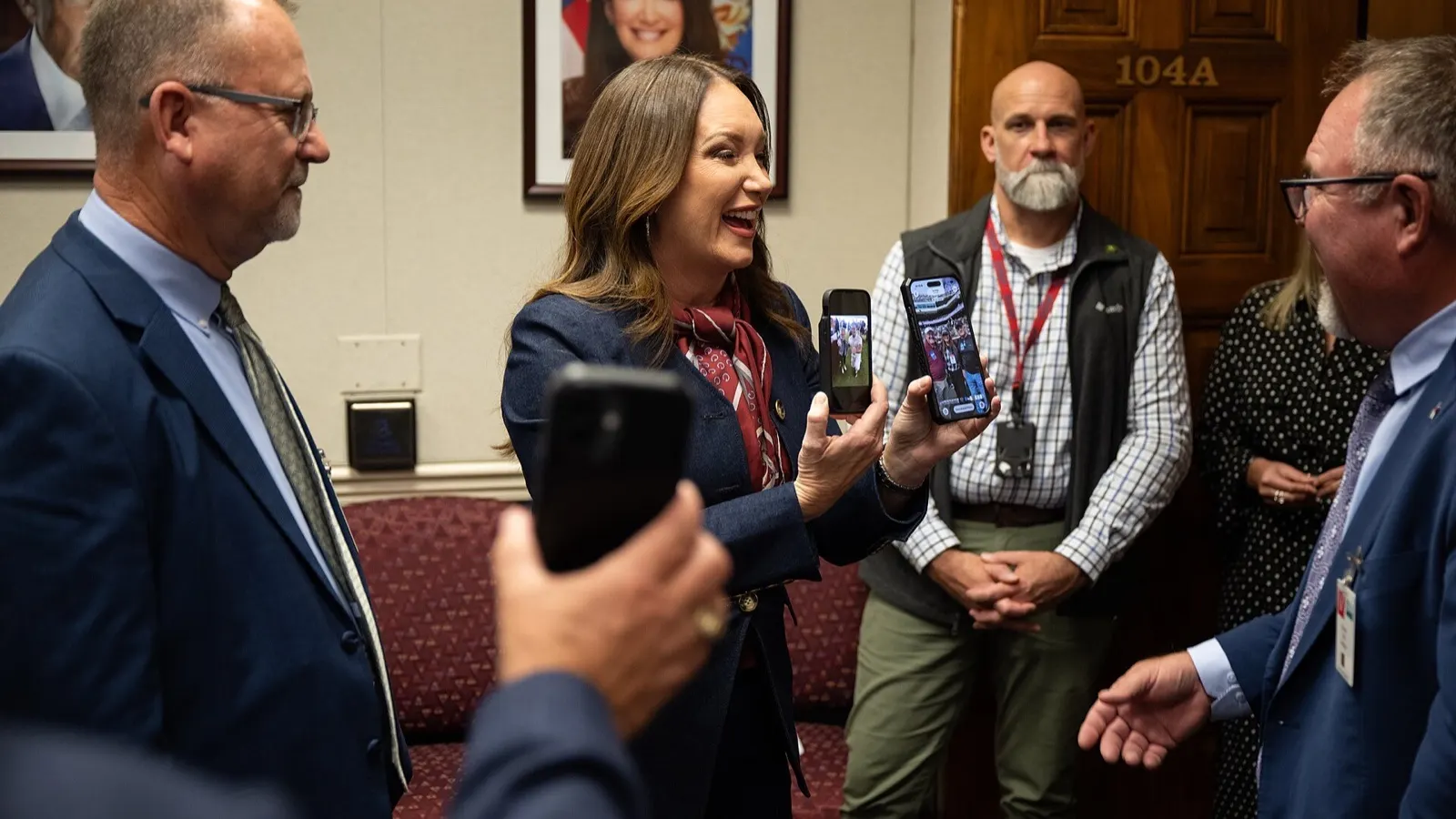
A federal judge has placed limits on how Agriculture Secretary Brooke Rollins can communicate religious messages to employees of the U.S. Department of Agriculture. In a Nov. 19 preliminary injunction, U.S. District Judge Trina L. Thompson said two agency-wide holiday messages crossed a constitutional line because they put pressure on employees to conform to the secretary’s religious beliefs.
The judge drew the operative limits from USDA’s own workplace guidance. Rollins can discuss her faith with interested colleagues, the order says, while limits apply when she uses official authority to pressure subordinates. The order treats the sender’s authority, the delivery channel and the language of the messages as important. It leaves the constitutional lawsuit pending.
Which messages were at issue
The case was brought by six USDA employees and the National Federation of Federal Employees. The court described several messages from Rollins’ official account, including Independence Day and Thanksgiving emails in 2025. In its conclusion, the court singled out the Dec. 23, 2025, Christmas message and the April 5, 2026, Easter message.
Judge Thompson concluded that the Christmas and Easter messages went beyond personal expressions of faith. The order describes messages sent to employees through an official channel and phrased around a faith presented as shared. The Easter message went further by using religious language to describe a common mission for the staff.
The context matters because employees receive work instructions from the office that sent the emails. Thompson wrote that USDA did not offer an opt-out and that individual relief for the employees who sued would be hard to design without addressing the broader distribution. The judge considered whether the communications created pressure to acquiesce even without a formal requirement that employees respond.
The court record traces the case from the May 13 complaint through an October 27 hearing on the motions. The employees asked for an injunction in July, and the government asked the court to dismiss the case in August. The November order answers both requests. The judge’s discussion of the two holiday messages is part of the reasoning for that interim order.
What USDA’s own memo says
USDA announced its workplace religious expression guidance in November 2025. The memo recognizes that employees can talk about their beliefs, share why their faith is meaningful, and invite interested colleagues to services or events. It also puts obligations on employees and supervisors when expressions are unwelcome or an official uses authority over someone else.
The court incorporated those limits into the order. It directs the secretary to stop if a colleague asks her to stop, avoid persistently unwelcome conduct that creates a hostile work environment, and refrain from using official authority to pressure subordinates. The order identifies religious discussions with interested colleagues, polite invitations and appropriate conversations as permissible.
Those examples help define the difference the judge saw. A colleague who freely joins a conversation can engage with or leave it. Agency-wide messages from the person who runs the department reach workers through the same official channels they use for job-related information. The order also expressly leaves open what the secretary may do in her personal capacity.
What is still before the court
The plaintiffs brought an Establishment Clause claim under the First Amendment and two claims under the Administrative Procedure Act. Thompson granted the preliminary injunction on the constitutional claim and allowed that claim to proceed. She dismissed the administrative-law claims. Both rulings are in the same document, even though they have different practical effects.
The preliminary order sets terms while the case continues. The plaintiffs persuaded the court that they were likely to succeed on their constitutional claim under the standard for interim relief. A final judgment would resolve the remaining claim on a fuller record or through another disposition. The order leaves that question for later.
A USDA spokesperson told The Associated Press that the agency objected to the order and was considering an appeal. That response describes the agency’s position after the ruling. A filed appeal, a request to pause the order or a later ruling would be separate events. Until there is another court action, the operative document is the Nov. 19 injunction.
For USDA workers, the immediate question is how future department-wide communications will read under those terms. The court’s reasoning makes the circumstances of a message relevant. The workplace policy’s distinction between an interested colleague and a subordinate receiving official communications is more informative than a blanket description of the case as a restriction on religious speech.
Trust & transparency
How we handled this story
ECF 59 documents the preliminary relief and dismissal of APA claims. USDA’s 2025 guidance and the spokesperson response reported by AP supply policy and agency context.

Grounded in this reporting
Ask Newsmerica
Ask about this article. Answers quote the closest published passages and link back to their sources.
This tool retrieves article passages; it does not add outside facts.Keep exploring