Court extends pause in Venezuela TPS case, replacing Nov. 20 deadline
The Ninth Circuit extended its pause in the Venezuela TPS case until seven days after it publishes judgment. A separate Supreme Court request is pending.
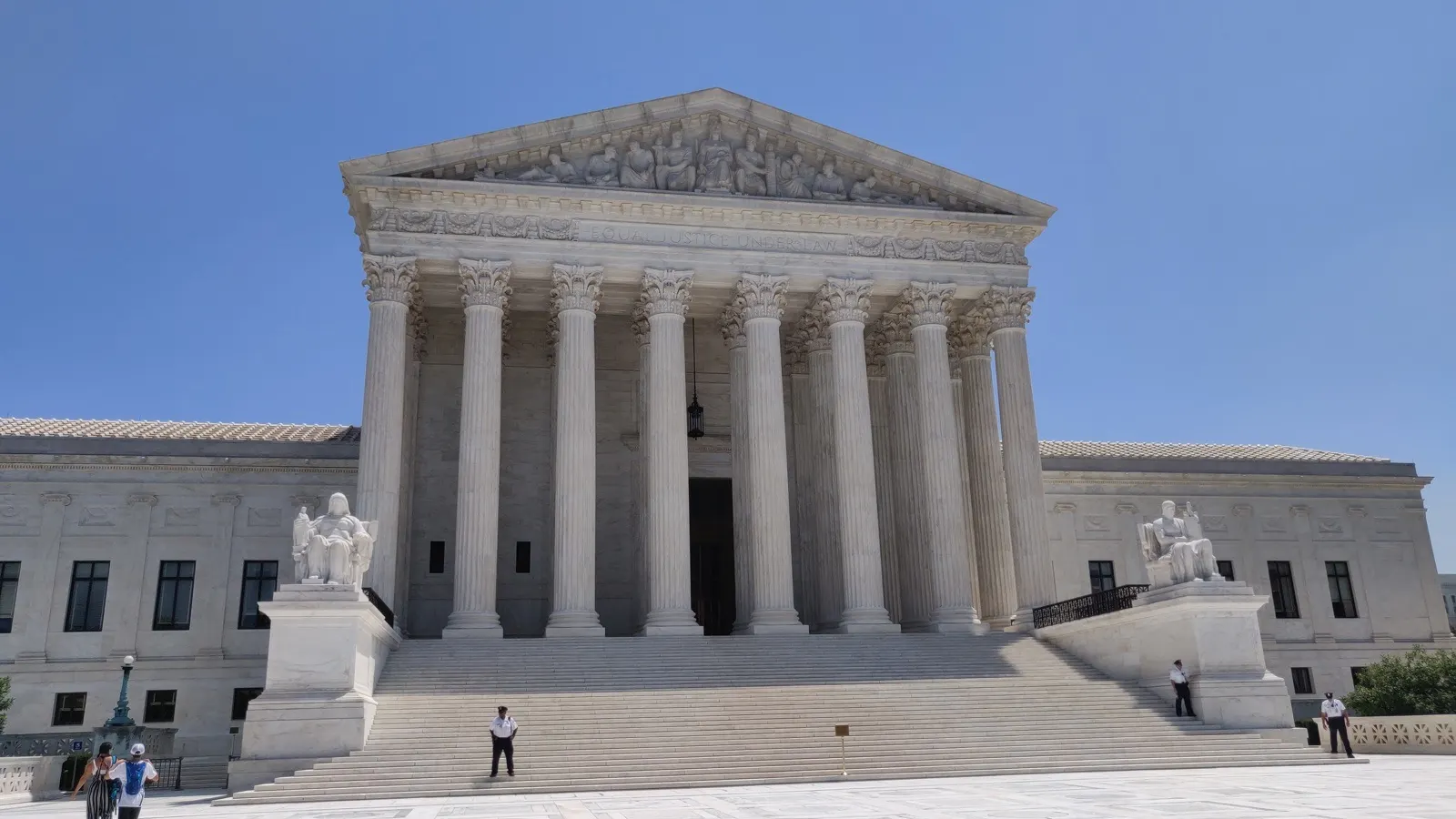
A federal appeals court has extended a pause on a ruling that would set aside the termination of the 2023 Temporary Protected Status designation for Venezuela. The Ninth Circuit’s Nov. 18 order says the pause will expire seven days after the court publishes its judgment. That replaces the countdown that had pointed to Friday, Nov. 20.
The move came the same day the Trump administration asked the Supreme Court to put the underlying district court ruling on hold. The two courts are handling different questions. The Ninth Circuit has already extended the pause. The administration’s application asks the Supreme Court to impose its own stay, which could keep the district court ruling from taking effect for longer.
For Venezuelans waiting to find out whether the ruling will change their protection from removal or their ability to work, the most immediate consequence is simple. Friday is no longer the date on which the Ninth Circuit’s existing pause is due to lift. Its replacement depends on a judgment the court has yet to publish.
Why Nov. 20 was on the calendar
In its Nov. 3 order, the Ninth Circuit granted a 14-day administrative stay starting when the Supreme Court issued its judgment to the appeals court. That happened Nov. 6. Counting forward 14 days put the end of the original stay on Nov. 20. The government’s emergency filing itself cites that date.
The Nov. 18 order changes the event that starts the clock. The seven days now run from publication of the Ninth Circuit’s own judgment in the consolidated appeals. The court’s one-page order gives no date for publication. An opinion or announcement from another court does not start that seven-day clock.
That distinction also explains how to read the federal filing alongside the appeals court order. The filing describes the deadline that was in place when the government asked for emergency relief. The Ninth Circuit’s later order supplies the controlling timetable for its own pause. Any separate Supreme Court order would have to be read alongside it.
The earlier order followed the Supreme Court’s October decision to vacate a previous appellate judgment and send the case back for another look in light of a related TPS ruling. The resulting proceedings matter because a ruling that is paused can still exist on paper. Whether the government has to follow it now turns on the orders governing the pause.
What the administration is asking the Supreme Court to do
The litigation centers on the Department of Homeland Security’s termination of Venezuela’s 2023 TPS designation. In September 2025, a federal judge in San Francisco set aside that termination. The current dispute is about whether that district court judgment can take effect while appeals continue.
The administration argues that after a related Supreme Court decision, the federal government is likely to prevail and should be allowed to carry out its decisions in the meantime. Its filing seeks a stay pending the appellate process and asks for a shorter administrative pause while the justices consider the request. The Supreme Court docket listed the application as submitted to Justice Elena Kagan when Newsmerica checked it on Nov. 19.
Lawyers for the National TPS Alliance argue that the justices should let the appeals court finish its work. They point to the disruption that loss of protection and work authorization can cause for beneficiaries and their families. Neither the Ninth Circuit’s brief scheduling order nor the government’s application resolves that larger dispute.
What beneficiaries and employers should watch
TPS can protect eligible people from removal and allow them to apply for work authorization. The government’s application says the termination of Venezuela’s separate 2021 designation is outside this case. The district court judgment at issue addresses the 2023 designation. A person’s designation, documentation and eligibility matter. The new court order sets the timing of the litigation. It does not itself issue a work permit or settle any individual’s employment eligibility.
For workers and employers trying to make sense of messages about Nov. 20, the useful distinction is between the date an appellate stay expires and the date on an individual’s documents. They answer different questions. A news report about a court deadline cannot establish whether a particular employment authorization document is valid. The USCIS page for Venezuela TPS is where the agency posts country-specific instructions. Someone who needs to make a decision about their own status can bring their documents and designation history to a qualified immigration attorney or accredited representative.
The next two records to watch are the published Ninth Circuit judgment and any order on Supreme Court docket 26A714. The first starts the seven-day countdown under Wednesday’s order. The second could change what happens when that countdown runs out. Even after the court publishes a judgment, its outcome and any other stay will matter before readers can tell what actually changes.
Newsmerica has also covered USCIS’s proposed changes to how it treats prior H-1B approvals, a separate immigration issue with its own timetable.
Trust & transparency
How we handled this story
The Nov. 3 and Nov. 18 Ninth Circuit orders, the Supreme Court docket and the government’s filing establish the timeline and procedural status. The challengers’ position is attributed to their counsel.

Grounded in this reporting
Ask Newsmerica
Ask about this article. Answers quote the closest published passages and link back to their sources.
This tool retrieves article passages; it does not add outside facts.Keep exploring