Trump tells Americans to “relax” over outages. What did the grid orders do?
Trump’s Fox News interview brought together technology outages and grid concerns. Federal records show what the August and November orders covered.
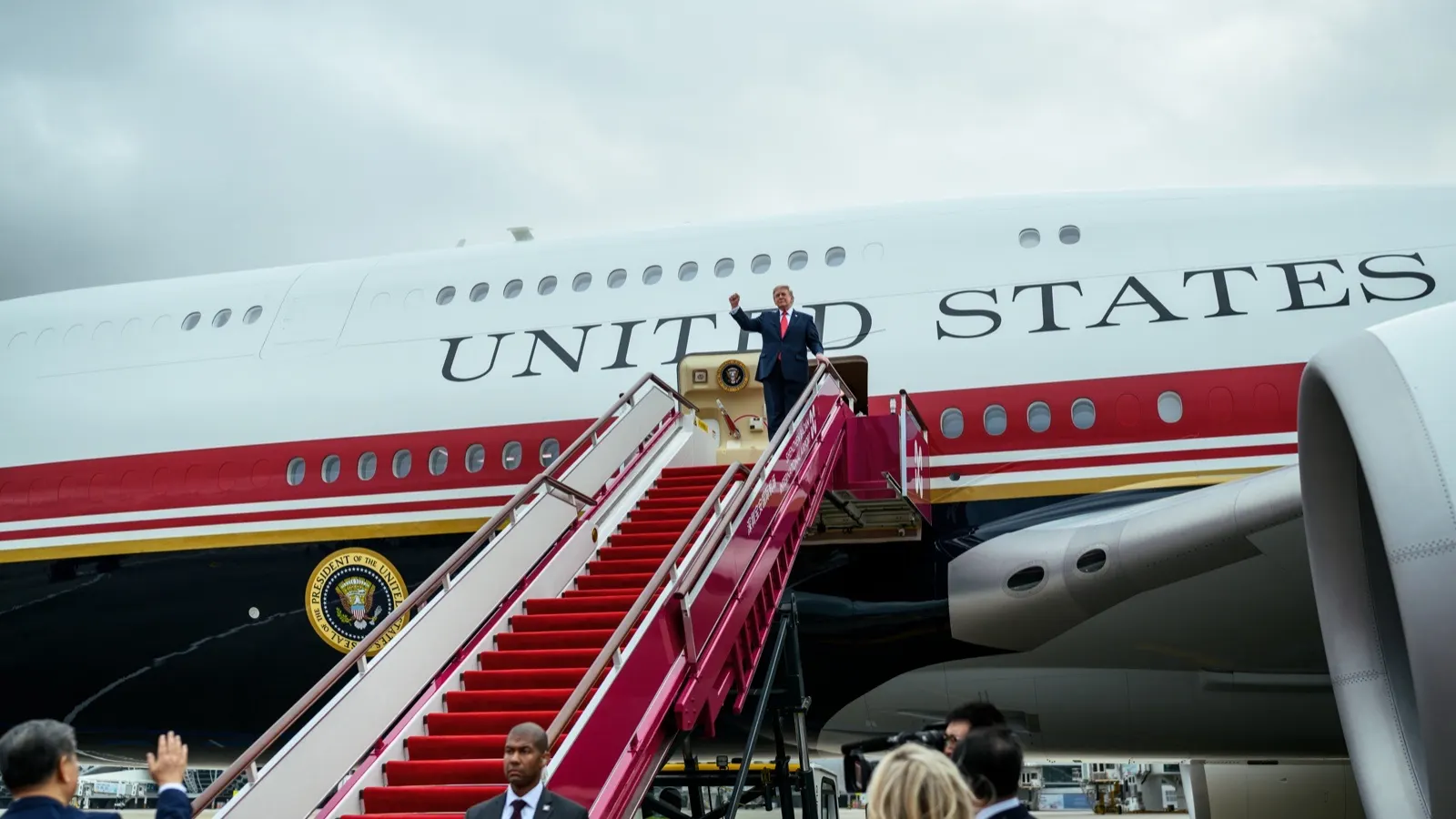
Donald Trump told Americans to “relax” after a Fox News correspondent asked about people buying extra food and water in response to technology outages and a national emergency declaration concerning the electrical grid. In the interview from Shenzhen, which aired Wednesday evening in the United States, Trump said the disruptions were “individual events.”
The question brought together a national order on grid equipment, recent technology failures and household emergency planning. Those topics have different timelines and different official sources. Federal aviation officials have published an explanation for the ground stop discussed in the interview. The electrical equipment order, meanwhile, dates to August. A separate November order concerns electric generation in the Mid-Atlantic.
What the August grid order covers
Trump issued Executive Order 14421 on Aug. 26. It declares a national emergency concerning the foreign supply of equipment used in the bulk electrical system. The Energy Department’s explanation says the order authorizes restrictions on certain purchases, imports, transfers or installations of foreign-produced equipment when officials make the required findings about national security risk.
The date and subject of the order are useful for understanding the interview. It addresses the equipment supply chain and predates the November outages that prompted the question. For an outage affecting your home or business, your electric utility and local emergency office are the sources for the location, expected restoration time and any instructions.
A separate Energy Department order, effective Nov. 18 through Dec. 31, allows grid operator PJM to use a Maryland generating unit to help meet anticipated demand. The department described it as a regional reliability measure following an October request from PJM. The two orders have distinct roles. One gives officials tools to address certain foreign equipment transactions. The other gives a grid operator temporary access to a specific generating unit.
What the FAA said about its November disruption
The FAA’s questions and answers about its nationwide ground stop says a communications network problem made legacy equipment unstable. The agency said that available evidence gave it no indication of a cyberattack or outside actor in that incident. That is the agency’s published assessment of the aviation disruption. It establishes what the FAA could say about its own network at the time.
Newsmerica’s separate report on the ground stop explains the effect on travelers. For an airline passenger, the most relevant updates are the agency’s operating advisories and the airline’s status for an individual flight. For a bank or software outage, look for a statement from the operator identifying the affected service, the time it went down and any cause it has confirmed. Those records are more specific than a presidential interview discussing several incidents at once.
Anadolu’s account of the interview also reports that Trump described the outages separately. His answer offered reassurance in response to the question. Verifying a cause for any other disruption still depends on what the organization that runs the affected service, or an investigating authority, has documented.
What federal guidance says about keeping supplies
The federal Ready.gov guide to building an emergency kit advises households to keep basic supplies for several days. It includes water at one gallon per person per day, food that can be stored without refrigeration, and essentials such as a flashlight and batteries. A three-day supply for a household of four would mean 12 gallons of water using that guideline. Households can also account for medications, pets and anyone with specific care needs.
If the lights go out, start with the time and location
A short power interruption calls for different decisions from an outage that lasts overnight. Write down when power went out if you can and keep refrigerator and freezer doors closed. The Food and Drug Administration’s guidance estimates that an unopened refrigerator keeps food cold for about four hours. A closed full freezer can hold its temperature for about 48 hours, compared with 24 hours for one that is half full. Those are estimates, and the FDA guide explains how to use a thermometer and decide which perishable food to discard after power returns.
The same timeline helps with other planning. A utility update can tell you whether a problem affects a single neighborhood and when the next restoration estimate is due. That information can help a household decide whether to make arrangements for medications that need refrigeration or devices that need electricity. The public texts cited in the interview concern federal powers and system reliability. Outage decisions at home depend on the conditions at your address.
That advice is for routine preparedness across hazards such as severe weather and local power cuts. It was already in place before the interview. Newsmerica’s guide to the recent national emergency alert test explains which channels can carry public alerts. When an emergency is active, follow the order or instructions issued for the affected area.
Trust & transparency
How we handled this story
Verified the interview wording against the broadcast transcript and Anadolu. The August executive order, November DOE order and FAA account describe separate matters. Ready.gov provides routine household preparedness guidance.

Grounded in this reporting
Ask Newsmerica
Ask about this article. Answers quote the closest published passages and link back to their sources.
This tool retrieves article passages; it does not add outside facts.Keep exploring