Palo Alto Networks agrees to buy Applied Compute for $4.5 billion
Palo Alto Networks signs a $4.5 billion stock deal for Applied Compute. Check the SEC terms, closing conditions and AI plans.
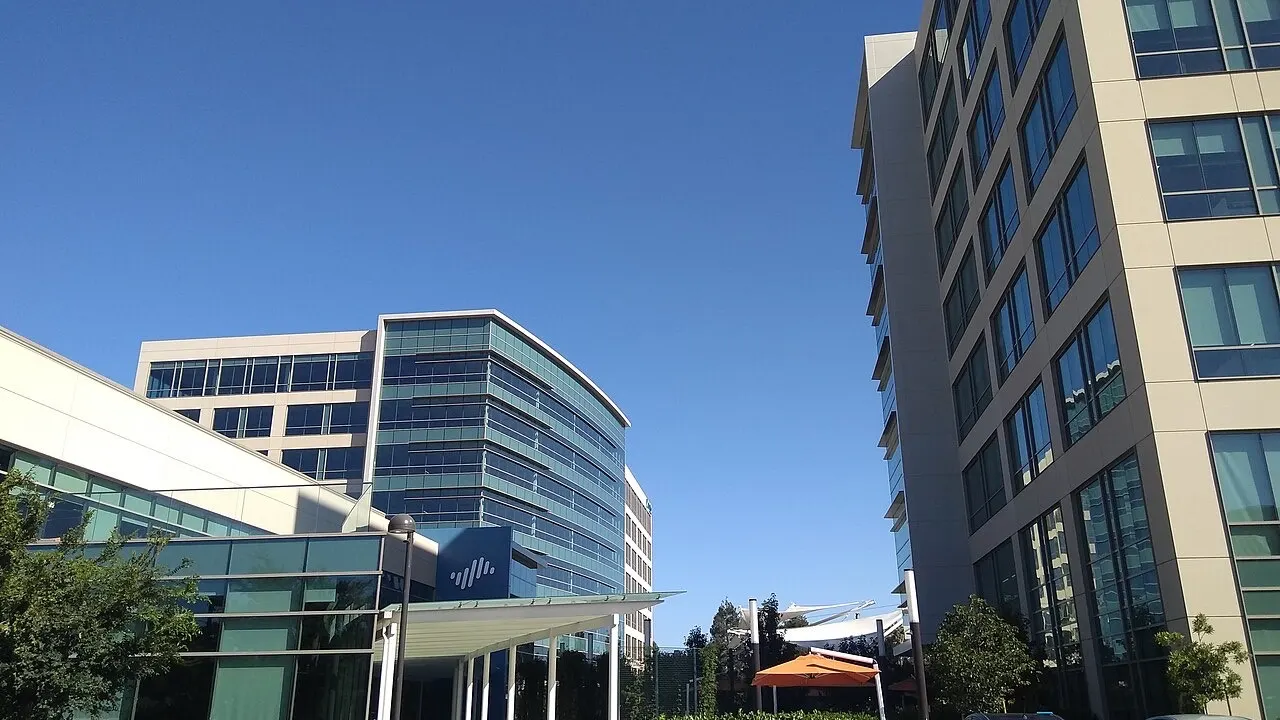
Palo Alto Networks has agreed to acquire Applied Compute in a $4.5 billion stock transaction, expanding the cybersecurity company’s plans to help businesses adapt and deploy open-weight artificial intelligence models. The agreement was signed November 18 and remains subject to closing conditions.
The company’s SEC filing specifies stock consideration subject to adjustments. In its acquisition announcement, Palo Alto Networks said the combination would bring Applied Compute’s post-training and inference platform into its enterprise AI offering.
For customers and investors, the immediate development is a signed agreement. The transaction’s completion, the integration of the businesses and the delivery of proposed capabilities are later milestones, each requiring its own evidence.
What the filing establishes about the price
The agreement covers Applied Compute’s outstanding stock, warrants and other rights to acquire or receive equity. The stated total consideration is $4.5 billion, payable in Palo Alto Networks common shares and subject to adjustments.
The filing says the share calculation uses a $337.16 price, based on a 15-trading-day volume-weighted average ending November 17. It also explicitly says the number of shares to be issued is not yet known.
Those qualifications matter. Dividing the headline value by the reference price can produce a rough arithmetic figure, but it would not establish the final issuance. Adjustments and the agreement’s terms determine the result at closing. The filing is the stronger guide than an estimate presented without those limits.
An all-stock agreement also differs from a cash acquisition. Readers should keep the form of payment visible when assessing the transaction and any future disclosure of the shares actually issued.
Closing is projected for fiscal Q3 2027
Palo Alto Networks expects the acquisition to close during its third fiscal quarter of 2027, subject to customary conditions and regulatory clearance. The SEC record also identifies the applicable antitrust waiting period as one of the conditions to completion.
A projected fiscal-quarter close is a company expectation. It should not be read as a completed transfer of ownership or as a guaranteed date. A later closing announcement or filing would establish when the transaction actually finished.
- Agreement. The parties have signed the transaction terms.
- Conditions. Regulatory clearance and other closing requirements remain relevant.
- Completion. A closing disclosure would confirm that the acquisition has been consummated.
- Integration. Product availability, support arrangements and customer obligations require their own announcements.
What Applied Compute would add
The acquisition announcement describes Applied Compute as a platform for post-training and inference of open-weight models. Post-training concerns adapting a model after its initial training. Inference is the process of running a model to generate outputs.
Palo Alto Networks says the combination would help enterprises train, adapt and deploy these models across public-cloud and sovereign environments. It also plans to use the team’s research expertise across its own AI offerings. These are the company’s stated intentions, rather than independently tested performance results.
The company says Applied Compute would continue serving its existing types of customers. Yash Patil, Applied Compute’s co-founder and chief executive, is expected to become Palo Alto Networks’ co-chief AI officer after the transaction closes.
Open weights do not resolve every deployment question
Access to model weights gives a business a different deployment option from using a hosted model through a service. It can still leave questions about the model’s license, the infrastructure it runs on, access to company data and responsibility for maintaining the system.
The deal’s security rationale therefore needs to be assessed at the level of the product and contract offered to a customer. A broad commitment to secure AI does not, by itself, specify where every dataset will be stored or who can access every deployment.
Likewise, a sovereign-cloud description should be checked against the actual service’s geography, operators, technical controls and legal terms. Businesses with specific obligations need those details for their own proposed setup.
A practical checklist for an enterprise buyer
The announced strategy raises useful questions for a procurement or security team evaluating a future offering. These questions help turn a transaction announcement into a concrete assessment of what would change for the organization.
- Data. Which information is used for post-training, where is it processed and what retention rules apply?
- Access. Who can inspect training inputs, model outputs and operating logs? How are permissions administered?
- Operations. Who applies updates, investigates incidents and supports a deployment if something fails?
- Evidence. Which controls and performance claims have been documented or independently evaluated for the offered product?
- Transition. Would an existing customer’s contract, support channel or deployment arrangement change after closing?
These are review questions derived from the announced use cases. They are not findings that either company lacks a particular control. The answers should come from the specific offering and customer agreement once those are available.
The next evidence to watch
Follow regulatory and closing disclosures, then look for dated product documentation and customer-transition notices. Those records will show whether the expected timeline and integration plans have become actual events.
Newsmerica’s Java patch and deployment guide illustrates why an organization’s actual configuration matters in security work. Further company and AI developments appear on the Tech & AI desk.
Trust & transparency
How we handled this story
Newsmerica checked the original records linked in this story. Reported facts, proposals, forecasts and calculations are distinguished in the article.

Grounded in this reporting
Ask Newsmerica
Ask about this article. Answers quote the closest published passages and link back to their sources.
This tool retrieves article passages; it does not add outside facts.Keep exploring