China publishes four-point declaration after Trump–Xi–Putin meeting
Read the four points in the Shenzhen declaration and what the published text leaves unresolved.
Updated November 19, 2026, with the declaration published after the Shenzhen meeting. Newsmerica first published this story on November 16.
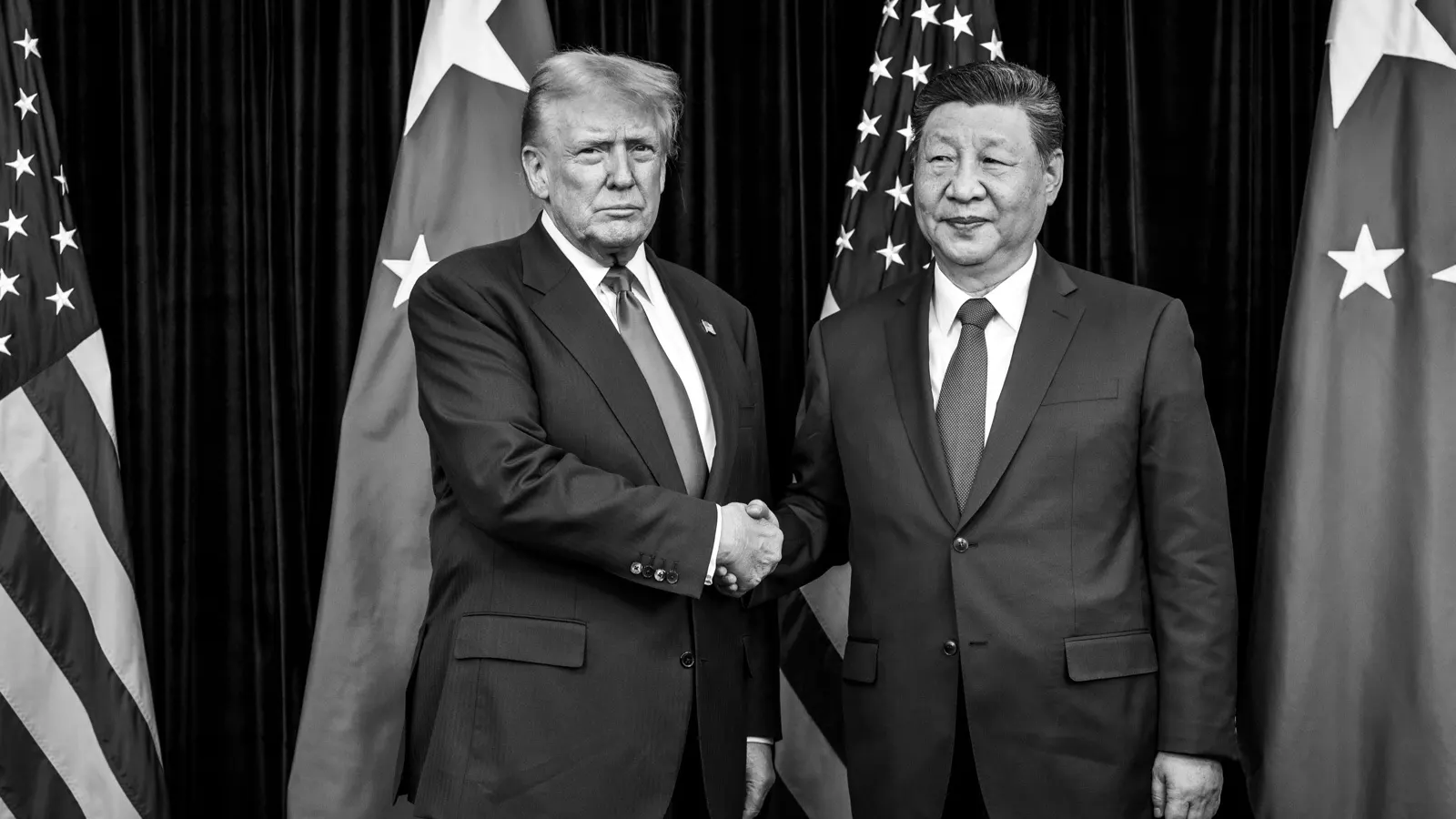
China published a four-point declaration Thursday after President Donald Trump met Chinese President Xi Jinping and Russian President Vladimir Putin in Shenzhen. The text outlines commitments on the United Nations, petroleum supplies, state-official immunities and nuclear-risk dialogue.
The declaration published by Xinhua, China’s state news agency, says the three leaders discussed the international situation and committed to strategic stability and international security. Reuters reported that China and Russia released the statement following the meeting.
For U.S. readers assessing the outcome, the most useful distinction is between the commitments in the published document and the steps required to implement them. The text provides four broad positions, with limited operational detail.
Four commitments in the published text
- United Nations reform. The declaration commits the three countries to reforming the U.N. so it can respond more effectively to global challenges and its peace-and-security mission.
- Petroleum supplies. It says the countries plan to increase production and supply of refined petroleum products and affirms the importance of stable energy flows.
- Immunities and jurisdiction. It emphasizes state consent and state-official immunities, and states a position against abuse of jurisdiction by the International Criminal Court and similar bodies.
- Nuclear risks. It reaffirms opposition to nuclear war and says the countries will conduct dialogue on reducing nuclear risks and preventing proliferation.
These points are attributed to the published declaration. They should be evaluated alongside any subsequent national readouts, announcements and implementation records, rather than expanded into agreements the text does not contain.
The energy pledge leaves quantities and timing open
The petroleum point is relevant to readers following energy costs, but it does not specify additional production volumes, delivery dates or a mechanism assigning responsibility among the three countries. It also does not specify a retail fuel-price outcome.
A useful follow-up would identify what each country plans to add, which products are covered and when any extra supply is expected to reach buyers. Without those inputs, a precise calculation of the declaration’s effect on U.S. gasoline prices would go beyond the published evidence.
Production, delivery and the price a consumer ultimately pays are distinct stages. A declaration of intent can set a direction for further work, while measurable progress would require subsequent records showing what changed.
Nuclear dialogue needs its own next steps
The fourth point states a commitment to dialogue on nuclear-risk reduction and nonproliferation. It does not name a schedule, a negotiating forum, participants below the heads-of-state level or specific verification arrangements.
Those omissions identify practical questions for the next round of reporting. Watch for an announced meeting, an agenda and any agreed measures. A future statement that describes those steps would add information beyond the current commitment to hold dialogue.
The declaration should therefore be read at the level of detail it provides. A broad nuclear-risk position and a verifiable agreement containing operating procedures are different types of evidence.
Institutional changes require more detail
The U.N. point describes the objective of reform without identifying a particular institutional change, a timetable or a decision-making route. Readers assessing its significance should look for later proposals that specify what the countries intend to change.
The jurisdiction and immunity point likewise states a political position. The declaration does not set out an implementing legal instrument or a procedure changing how a particular court handles a case. Any such development would need to be checked against the relevant legal record.
Keeping these questions separate prevents a broad diplomatic statement from being treated as evidence of changes that have not been specified in it. The next evidence should identify the institution, proposed action and authority involved.
What changed from the original announcement
Newsmerica’s November 16 report concerned China’s announcement that the leaders would meet on November 19. This update adds the text published after that meeting, preserving the original article’s URL and first-publication date.
That chronology distinguishes a planned event from the outcome now available to inspect. The source of the outcome also remains visible — the original declaration is published by Chinese state media, with Reuters reporting on its release by China and Russia.
A future U.S. readout could add Washington’s account of the discussions. It should be compared with the existing document rather than assumed to say the same thing. Any material difference in scope or language would be relevant to understanding what each government says it agreed to.
How to judge progress after the summit
Use four questions when reading the next announcement. Does it identify a specific action? Does it name the party responsible? Does it set a date? Does it provide a way to check completion? Those questions turn broad commitments into milestones readers can follow.
For energy, that might mean a quantified supply announcement. For nuclear risks, it might mean a scheduled dialogue or an agreed procedure. For U.N. reform, it would require a specific proposal. Each needs its own source and timeline.
Follow Newsmerica’s Politics coverage for official diplomatic records and its Business desk for measured developments in energy and the economy. Further updates to this story will reflect substantive new records.
Trust & transparency
How we handled this story
The original declaration published by Xinhua and Reuters reporting on its release were checked. Commitments are attributed, implementation gaps are identified, and no completed treaty or fuel-price outcome is inferred. Original publication date and file-photo credit are retained.

Grounded in this reporting
Ask Newsmerica
Ask about this article. Answers quote the closest published passages and link back to their sources.
This tool retrieves article passages; it does not add outside facts.Keep exploring