Trump jokes about borrowing Jim Cramer’s line on Jensen Huang
Trump teased CNBC’s Jim Cramer about taking his phrase for Nvidia CEO Jensen Huang. The full interview shows what prompted the joke and how Cramer replied.
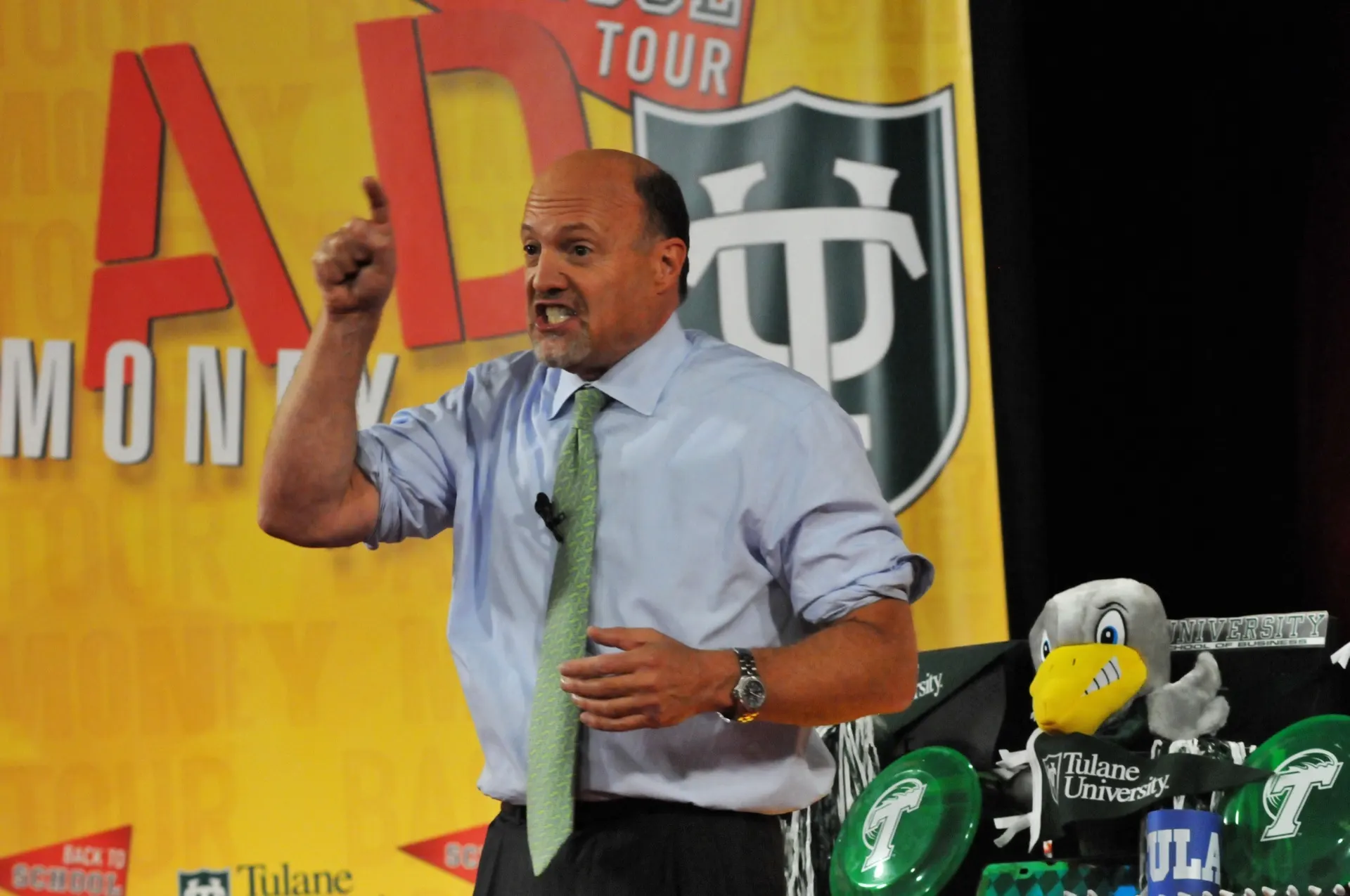
President Donald Trump joked on CNBC that he would borrow Jim Cramer’s description of Nvidia Chief Executive Jensen Huang and skip giving the host credit. Cramer said he was fine with sharing it. The exchange came during a Nov. 23 interview about why Nvidia’s board had brought back Huang, and why Trump said he had pushed for that outcome.
The joke followed a question from CNBC’s David Faber. He asked whether Trump believed his intervention had made Nvidia a national champion. Trump responded by emphasizing Huang’s personal expertise and recalling companies that struggled after replacing their chiefs. He then credited Cramer with calling Huang a “national treasure” and joked that he would take the phrase without crediting him in the future, according to CNBC’s full interview transcript.
Cramer replied, “I’m fine with sharing that one,” and went on to say he believed Huang had helped put the United States ahead of its rivals. He also said he welcomed the intervention and referred to the attorney general when discussing the national security questions raised during the interview.
What the exchange tells us about the interview
The question and answer centered on different points. Faber asked about the president’s role in the fortunes of a public company. Trump made his case around the value of keeping one executive in the job. Later in the interview Sara Eisen pressed him on where he drew the line for presidential involvement in corporate governance. Trump said he believed the intervention served the country.
The quip about taking Cramer’s phrase came later than a separate aside Trump made about the host while speaking with CNBC’s Eamon Javers. Cramer’s reply about sharing referred to the phrase about Huang. The transcript places it directly after Trump’s request to borrow the wording.
For how Nvidia’s leadership changed, see Newsmerica’s coverage of Nvidia’s board decision. The chip-policy discussion later turned to Trump’s forecast of a 200 percent tariff. The January proclamation and customs guidance set the narrower duty in effect today.
What Nvidia’s filings establish about the decision
The dates differ depending on whether readers look at the company’s public announcements or at its regulatory filings. Nvidia’s first Form 8-K says the board accepted Huang’s resignation on Nov. 11. The company announced the leadership change on Nov. 12 and named Chief Financial Officer Colette Kress interim CEO. Its second Form 8-K dates Huang’s reinstatement as president, chief executive and board member to Nov. 22. The public announcement followed on Nov. 23, the day Trump called in to CNBC. Eleven days separate the two board actions and eleven days separate the two public announcements.
The reinstatement release says the board’s vote was unanimous. It acknowledges input from senior U.S. officials and attributes the decision to the board, which said it was satisfied with Huang’s candor and ability to lead. Trump told CNBC that his involvement was important. The company statement confirms that government officials provided input, while the interview gives Trump’s account of its influence.
The release also identifies a proposed change to oversight. Nvidia said it would search for a chief compliance officer who would report to the board’s nominating and corporate governance committee. Nvidia also said an independent board committee would continue its investigation and that a separate committee had been formed to oversee trade compliance and national security risks. A named compliance appointment would be a later step. The release gives readers a concrete reporting line to look for when that happens.
That corporate record helps explain why Cramer’s phrase and Faber’s question mattered at different points. Cramer was making a judgment about Huang’s importance to the U.S. chip industry. Faber was asking what role a president should play in a public company’s leadership. Nvidia’s filings establish who voted, when the decision took effect and what the company said it planned to change.
Trust & transparency
How we handled this story
Checked the exchange and its sequence against CNBC’s full transcript and verified the board-action dates, announcement dates and compliance search in Nvidia SEC filings.

Grounded in this reporting
Ask Newsmerica
Ask about this article. Answers quote the closest published passages and link back to their sources.
This tool retrieves article passages; it does not add outside facts.Keep exploring