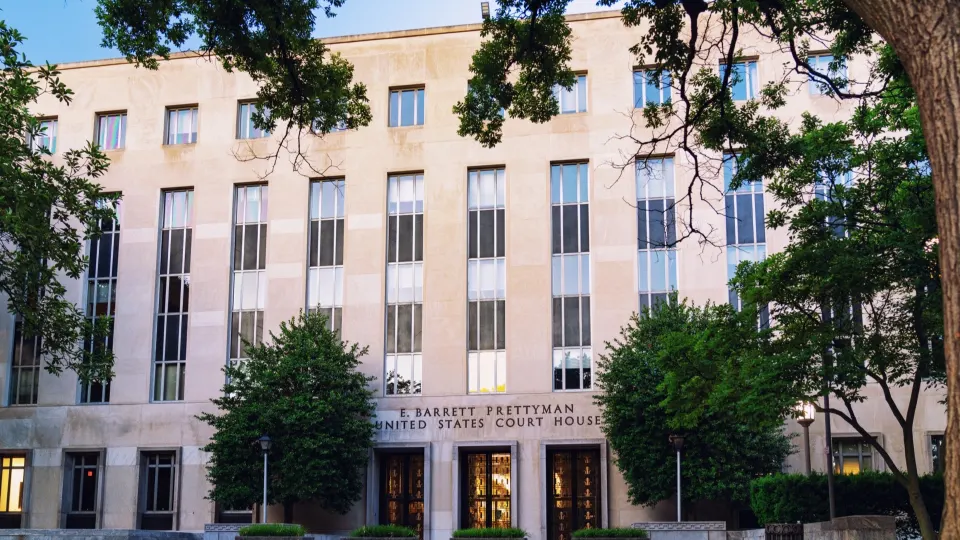
Montana judge restricts warrantless civil immigration arrests
A Montana judge required an escape-risk finding before warrantless civil immigration arrests, set a 72-hour reporting deadline and limited transfers for seven days.
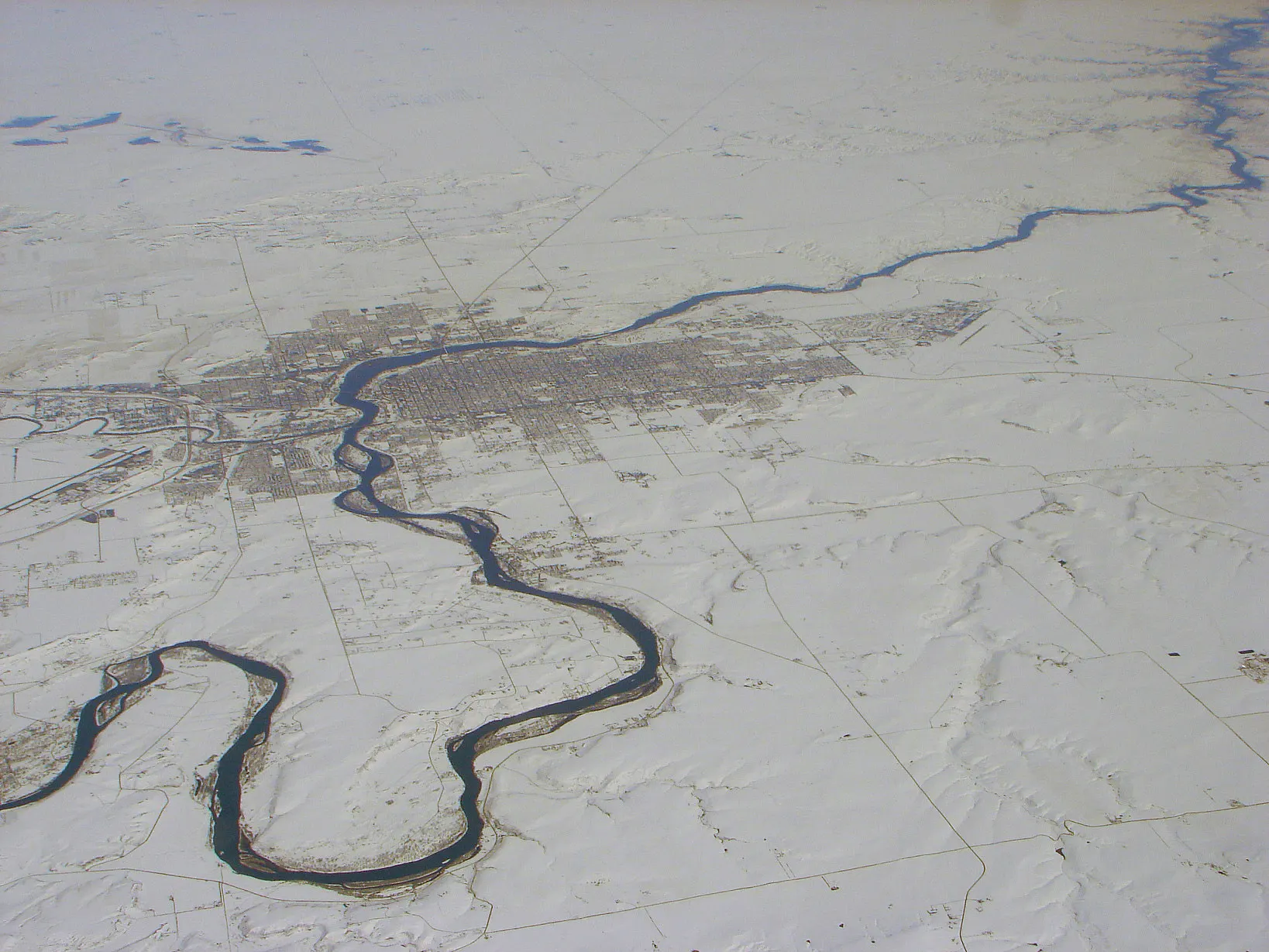
A federal judge in Montana has restricted how federal immigration officers can make warrantless civil arrests in the state. The order requires an individualized assessment of escape risk before an arrest, sends the arrest record to lawyers for the plaintiffs within 72 hours, and restricts transfers out of the district for seven days.
Chief U.S. District Judge Brian Morris issued the Nov. 25 order in Jesus Verde Hernandez and others v. Department of Homeland Security and others, case 4:26-cv-00301-BMM, in the Great Falls Division. The judge granted preliminary relief and stayed the challenged practice while the case proceeds. Its operative provisions cover warrantless civil immigration arrests in the District of Montana.
Three rules at three points in an arrest
| When | What the order requires | Who the requirement applies to |
|---|---|---|
| Before the arrest | Make an individualized probable-cause determination that the person is likely to escape before a warrant can be obtained | The arresting agent |
| Within 72 hours of a warrantless arrest | Provide the written arrest narrative and Form I-213 to the plaintiffs’ counsel | The federal defendants or their agents |
| For seven days | Keep a person subject to a covered warrantless arrest from being transferred outside the District of Montana | The federal defendants |
These requirements are cumulative. A later report lets the plaintiffs’ lawyers examine a decision that officers were required to make before arresting someone. The transfer provision preserves the court’s ability to enforce its order. The 72-hour deadline is for the government to produce records to the plaintiffs’ lawyers.
What officers have to establish first
Section 1357 of the federal immigration statute authorizes certain officers to arrest without a warrant when the statutory conditions are met. The implementing regulation addresses the circumstances for a warrantless arrest and the need to obtain a warrant when the exception does not apply. The issue the Montana order addresses is the government’s assessment that a specific person is likely to escape before an officer can obtain a warrant.
Morris concluded that the plaintiffs had shown a high likelihood of a pattern of unlawful warrantless arrests in the district. The order requires person-specific facts and directs the defendants to transmit it to personnel and contractors with related responsibilities. The government argued that the public has a substantial interest in enforcement and that short reporting deadlines would strain resources. The court recognized the interest in enforcement and gave the government 72 hours to deliver documentation, longer than the 48 hours originally sought by the plaintiffs.
How the order makes compliance visible
The arrest narrative must identify where and when the arrest happened, when the officer completed the documentation, what was known about the person’s ties to the community, and which specific facts supported the escape-risk determination. The order says boilerplate may indicate noncompliance. Form I-213, a government immigration record, has to accompany that narrative.
The value of the timestamps is that they let the parties distinguish what an officer knew when deciding to arrest from what the government learned afterward. The order makes clear that assessments made after arrest cannot stand in for what the arresting officer had to determine beforehand. It also directs the defendants to seek relief from the reporting provision if the 72-hour requirement proves impermissibly burdensome.
What the November order decides
This is preliminary relief in the Montana case. Officers can still make arrests supported by warrants and warrantless arrests that meet the governing conditions. The order’s transfer language concerns movement outside the District of Montana, and the seven-day period serves the court’s ability to enforce its ruling. The order does not direct the release of everyone covered by it or resolve the underlying claims on the merits.
For anyone following the case, the three provisions are worth tracking independently. A later change to the reporting deadline would affect how quickly lawyers see the records. A change to the transfer restriction would affect where people can be held during the covered period. Changes to either would leave the pre-arrest question to be evaluated under the operative order and the underlying federal law.
Newsmerica previously covered a separate immigration arrest at Seattle-Tacoma International Airport. The November order concerns the District of Montana and the record before the judge in the Hernandez case.
Trust & transparency
How we handled this story
The ruling and all three requirements were checked against the signed district court order filed Nov. 25, 2026, and the cited federal law.

Grounded in this reporting
Ask Newsmerica
Ask about this article. Answers quote the closest published passages and link back to their sources.
This tool retrieves article passages; it does not add outside facts.Keep exploring