Federal judge strikes HUD’s $1.3 billion homelessness grant set-aside
A federal judge struck HUD’s $1.3 billion set-aside. See the order’s separate dates for Tier 1 awards, Tier 2 resubmissions and compliance reports.
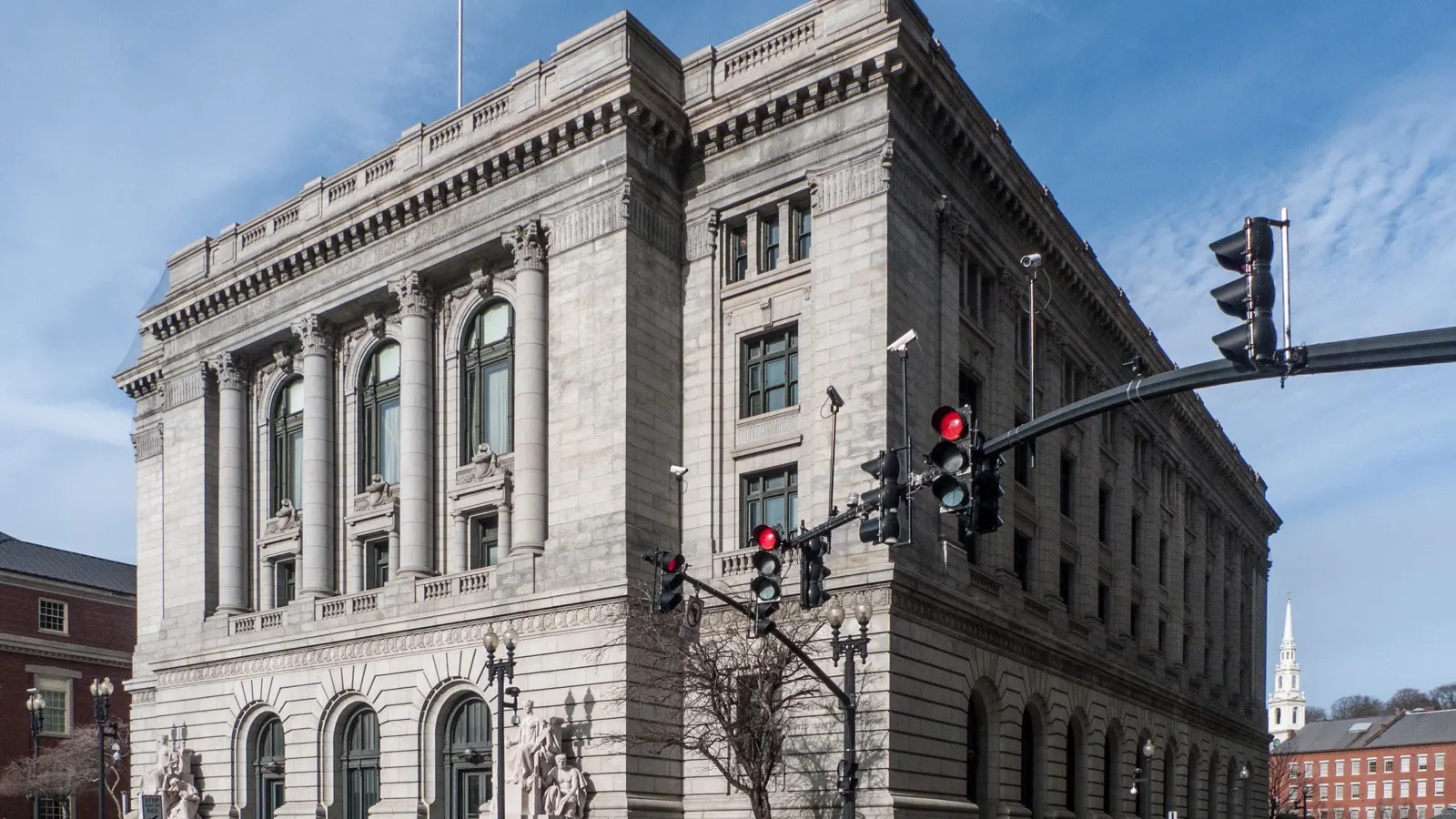
A federal judge struck down a $1.3 billion set-aside in the Trump administration’s fiscal 2026 homelessness grant competition and ordered the Department of Housing and Urban Development to reopen part of the application process. The ruling sets different deadlines for local-priority renewal awards and for projects competing nationally for the remaining funding.
U.S. District Judge Mary S. McElroy issued the Nov. 20 memorandum and order in two related cases in Rhode Island. It removes the set-aside that favored new transitional-housing and supportive-services-only projects. Those projects can still compete if they qualify under the remaining rules. The ruling directs HUD to consider eligible new and renewal projects in the second tier according to their project scores after completing the preceding steps in the award process.
Four dates in the court’s grant schedule
| Date | What the order requires |
|---|---|
| Nov. 25 | HUD and Secretary Scott Turner must file their implementation plans. |
| Dec. 1 | HUD must make Tier 1 awards. Tier 2 resubmissions can be made until 11:59 p.m. Eastern time. |
| Dec. 31 | HUD must award Tier 2 funds under the 2026 competition. |
| Jan. 8, 2027 | HUD must file a final compliance report. |
The order also allows parties to raise specific objections to the deadlines by Nov. 24. The Nov. 25 report must describe how the agency plans to process both tiers and keep the vacated provisions out of its award decisions. Grant applicants should look for instructions from HUD about how to resubmit. The report is a filing by the agency, and the court set a separate date for resubmissions.
Why Tier 1 and Tier 2 work differently
Continuums of Care are local or regional groups that coordinate housing and services for people experiencing homelessness. In this competition they send HUD a list of ranked projects. The 2026 notice set Tier 1 at 60% of each collaborative applicant’s annual renewal demand, according to the court’s account. Higher-ranked renewal projects are considered first and still go through HUD’s reviews.
Tier 2 covers remaining renewal projects and potentially new projects. These compete nationally, and project scores matter. HUD had directed about $1.3 billion in that tier to new transitional housing and supportive services-only projects. The court described the reserve as roughly one-third of the approximately $4 billion available in the wider competition. Using HUD’s announced $4.04 billion total, the set-aside was about 32% of available funding. The court’s order changes the way that portion is awarded.
The court found that the set-aside sidelined some applicants without weighing their merits under criteria Congress required. The judge concluded that the earlier rules had affected which projects local groups chose to submit and that simply removing the reserve would leave that effect in place. Reopening lets local groups revise those choices. HUD must use the latest application each group submits by the cutoff in the order.
The litigation has already produced a change in how much of the notice is affected. An August district court decision set aside the full 2026 notice over a procedural issue. The First Circuit stayed that decision in September, then vacated it and sent the case back after plaintiffs dropped their challenge based on the absence of notice and comment. Friday’s ruling addresses specific provisions on remand. The two-tier structure and the court’s new deadlines explain why providers should read the revised instructions for the existing 2026 competition.
What the ruling changes for applicants
The grant notice survives in part. In addition to the set-aside, McElroy struck down a number of other challenged provisions, and she dismissed one challenge without prejudice for lack of standing. Organizations should use the instructions HUD posts for their own projects. The ruling governs the competition and leaves individual awards to the agency under the remaining rules.
HUD had announced the funding competition in June as an overhaul. The government argued in the case that rerunning the second tier could cause gaps as existing grants begin expiring Jan. 1. The court concluded that the revised schedule would give applicants another chance to compete and put awards before those expirations begin. Reuters reported the ruling on Friday, and the public docket provides the case history.
The next checkpoints are any changes the court makes to the schedule, HUD’s implementation report, and the reopening through the agency’s Continuum of Care competition portal. Those records will show how local groups can resubmit and when grant decisions are announced. Follow related federal policy coverage in Newsmerica’s Politics section.
Trust & transparency
How we handled this story
The signed Nov. 20 order verifies the remedy, dates and procedural history. HUD verifies the announced competition amount and Reuters corroborates the decision. The order’s timetable is reported as subject to subsequent court action.

Grounded in this reporting
Ask Newsmerica
Ask about this article. Answers quote the closest published passages and link back to their sources.
This tool retrieves article passages; it does not add outside facts.Keep exploring