Bambu Lab launches $1,149 P3C 3D printer with five included tools
Bambu Lab’s P3C starts at $1,149. Compare the five-tool base package and seven-tool bundle, and see which filament steps still require manual loading.
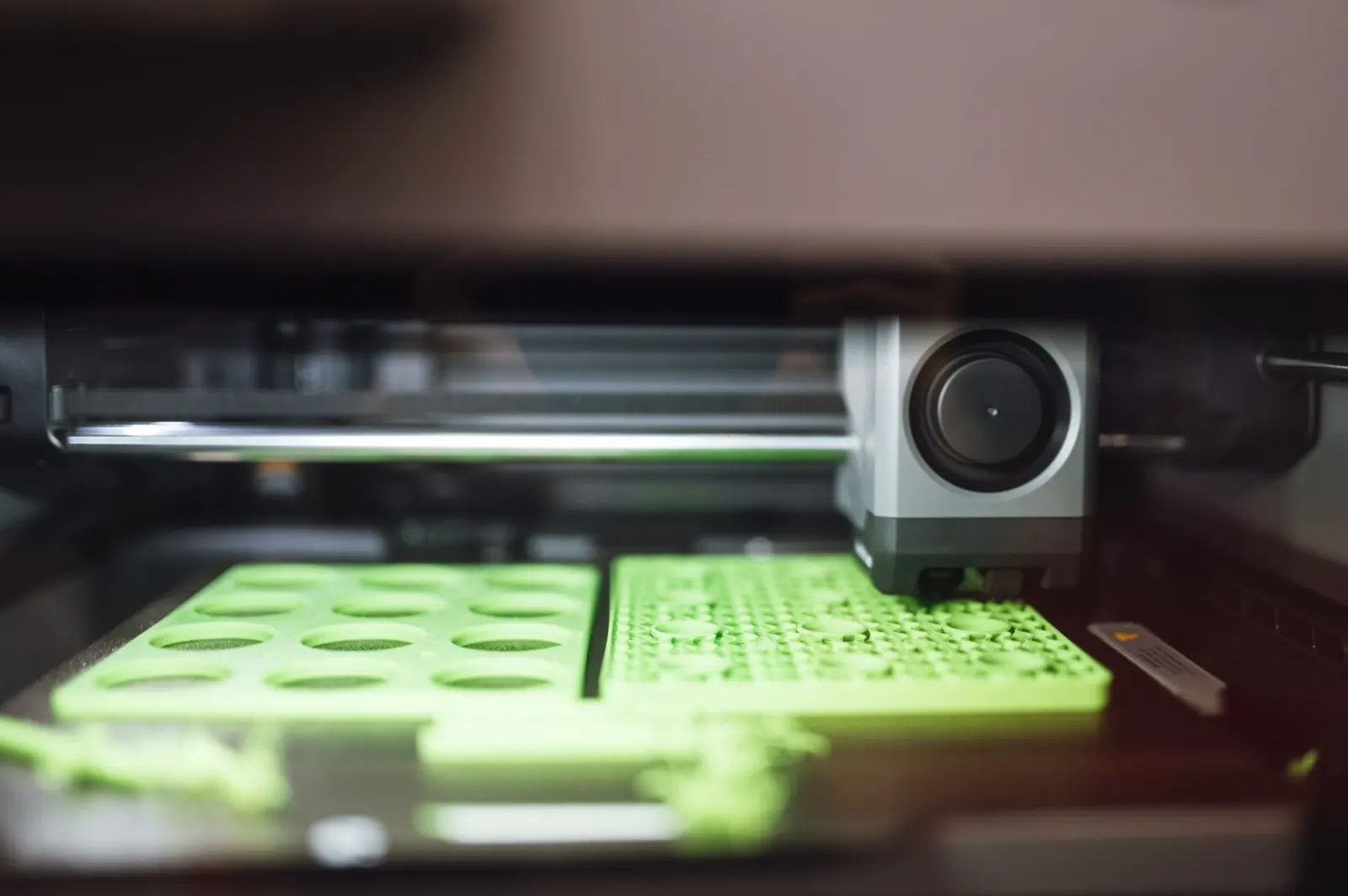
Bambu Lab introduced the P3C on Nov. 24, putting the tool-changing system from its H3C 3D printer into a smaller machine that starts at $1,149 in the United States before tax. The base package comes with five tools installed and leaves two positions available. That distinction matters if the reason you’re shopping for a new printer is to keep seven tools ready for the same job.
The manufacturer’s launch announcement gives the H3C a $2,499 price for comparison. On those list prices, the base P3C costs $1,350 less, a difference of about 54 percent. The two machines share a tool-changing approach. The packages differ in the number of tools supplied and how much filament handling the printer can do for you.
What comes in the $1,149 package
The P3C Combo includes the printer, an AMS 3P material system and five standard PrintTools with 0.4 mm nozzles. A tool is a position the printer can use to switch to a different nozzle setup or material during a print. Additional positions give owners options for a different nozzle diameter or specialty filament. They don’t automatically give the base package seven ready-to-use tools.
Bambu Lab also announced a Multi-Colorist Combo with two additional 1.75 mm PrintTools. Its launch price is $1,269. The company lists $1,299 after the introductory pricing ends around Dec. 3. Compared with the base package, those totals add $120 at the introductory price or $150 at regular pricing. The announced dollar figures exclude tax. Check the price and ship date in the manufacturer’s store before ordering.
A purchase decision can start with the project you expect to repeat. A two-material design or a print with separate support material may fit well within the base package. A project that needs a larger set of materials ready at once makes the extra tools more relevant. The official product announcement also identifies options for the two open positions, including specialty nozzles and a tool for certain non-printing craft tasks. Those are separate buying choices.
What still takes hands-on work
Tom’s Hardware’s hands-on review found that the lower-priced machine calls for more manual filament handling than the H3C. The distinction is between changing tools during a job and loading filament into the system before printing. The P3C can switch among prepared tools automatically. Buyers who expect to change spools or prepare a wide variety of materials often should check the loading steps in their intended configuration.
The company’s specifications list support for common 1.75 mm filament and support for 2.85 mm filament through the bypass feed. That second route matters for anyone who expects to print with certain soft materials. Check the supported nozzle and filament diameter for each tool before pricing a package around a project. A spare opening on its own does not establish that a desired material can feed through the same route as the standard spools.
How to compare print sizes and speeds
The P3C’s published build volume is 256 × 256 × 260 mm, or roughly 10.1 × 10.1 × 10.2 inches. Compare that rectangle with the largest part you print and any clearance required by the slicing software. A printer that can handle several materials in the same job may still require you to split a larger object into pieces.
Bambu Lab advertises a six-second tool change. The time describes one part of the process. A complete job also includes printing and any preparation or material changes the file requires. Buyers comparing the P3C with another model can use the same sample file and compare the tool changes, estimated print time and setup steps. The price gap is straightforward. The time savings depend on how often your own work needs the extra tools or a more automated filament workflow.
Trust & transparency
How we handled this story
Checked the November 24 manufacturer prices, tool counts, bypass specification and build volume against the launch record and independent hands-on coverage. No Newsmerica hands-on testing is claimed.

Grounded in this reporting
Ask Newsmerica
Ask about this article. Answers quote the closest published passages and link back to their sources.
This tool retrieves article passages; it does not add outside facts.Keep exploring