Trump floats a 200% chip tariff. What the U.S. actually charges
Trump floated a 200% chip tariff on CNBC. The published U.S. rule covers a narrower set of imports at 25%, with exemptions tied to how the chips are used.
President Donald Trump said in a Nov. 23 CNBC interview that he expects chip imports to face tariffs of 200 percent in two years. He brought up the figure while arguing that import duties would encourage production in the United States. He did not identify a list of covered goods or an effective date in the interview. Newsmerica found no published implementing action for the 200 percent rate he described.
The formal policy provides a concrete comparison. The January semiconductor proclamation applies a 25 percent duty to certain advanced computing chips and products containing them, subject to exclusions based on how the imports will be used. The tariff took effect on Jan. 15. U.S. Customs and Border Protection’s guidance explains which tariff codes importers use and how to report qualifying uses.
Why the same type of chip can be treated differently
The January rule starts by asking whether a product is among the covered advanced computing chips or their derivatives. The next question is its use. The proclamation exempts covered products imported for several purposes, including U.S. data centers, domestic research and development, startups, certain repairs and replacements, and covered non-data-center consumer uses. Importers claiming those treatments have to declare the applicable category.
The customs value also matters. On a shipment valued at $100,000, a 25 percent duty adds $25,000 if the shipment qualifies and no exemption applies. At the 200 percent figure Trump cited, the same value would yield a duty of $200,000 if the higher rate applied on the same base. That is eight times the duty, before other charges. The calculation illustrates the difference between the two rates. A retail price depends on how suppliers, manufacturers and sellers absorb or pass on costs, and the interview did not establish which products would face the higher rate.
Arizona production started before the January tariff
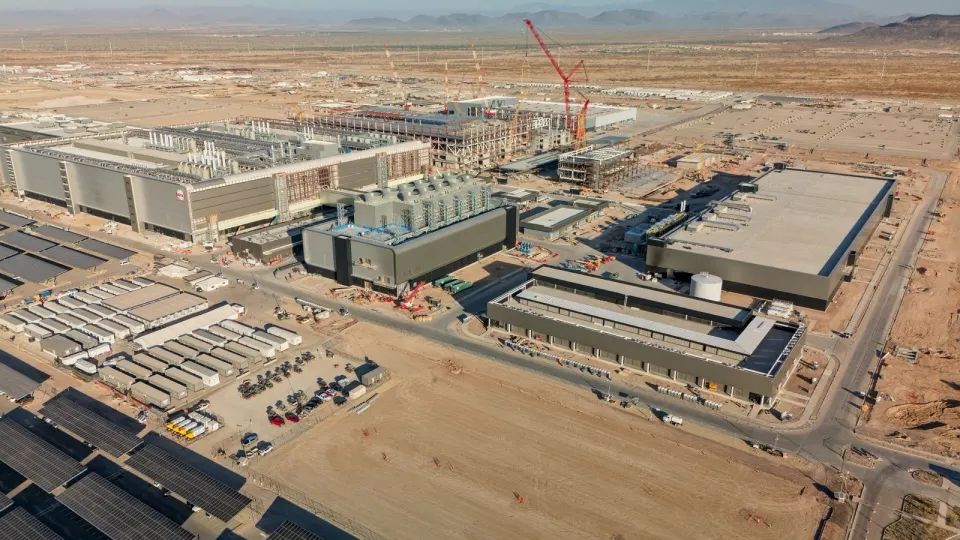
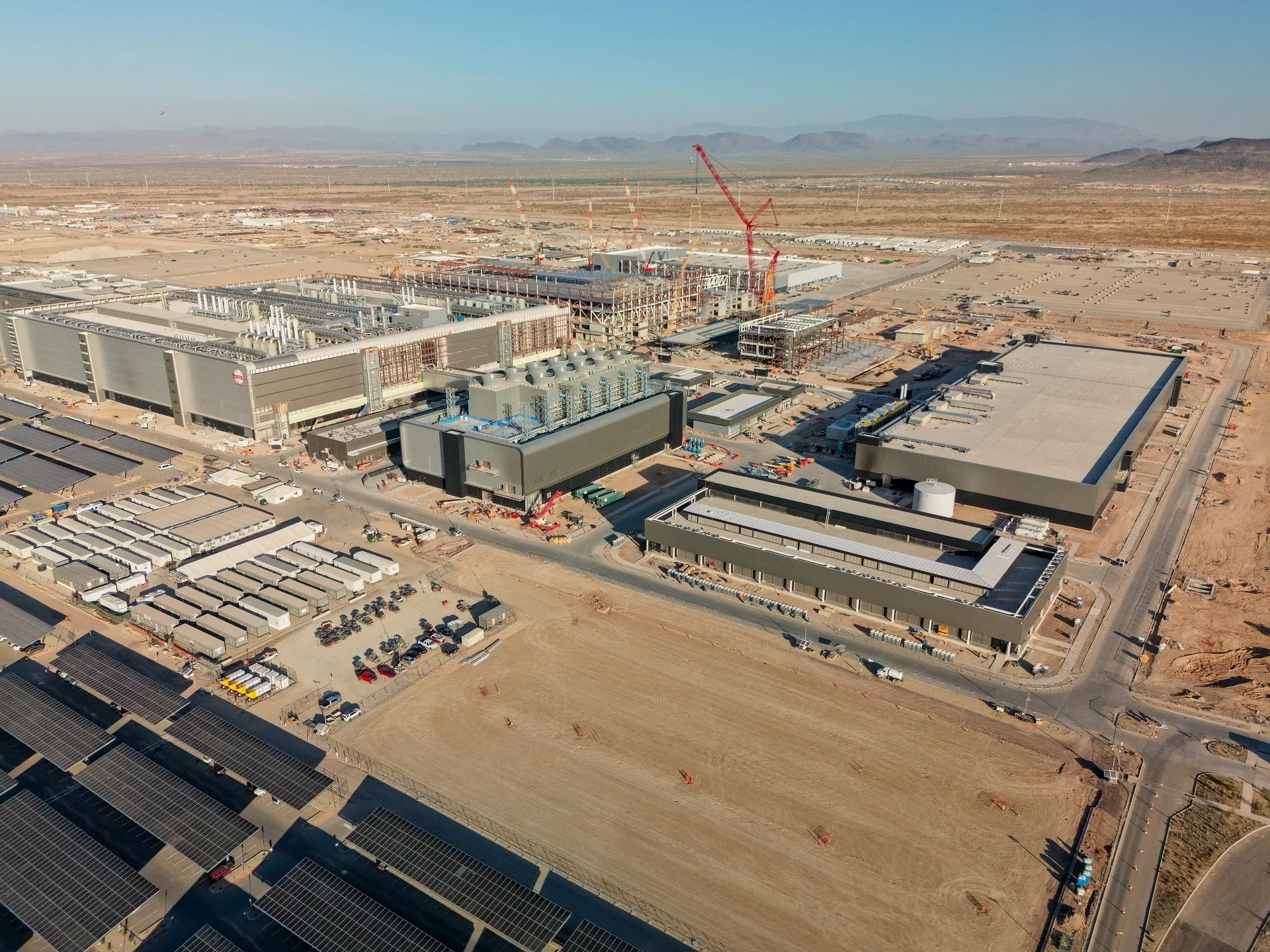
In the interview Trump singled out Taiwan Semiconductor Manufacturing Co. and credited tariffs for its U.S. expansion. TSMC’s annual report filed with the Securities and Exchange Commission puts dates on that expansion. The company established its Arizona subsidiary in November 2020, and the first factory entered high-volume production at the end of 2024. The Commerce Department announced a final CHIPS Act funding award for those facilities in November 2024. TSMC announced a further U.S. investment plan in March 2025.
Those dates give readers a way to assess the president’s claim. The first plant was already producing chips before the January 2026 tariff took effect. The timing of the first factory does not settle how tariffs might affect later investment decisions. It does show that the Arizona project also had years of planning and direct federal support behind it.
The tariff calendar has three different kinds of entries
The January duty has a proclamation number, a rate and instructions for customs declarations. A separate U.S. Trade Representative inquiry into Chinese semiconductor policy already has a scheduled change but leaves the eventual rate open. Its Federal Register notice sets an initial additional rate of zero for the listed Chinese semiconductor products and schedules an increase for June 23, 2027. The new rate is due to be announced at least 30 days beforehand. The zero in that notice applies to that specific additional duty and leaves other applicable import charges in place.
A third measure affects upstream materials. Under an August proclamation, specified polysilicon ingots and derivatives are scheduled for a tariff change starting Dec. 4, 2026, with a generally applicable additional rate of 15 percent and separate treatment for specified origins. It is a different product list from the advanced computing chips named in January. A chip designer, a data-center operator and an importer of semiconductor materials would each need to start with a different set of facts about the shipment.
For a buyer trying to budget, the practical questions are the product’s classification in the U.S. tariff schedule, its country of origin, its intended use and its entry date. Those details determine which rules to check. Trump’s two-year forecast on CNBC gives buyers no new entry date or classification.
What an actual change would look like
A formal expansion of the duty would spell out which chips or finished products are covered, when importers must start paying and which exemptions or offsets still apply. The January proclamation describes the possibility of broader future tariffs and an offset program after negotiations, but it sets no automatic increase to 200 percent.
Import tariffs and export controls can affect the same company at different points in its supply chain. Tariffs affect goods entering the United States. The separate U.S. rules for remote access to advanced AI chips address when overseas users can access computing capacity. A change to one does not change the other. The interview began with the Nvidia leadership change. Newsmerica’s coverage of Nvidia’s board decision explains why that company was at the center of the discussion.
Trust & transparency
How we handled this story
Checked the CNBC remark, the Section 232 proclamation and customs bulletin, the China-specific Section 301 notice, the polysilicon proclamation, and TSMC filings.

Grounded in this reporting
Ask Newsmerica
Ask about this article. Answers quote the closest published passages and link back to their sources.
This tool retrieves article passages; it does not add outside facts.Keep exploring