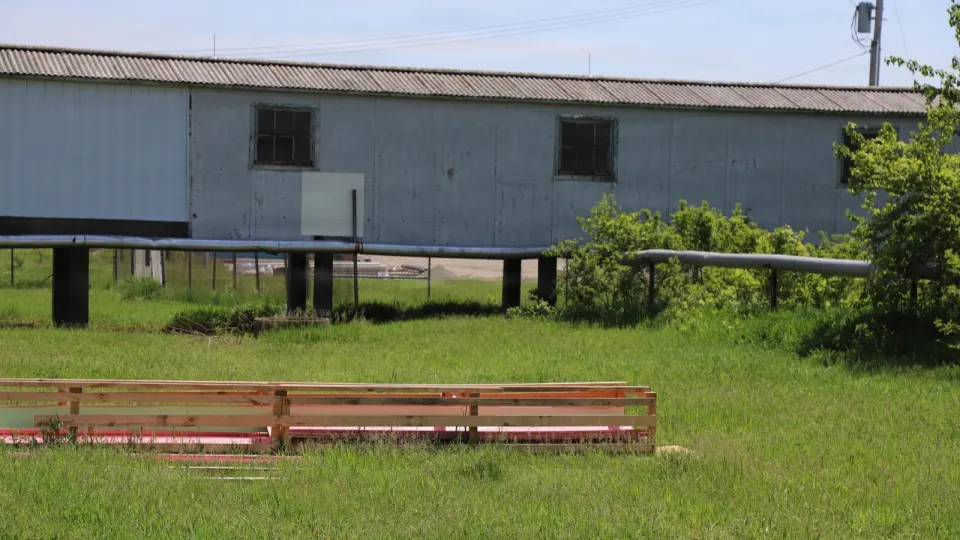
Apollo and Goldman price $44 billion in financing for SpaceX AI equipment
Apollo and Goldman priced about $44 billion in notes for SpaceX’s Nvidia hardware. See how that figure differs from SpaceX’s $40 billion lease estimate.
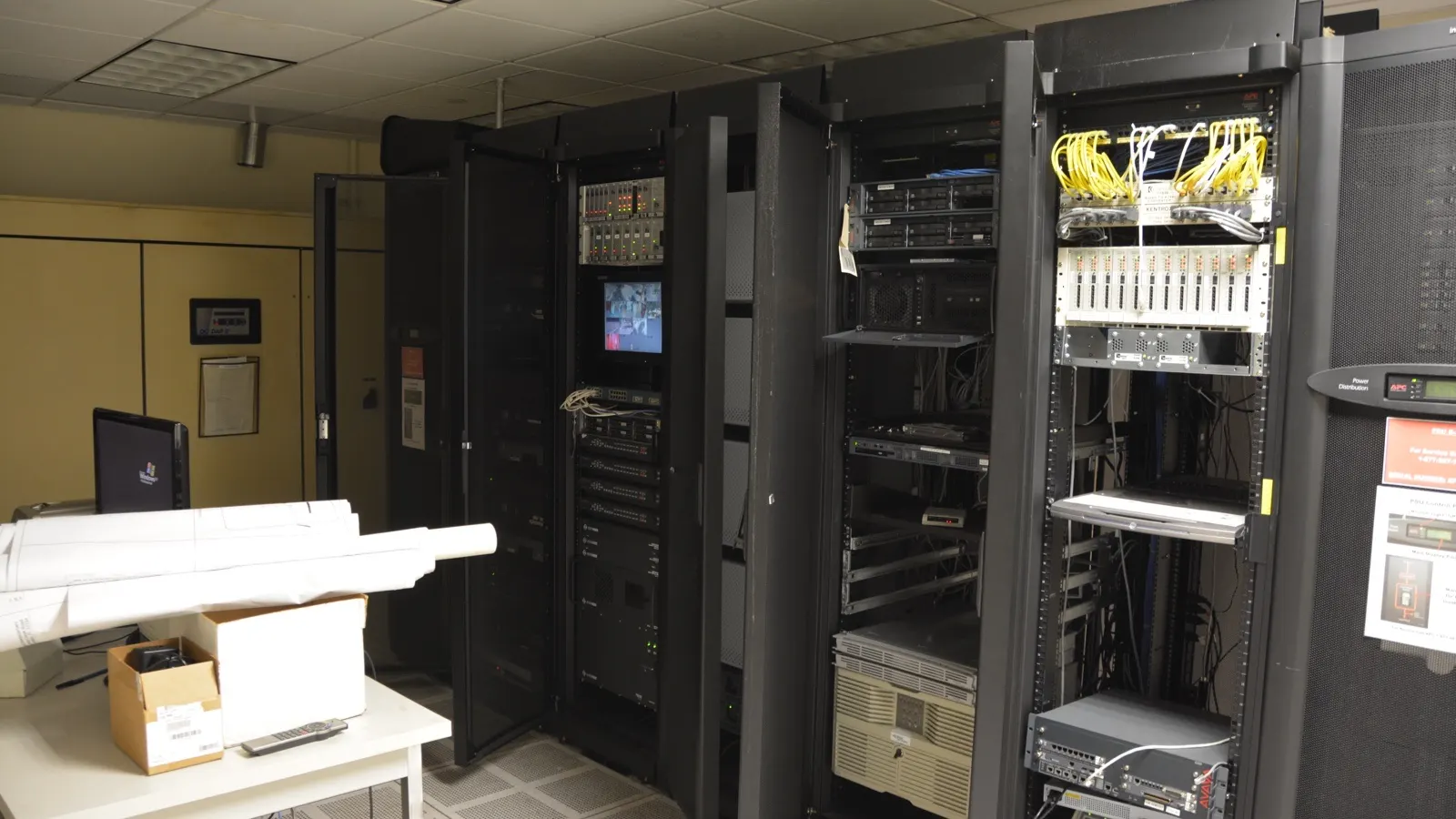
Apollo and Goldman Sachs said Nov. 20 that they priced about $44 billion of senior and subordinated notes to buy Nvidia Vera Rubin graphics processors and related equipment for SpaceX. The companies said the hardware is for SpaceX’s ground-based computing expansion and that lease schedules are expected to begin as equipment arrives in the first half of 2027.
The financing announcement follows a separate disclosure by SpaceX in October that it expected about $40 billion of principal payments under an equipment lease. Both figures refer to the same broad expansion. They describe different pieces of the financing, which matters when assessing the obligations each company has disclosed.
How the financing is supposed to work
In its October Form 8-K, SpaceX said it entered a binding commitment letter on Oct. 24 to enter into a master finance lease with an entity managed by Apollo. Under the contemplated arrangement, that entity would acquire and lease graphics processing unit pods and related hardware to SpaceX at data centers selected by the company. SpaceX estimated aggregate principal payments on the lease schedules at about $40 billion over their terms.
November’s $44 billion figure comes from the arrangers’ pricing of senior and subordinated notes. The distinction between senior and subordinated describes the order in which creditors rank under the financing terms. The announcement said investor demand led to a larger transaction and named funds and accounts managed by BlackRock, Goldman Sachs Asset Management and capital accounts advised by KKR as anchor commitments. Reuters’ coverage corroborated the announced size and stated purpose.
Subtracting the October lease principal estimate from the November note figure gives a difference of roughly $4 billion. That subtraction compares two different measures, one for anticipated principal payments and one for securities pricing. The announcements do not reconcile the amounts. The gap cannot reliably be assigned to interest, fees, new equipment or another cost using those two figures alone.
What was priced and what still has to happen
There are four milestones to track. The October commitment letter set out a proposed lease, subject to closing conditions. The November announcement reports that the notes were priced. A subsequent closing or filing can show when the final lease is in place. Delivery and the start of lease schedules would come later under the announced timeline.
SpaceX’s Oct. 26 issuer release said it expected the lease to close by year-end and said the chips would support SpaceX’s ground-based AI computing. The November arrangers’ release separately puts expected deliveries in the first half of 2027. Both describe milestones to watch. The pricing announcement gives no equipment acceptance dates and no final site-by-site deployment schedule.
Why the hardware is more than individual chips
Vera Rubin is a family of AI computing systems. In one example, Nvidia’s platform documentation describes an NVL72 rack that combines 72 Rubin GPUs and 36 Vera CPUs with networking and switching hardware. It illustrates why the financing covers related equipment as well as processors. That configuration is an example of what Nvidia offers. The arrangers’ announcement gives no overall GPU count or rack-by-rack specification.
SpaceX said the computing expansion is meant to support Grok and cloud services demand. A data center has to receive, install and connect equipment before the hardware can serve workloads. Details about physical deployment, capacity and commercial use are separate from the terms under which the hardware is financed. The companies’ releases identify the computing project as terrestrial.
What to watch in the next filing
A definitive SpaceX filing would be the place to check the signed lease, duration, payment schedules and how the company reports the obligations. Later operating disclosures would show how much equipment has actually arrived and how quickly it enters service. Keeping those questions separate helps readers track the difference between financing capacity and installed computing capability. Newsmerica’s Nvidia earnings coverage explains the supplier’s recent results and Friday’s market report gives broader context for AI stocks.
Trust & transparency
How we handled this story
Checked Apollo and Goldman’s announcement against SpaceX’s Form 8-K and issuer release, with independent Reuters corroboration. Delivery timing and closing details remain forward-looking.

Grounded in this reporting
Ask Newsmerica
Ask about this article. Answers quote the closest published passages and link back to their sources.
This tool retrieves article passages; it does not add outside facts.Keep exploring
More from Newsmerica
Related coverage
Business & Economy
COP31 ends without overarching agreement after fossil-fuel dispute
Business & Economy
TJX reports $463 million in tariff refunds and $167 million in added compensation costs

Business & Economy