NOAA’s winter outlook favors wetter conditions across parts of the South
NOAA’s Nov. 19 outlook puts the odds of a wetter winter above 70% in parts of the Southeast. Here’s how to read the map and find a local snow forecast.
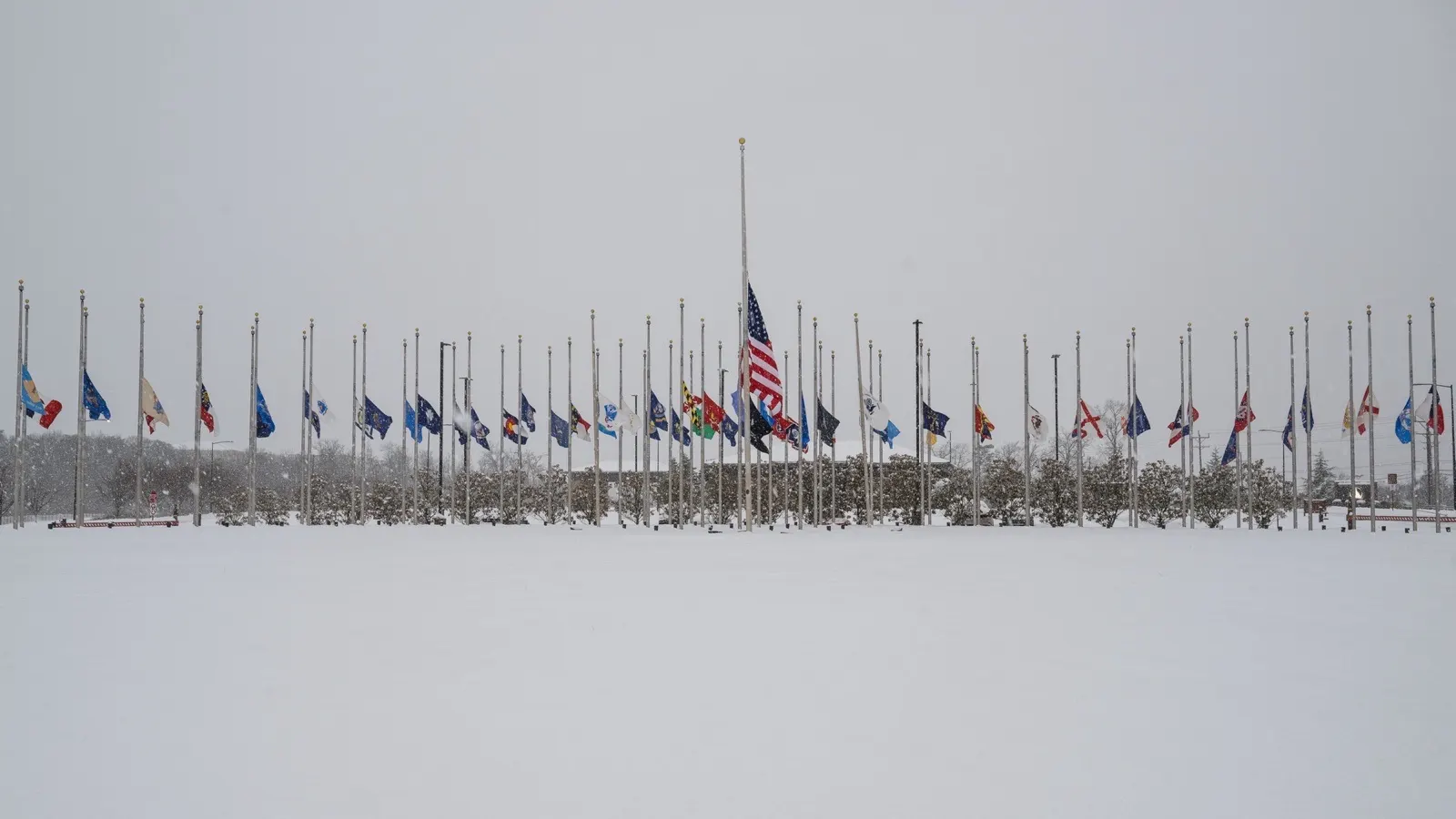
NOAA’s latest winter outlook favors a wetter season across much of the southern United States as a strong El Niño influences the forecast for December through February. The outlook also favors above-normal temperatures across much of the northern contiguous United States. In Florida and southern Georgia, the agency puts the chance of above-normal precipitation above 70%.
The Climate Prediction Center’s Nov. 19 update describes the odds for an entire season. It can help people plan for wetter conditions over the coming months. Someone looking for a snow forecast for a drive or a flight needs a different product, with a particular location and date.
What a 70% precipitation outlook means
On the CPC’s seasonal maps, the colors show how likely conditions are to fall into categories such as above, near or below normal. The forecast for a location with a greater than 70% chance of above-normal precipitation leaves less than 30% for the other two categories combined. The category is about the total amount of precipitation over December, January and February. The forecast uses a season’s total to define the category. For daily rain chances or a particular snowfall amount, consult a local forecast.
That distinction matters when comparing nearby places. For example, a reader in southern Georgia can use the regional outlook as context for a wetter-than-normal winter. A reader planning a Thursday drive needs to look up the Thursday forecast along the route, including any watches or warnings. The season can finish wetter than average even if that trip takes place on a dry day.
The stronger signal in parts of the Southeast also does not apply uniformly across the country. The forecast discussion describes a broad area of favored above-normal precipitation in the southern United States and areas where below-normal precipitation is favored farther north. Consult the map legend and find your location before applying a regional headline to your own forecast.
Why the snow question needs a separate forecast
The seasonal precipitation product measures the total water added by rain and other forms of precipitation. Whether a particular storm brings rain, snow or a mix depends on conditions at that time, including temperatures through the atmosphere. A wet signal on the winter map cannot be converted into a snowfall total for a town.
NOAA explains that its seasonal outlook does not project accumulated snowfall. The agency says that useful snow predictions generally require a much shorter lead time. The temperature map has a related limitation. A location can have an above-average winter temperature and still have cold days or cold spells.
To answer a local snow question, start with the National Weather Service point forecast. Search the city or ZIP code, then look for guidance from the relevant local office if a storm is approaching. A local forecast can be updated as the expected storm track or temperature changes. Newsmerica’s Michigan lake-effect coverage offers an example of a separate, event-specific forecast with a tighter time window.
How El Niño changes the starting odds
El Niño is associated with unusually warm Pacific waters and shifts in atmospheric circulation. In its November Southeast briefing, NOAA described a southern storm track and above-normal precipitation as a strong historical signal during El Niño. An individual storm still depends on the weather patterns in place when it develops.
Seasonal drought and precipitation maps also answer different questions. An outlook favoring a wetter winter can suggest better odds for drought improvement, while the drought assessment starts with present conditions and considers whether they are likely to improve. Readers tracking water supplies or saturated ground should check the drought outlook alongside local forecasts.
NOAA scheduled the next seasonal update for Dec. 17. Check that release for revised probabilities. For decisions about a specific weekend or storm, use the latest local forecast and note when it was issued.
Trust & transparency
How we handled this story
Checked CPC’s Nov. 19 seasonal discussion and maps against NOAA’s regional briefing. Verified seasonal scope, the probability in Florida and southern Georgia, and the Dec. 17 update date.

Grounded in this reporting
Ask Newsmerica
Ask about this article. Answers quote the closest published passages and link back to their sources.
This tool retrieves article passages; it does not add outside facts.Keep exploring