Microsoft identifies three factors behind November’s Outlook outage
Microsoft’s preliminary findings describe how an old defect, surging gateway load and reduced server capacity disrupted Outlook and other Microsoft 365 services.
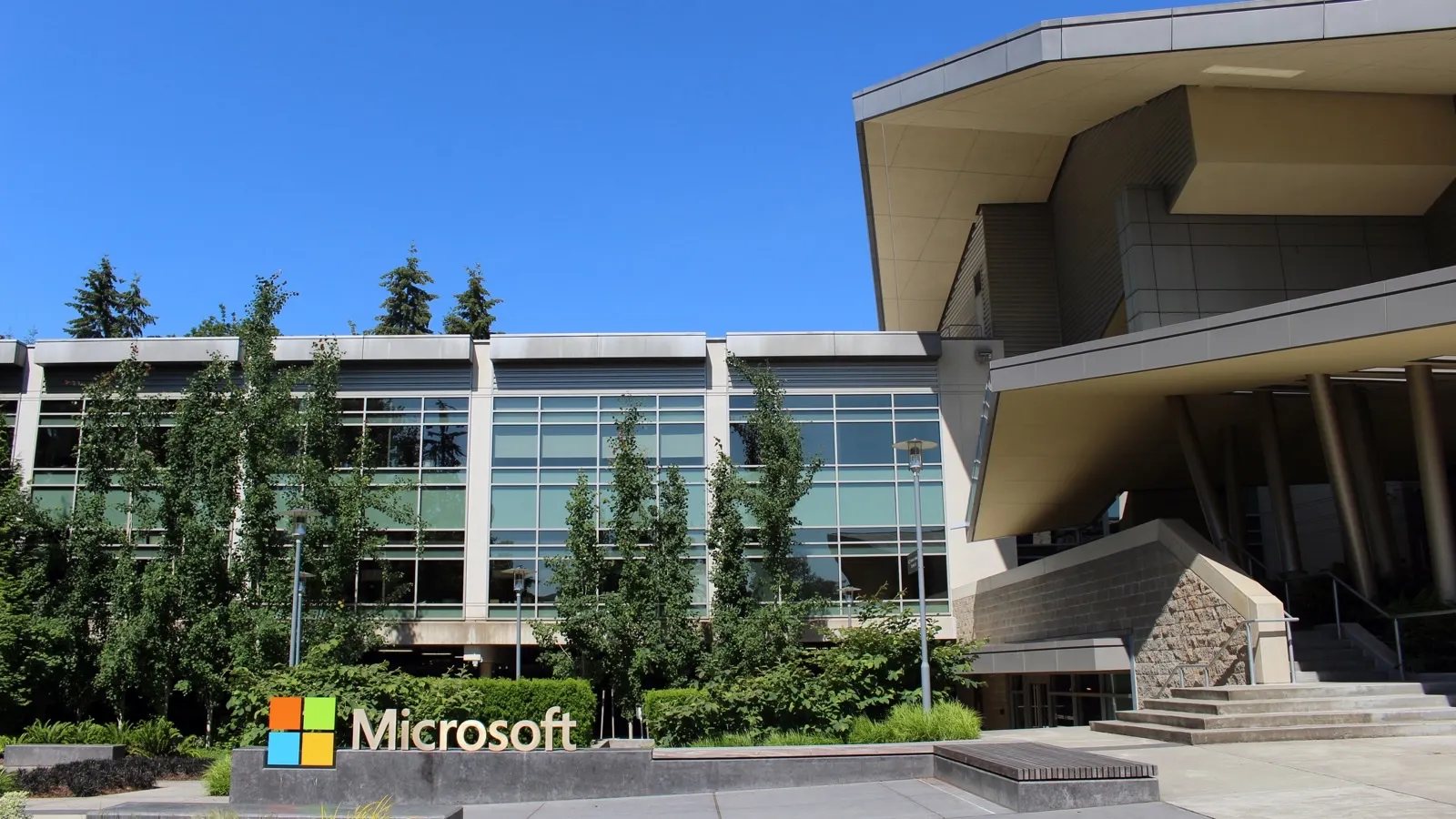
Microsoft says a defect introduced in July helped trigger the Nov. 12 outage that disrupted Outlook and parts of Microsoft 365 worldwide. In a preliminary account made public by Microsoft executive Charles Lamanna, the company described three problems that converged: the defect, a surge of work for network servers and a separate reduction in available server capacity.
Microsoft had reported by the weekend that services were restored. The new explanation, reported Monday by ABC News, gives a fuller account of how the company says the disruption spread. A final review is still due.
How the outage spread
A network gateway handles connections between users and the services they’re trying to reach. Microsoft said the July defect could leave gateway servers unresponsive under particular conditions. An automated failover shifted Teams traffic onto servers that also handled Exchange Online traffic, increasing load on that gateway. Fewer servers were available to carry the traffic because of a separate issue, according to Microsoft’s account reported by GeekWire. Together the two pressures exposed the dormant defect.
The shared gateway helps explain why Outlook mailboxes and functions in other apps could fail together. It also explains why the apps recovered at different rates. Regaining a connection to a mailbox is one milestone. Clearing mail that accumulated while connections were unreliable is another.
Where IT teams can check the next update
Administrators can follow incident EX1550543 for Exchange Online and MO1550821 for the broader disruption in the Microsoft 365 admin center. Microsoft’s public status page is available to readers who lack admin access. The final report should give more detail on the fixes Microsoft plans to make. Newsmerica’s Tech & AI desk is following the review.
Trust & transparency
How we handled this story
Reviewed Microsoft public service advisories and Lamanna’s preliminary findings as reproduced by ABC and GeekWire. The public X post returned 403 during direct access.

Grounded in this reporting
Ask Newsmerica
Ask about this article. Answers quote the closest published passages and link back to their sources.
This tool retrieves article passages; it does not add outside facts.Keep exploring