Strobe Talbott, Clinton’s deputy secretary of state, dies at 80
Trace Strobe Talbott’s career through the State Department and Brookings, and see what the 1997 NATO–Russia agreement created.
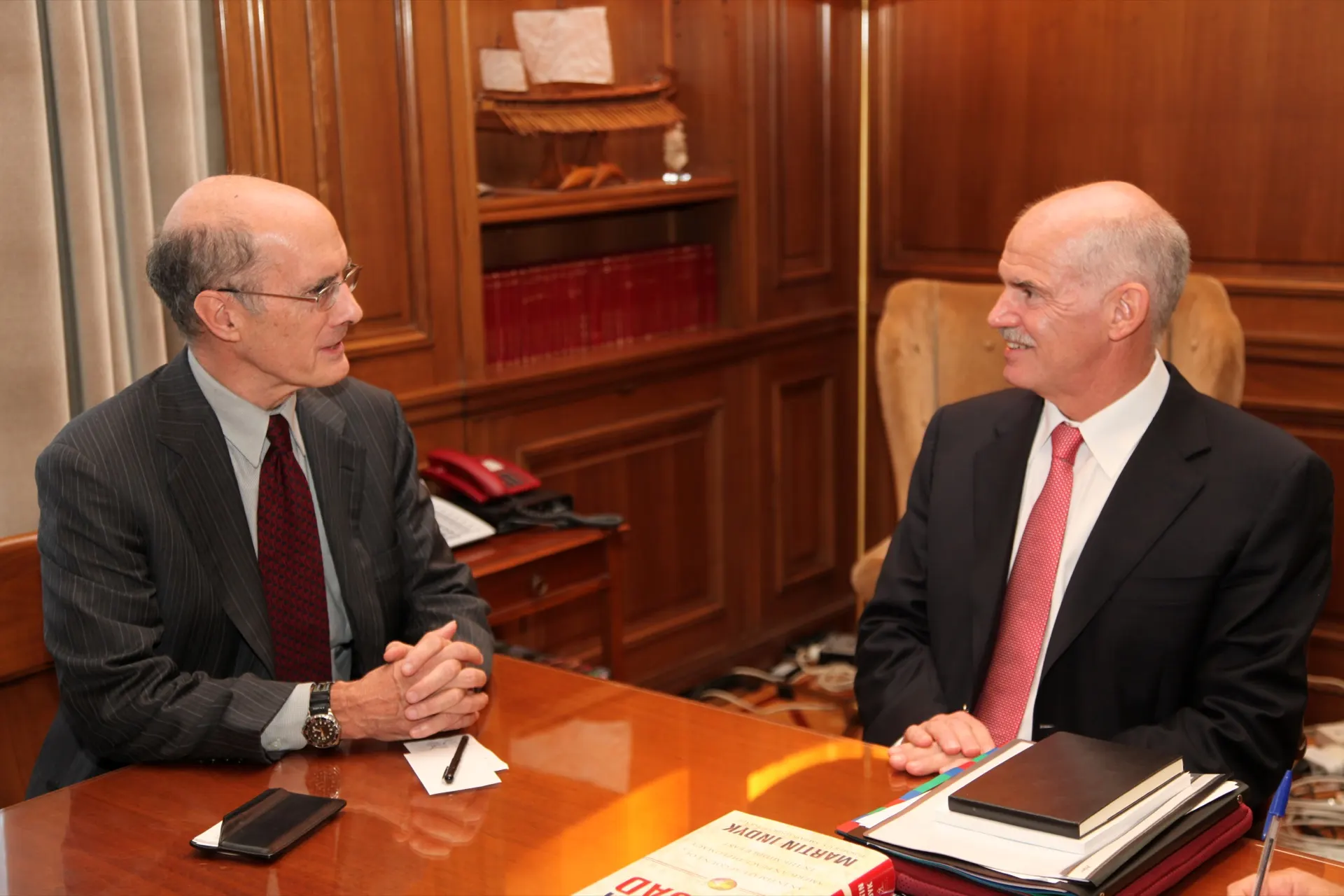
Strobe Talbott, a former Time correspondent who became Bill Clinton’s deputy secretary of state and later led the Brookings Institution, died Nov. 26 at 80, his family told the Associated Press. His career took him from reporting on Cold War diplomacy to helping manage U.S. relations with Russia and the states that emerged from the Soviet Union.
Talbott’s years at the State Department spanned a problem that outlasted the Clinton administration. The United States and its allies sought to enlarge NATO while creating a formal channel to work with Russia. A 1997 agreement spelled out how consultation could work even where the parties disagreed about the future of European security.
From correspondent to deputy secretary of state
The State Department’s archived biography traces Talbott’s Time reporting assignments through Eastern Europe, the State Department, the Ford White House and diplomatic coverage. The reporting career preceded his formal government service. The sequence helped make the move he made in 1993 unusual: he went from explaining foreign policy decisions to advising the secretary of state on some of them.
| Date | Career milestone |
|---|---|
| April 9, 1993 | Began work as ambassador-at-large and special adviser on the newly independent states. |
| Feb. 23, 1994 | Took office as deputy secretary of state after Senate confirmation. |
| Jan. 19, 2001 | Ended his service as deputy secretary. |
| July 2002 to October 2017 | Served as president of the Brookings Institution. |
The first three dates are from the Office of the Historian’s service record. The later dates come from Brookings’ Talbott biography. Appointment and entry on duty can fall on different dates. In Talbott’s case, the record lists Feb. 22, 1994, for his appointment as deputy secretary and Feb. 23 for his entry on duty.
How the 1997 NATO–Russia agreement worked
The NATO–Russia Founding Act, signed in Paris on May 27, 1997, established a Permanent Joint Council. It gave NATO and Russia a place to consult over security questions and pursue joint action when there was agreement. The text reserved each side’s ability to make decisions independently and gave neither a veto over the other.
That combination is what made it different from alliance membership. NATO and Russia could use the council to discuss an issue without Russia gaining a vote in NATO’s own decisions or becoming covered by the alliance’s collective-defense commitment. Consultation provided a mechanism for diplomacy, even where it could not produce agreement or prevent a crisis.
In a 2002 essay on NATO, Talbott described the debate over how the alliance should change after the Cold War and how its relationship with Russia fit into that debate. The essay is a retrospective by an official who took part in the era’s diplomacy. The signed act shows what the governments agreed to. Read together, they make it possible to compare the strategy its advocates described with the narrower powers the institutional arrangement actually conferred.
After government
At Brookings, Talbott moved into a different public role as the head of a Washington research institution. He continued writing about European security and U.S. foreign policy after leaving government. In a 2014 Brookings interview about Vladimir Putin and relations with the West, he revisited the subject after the political circumstances had changed.
Newsmerica’s coverage of this week’s discussions between President Donald Trump and NATO Secretary General Mark Rutte describes a different moment, with Russia’s war in Ukraine on the agenda. Talbott’s record offers context for an earlier question: how far policymakers believed dialogue and cooperation with Russia could go while each side retained its own decisions.
Trust & transparency
How we handled this story
Newsmerica checked the death report citing Talbott’s family, his State Department service record, Brookings biography and the original 1997 NATO–Russia Founding Act.

Grounded in this reporting
Ask Newsmerica
Ask about this article. Answers quote the closest published passages and link back to their sources.
This tool retrieves article passages; it does not add outside facts.Keep exploring