COP31 ends without overarching agreement after fossil-fuel dispute
COP31 closed without a broad agreement. See where the two Antalya Pact drafts, narrower decisions and the 2035 electrification target stand.
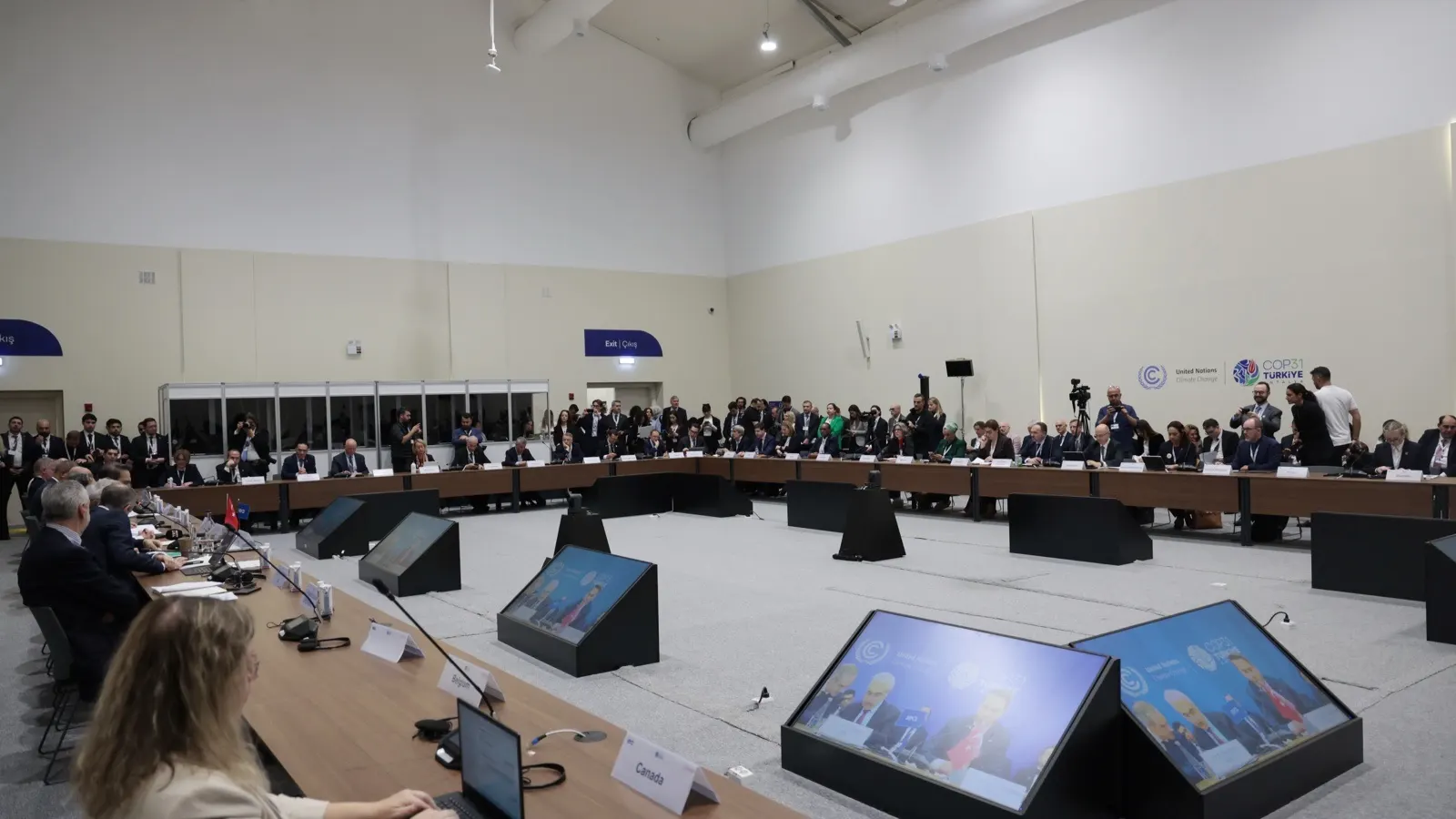
United Nations climate talks in Antalya, Türkiye, ended Sunday, Nov. 22, without an overarching agreement. The failure leaves countries without a shared statement from COP31 on some of their most contested priorities, including how to carry forward an earlier commitment to transition away from fossil fuels. It also leaves a separate push to expand the use of electricity in buildings, transport and industry in the hands of the governments, utilities and other organizations backing it.
UN climate chief Simon Stiell said in his closing remarks on Nov. 22 that parties had failed to agree on issues in both texts led by the conference presidency. He also cited decisions in individual negotiating tracks, including work on a just transition. The Associated Press reported that disagreement over fossil-fuel language stopped the overarching deal.
What the closing record says about each track
The two documents under the Antalya Pact label were presented under the UN climate convention and the Paris Agreement. Both were marked as draft decisions proposed by the presidency. Their status matters because the same conference can produce a draft political package, narrower decisions negotiated under individual agenda items, and announcements from governments or businesses outside that process.
| Track | Status at the close | What to look for next |
|---|---|---|
| Antalya Pact cover texts | The presidency put forward two drafts. Stiell reported that parties failed to reach agreement on both presidency-led decisions. | Any later proposal carrying forward the outstanding issues and its status in the next negotiation. |
| Individual agenda decisions | Stiell cited decisions on a just transition and emphasized the importance of adaptation. The adoption record and wording of each decision govern what it does. | The final text and any deadlines, assignments or funding terms it actually specifies. |
| Electrification agenda | The presidency separately promoted a target for electricity to reach 35% of global final energy use by 2035. Utilities and other organizations announced their own plans. | Who endorses the initiative and which grid, building and transport projects receive financing and get built. |
The UNFCCC posted the convention draft and the Paris Agreement draft dated Nov. 22. The difference between those drafts and the final record also matters for the language adopted at earlier meetings. At COP28 in Dubai, governments called for a transition away from fossil fuels in energy systems as part of the first global stocktake. Antalya’s lack of a new cover decision leaves that earlier Dubai decision in the record. The open question is what governments will do to implement it.
What the 35% electricity target measures
The Antalya Compact for Energy Efficient Buildings describes the 35% objective as electricity’s share of global final energy consumption. Think of the world’s end users consuming 100 comparable units of energy in 2035. At 35%, 35 of those units would be delivered and used as electricity. The rest would come from other forms of energy delivered or used directly, such as gasoline in a car, gas in a boiler or fuels in an industrial furnace.
The target tracks what people and businesses use. A different measure, the mix of fuels and technologies used to generate electricity, tells you how the electricity itself was produced. Swapping a gasoline vehicle for an electric one can lift electricity’s share of final energy demand. The effect on emissions also depends on the vehicle’s energy use and the power supplying the charger. The presidency’s compact links electrification to greater efficiency so the infrastructure needed to support the shift can be planned alongside the equipment that uses it.
What utilities announced and what they have built
The UNFCCC’s Nov. 19 electrification update offers two ways to measure follow-through. Members of the Utilities for Net Zero Alliance announced combined annual investment plans of at least $156 billion across grids, renewables and storage. The alliance also reported that its members had built more than 21,000 kilometers of grid in 2025. That is roughly 13,000 miles, converting at about 0.62 miles per kilometer. The dollar figure describes plans from an industry group. The distance refers to construction it says its members completed in the prior year.
For U.S. readers, those measures make the next steps easier to follow. Look for project approvals, committed funding and completed transmission or distribution upgrades. Those are the records that show whether more capacity is reaching customers. The U.S. Energy Information Administration’s electricity-use breakdown is a starting point for understanding which parts of the economy already use electricity. Newsmerica’s coverage of U.S. permitting and grid costs tracks one domestic debate over how added demand and infrastructure costs are handled.
The immediate place to check what countries agreed to in Antalya is the UNFCCC document archive, where the final texts and session reports can be compared with the presidency’s drafts. Investment and deployment will be visible in a different set of records as utilities and governments put their plans into effect.
Trust & transparency
How we handled this story
UNFCCC closing remarks verify the lack of consensus on both presidency-led decisions. The two dated drafts, COP28 report, COP31 presidency compact and Nov. 19 UNFCCC electrification update verify the distinct policy records. AP corroborates the fossil-fuel dispute.

Grounded in this reporting
Ask Newsmerica
Ask about this article. Answers quote the closest published passages and link back to their sources.
This tool retrieves article passages; it does not add outside facts.Keep exploring
More from Newsmerica
Related coverage

Business & Economy
TJX reports $463 million in tariff refunds and $167 million in added compensation costs

Business & Economy
October PCE inflation and revised U.S. GDP are due Nov. 25

Business & Economy