Strategy paid $1.38 billion to retire $1.50 billion of notes. What comes next
Strategy retired $1.50 billion of convertible notes for about $1.38 billion. See the next cash option and why its preferred buyback is separate.
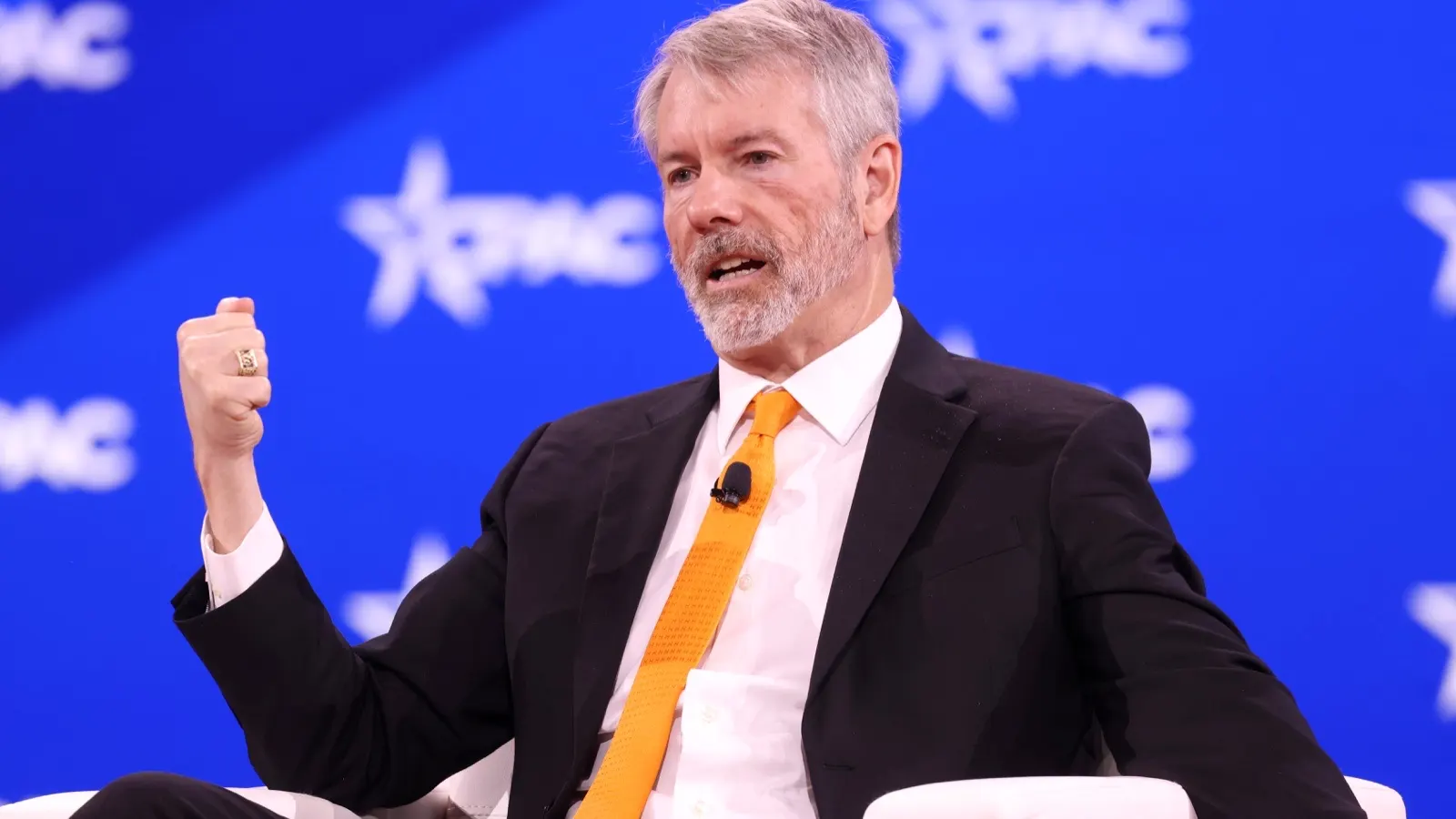
Strategy, the bitcoin treasury company formerly known as MicroStrategy, paid about $1.38 billion including transaction costs to retire $1.50 billion of 0% convertible notes in May. Its latest quarterly filing lays out what remains and shows that holders of a different series can first seek early cash repayment on Sept. 15, 2027, about a year ahead of that series’ scheduled maturity.
The structure makes Strategy a useful comparison for companies facing their own convertible-debt deadlines. A negotiated purchase can retire principal at a discount. A contractual holder option gives creditors the power to request cash on a date set in advance. Strategy’s November filing also describes a large preferred-stock buyback, a separate class of security and a separate use of funds.
How the discounted debt repurchase worked
In its September-quarter Form 10-Q, Strategy said it completed privately negotiated repurchases May 19 and canceled the notes it acquired. The $120 million difference between $1.50 billion face value and $1.38 billion cash cost works out to about 8% of face value, or about $920 paid per $1,000 retired. The calculation uses the disclosed aggregate amounts and includes the transaction costs in the reported cash cost.
The accounting gain was approximately $113.9 million. Strategy’s financial statements compare the cash cost with the carrying amount of the debt it retired, which reflects unamortized issuance costs. That explains why the reported gain differs from the $120 million face-value comparison. The notes still outstanding in the same 2029 series totaled another $1.50 billion at Sept. 30.
When holders can next ask for cash
Strategy’s filing lists six convertible series with roughly $6.71 billion in aggregate face value at Sept. 30. The first scheduled holder put is Sept. 15, 2027, on the $1.01 billion of 0.625% notes scheduled to mature in 2028. The 2029 notes have their own June 1, 2028 put. A holder put is an option for the holder, so the amount actually due under it depends on valid elections and how much of the relevant debt remains.
Several of the later options fall in the same calendar year. Using the company’s September balances, holders of four series have scheduled puts in 2028 covering about $4.90 billion of principal: $2.00 billion on March 1, $1.50 billion on June 1 and approximately $1.40 billion over two series on Sept. 15. Those dates are earlier than their respective maturities. The sum shows the scale of the scheduled options as of the filing, and it could change with repurchases, conversions or other transactions.
Strategy’s six-series convertible debt calendar
| First scheduled cash put | Note series | Principal at Sept. 30 |
|---|---|---|
| Sept. 15, 2027 | 2028 notes | $1.01 billion |
| March 1, 2028 | 2030B notes | $2.00 billion |
| June 1, 2028 | 2029 notes | $1.50 billion |
| Sept. 15, 2028 | 2030A notes | $800 million |
| Sept. 15, 2028 | 2031 notes | $603.7 million |
| June 15, 2029 | 2032 notes | $800 million |
The four 2028 options account for about 73% of the September convertible principal. The date in each row is the contractual put date detailed in Strategy’s quarterly filing. The company says eligible holders can ask for cash equal to the face value they turn in, plus any applicable accrued and unpaid interest. They can exercise for only part of a position.
The distribution of interest is different from the distribution of principal. The 2032 series carries a 2.25% stated coupon, or $18 million a year on its September balance. Applying the coupons to the four interest-bearing series gives about $34.6 million a year in regular interest at those balances. Over half of that amount comes from the 2032 series. The estimate excludes financing fees, accounting amortization and interest that might arise under special contract provisions.
Balances can change before these dates. The same filing says all of an older $1.05 billion series originally due in 2027 was redeemed or converted into common shares in the first quarter of 2025. A future filing should show whether any of the current series follows a similar path.
Why November’s preferred buyback is separate
Strategy’s Nov. 16 Form 8-K reported $228.1 million of repurchases of its Stretch preferred shares, known as STRC, for Nov. 9–15. The company attributed $206.3 million to proceeds from common-stock sales and $21.8 million to interest earned on cash and short-term investments. Those figures add up to the disclosed preferred buyback cost. The preferred buyback retired equity. The convertible-note balances are reported separately.
The same report lists a $4.75 billion USD Reserve and a separate $151.2 million USD Cash balance at Nov. 15. The company describes the reserve as intended to help pay preferred dividends and interest on debt. Readers comparing those balances with the put calendar should keep their dates, purpose and reporting definitions in view.
The next filing can reveal whether Strategy retires more notes before the scheduled put dates or uses another funding source for any future transactions. Newsmerica’s Trump Media debt coverage explains a nearer-term example in which the issuer bought back a portion of its convertible notes at a discount ahead of a holder cash option.
Trust & transparency
How we handled this story
Strategy’s quarterly report establishes each dated balance, coupon and put date as well as the May repurchase. The November Form 8-K establishes the separate preferred buyback. Scenario sums and stated interest use September balances.

Grounded in this reporting
Ask Newsmerica
Ask about this article. Answers quote the closest published passages and link back to their sources.
This tool retrieves article passages; it does not add outside facts.Keep exploring
More from Newsmerica
Related coverage
Business & Economy
COP31 ends without overarching agreement after fossil-fuel dispute
Business & Economy
TJX reports $463 million in tariff refunds and $167 million in added compensation costs

Business & Economy