Trump touts U.S. role as FIFA names four 2031 Women’s World Cup hosts
The U.S., Mexico, Costa Rica and Jamaica will co-host the 2031 Women’s World Cup. Here’s what FIFA confirmed and what U.S. candidate cities are waiting for.
President Donald Trump celebrated the United States’ role in the 2031 FIFA Women’s World Cup in a Nov. 24 Truth Social post, also available in a text archive. FIFA had awarded the tournament the previous day. Its decision named four co-hosts: the United States, Mexico, Costa Rica and Jamaica. Trump’s statement focused on the U.S. and predicted economic benefits from the event.
That award settles the question of which countries will share the tournament. An important question for American fans and cities remains open. FIFA’s Nov. 23 decision did not assign the individual matches or announce which U.S. cities would host them. U.S. Soccer said more about cities, stadiums, match schedules and ticketing would be announced in the coming months and years.
How the U.S. became one of four hosts
FIFA’s member associations appointed the four countries by acclamation at an extraordinary congress on Nov. 23. The governing body had released its bid evaluation on Nov. 11. It found that the joint bid from the four national soccer federations met the minimum hosting requirements. That evaluation was followed by the formal appointment of the four countries.
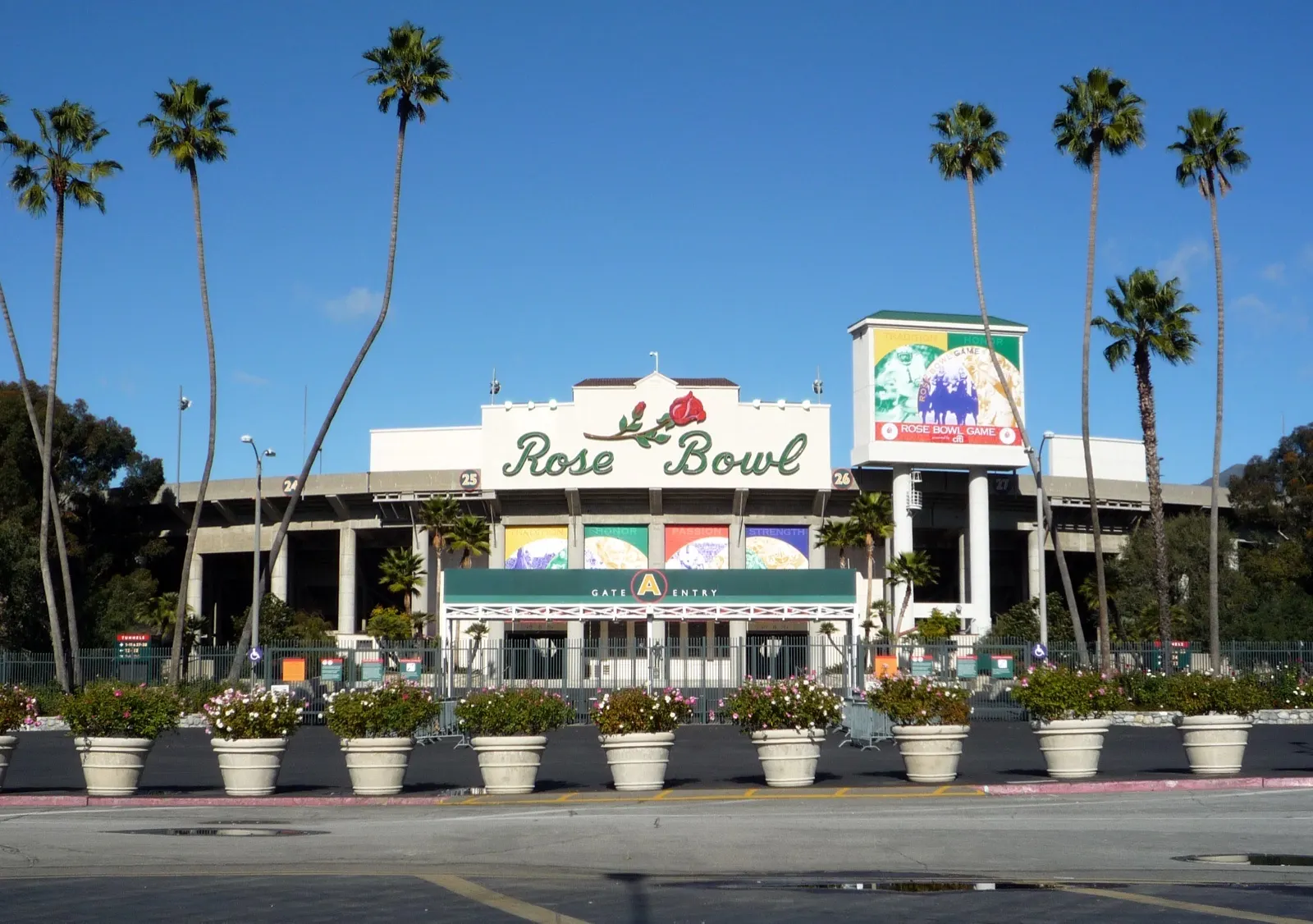
U.S. Soccer calls 2031 the country’s third turn hosting the senior Women’s World Cup, after 1999 and 2003. The earlier U.S. editions were played in one country. In 1999, the U.S. beat China on penalties at the Rose Bowl before 90,125 spectators, according to U.S. Soccer’s event history. The 2031 award gives all four partners a role. It will be the first time that Mexico, Costa Rica and Jamaica host the senior women’s tournament.
How much bigger the tournament will be
FIFA’s historical record lists 32 teams and 64 matches in 2023. U.S. Soccer says 2031 will have 48 teams and 104 matches. Using 2023 as the baseline, the tournament adds 16 teams, a 50% increase, and 40 matches, a 62.5% increase. The comparison also works against Brazil 2027. FIFA’s 2027 match schedule lists 64 matches in eight cities, and its tournament page lists 32 entrants.
| Measure | 2023 | 2031 | Change |
|---|---|---|---|
| Teams | 32 | 48 | +16 (+50%) |
| Matches | 64 | 104 | +40 (+62.5%) |
| Host countries | 2 | 4 | +2 |
Forty extra matches means more dates for venues, transport and security across the four countries. The match count alone cannot tell any one U.S. city how many visitors it may have or what it will spend. A city’s schedule, stadium capacity and public obligations matter more for that calculation.
The Brazil schedule provides a concrete example of what fans can learn once FIFA releases fixtures. It gives the date and stadium for every match, including the opening game at the Maracanã in Rio de Janeiro and Brazil’s next group game in São Paulo. Those details reveal where trips between venues would be necessary. FIFA’s 2031 country announcement establishes the tournament’s geographic scope. A fixture list will tell readers which of those trips they might actually need to make.
Why the bid lists 20 stadiums and the budget uses 14
The FIFA bid evaluation uses 20 stadiums as a representative sample. It lists 14 in the United States, four in Mexico and one each in Costa Rica and Jamaica. Beyond that sample, the bid identifies more than 30 candidate cities and more than 45 stadiums for possible consideration. The sample allowed FIFA to test whether the wider bid could meet its requirements.
A separate part of the same report uses 14 stadiums across the tournament to estimate stadium costs, distributing matches evenly for that calculation. The repeated number can be misleading. Fourteen U.S. stadiums in the assessment sample and 14 stadiums in the tournament-wide cost model describe two different things. The final venue list will determine how many of those candidates actually host a match.
What Kansas City’s bid shows about the next decisions
The Kansas City Sports Commission described Kansas City as a candidate after the award. A city legislative file reviewed in July proposed authority for a host-city agreement and called for certain services to be included in future budgets. The proposed budget instructions point to fiscal years 2028–29 and 2029–30. The file outlines services a host might have to arrange, including police, fire, traffic, emergency medical services, sanitation and transportation.
The Kansas City commission said Arrowhead Stadium was part of that evaluation sample. Kansas City officials also listed CPKC Stadium and Sporting Park among the competition and training venues they would put forward for consideration. A venue proposed for training serves a different purpose from a stadium assigned a match. The selection process can also affect whether a city plans a fan festival, an event the council file treats as a possibility.
For taxpayers, a host agreement and approved budgets will provide a clearer record of the city’s exposure. For businesses, a fixture list can show which dates are likely to bring visitors. Spending by fans and the costs of serving them are separate quantities. The documents released so far do not establish a net return for Kansas City.
Trump’s economic forecast is a prediction. To assess the local effect, look for the venue list first, then the number and dates of matches in each city and what its actual agreements require. Fans can use the same sequence to plan a trip. A stadium in a bid document is a candidate; dates and tickets need a final schedule and an official sales announcement. Follow Newsmerica’s U.S. desk for updates on host cities.
Trust & transparency
How we handled this story
Newsmerica checked the Nov. 24 post against FIFA’s Congress record, the bid evaluation, U.S. Soccer’s format announcement, Brazil’s 2027 fixtures and Kansas City’s local planning records.

Grounded in this reporting
Ask Newsmerica
Ask about this article. Answers quote the closest published passages and link back to their sources.
This tool retrieves article passages; it does not add outside facts.Keep exploring